

The Ministry of Public Security is organizing a consultation for the Draft National Technical Regulation on IP Surveillance Camera Equipment – Basic Cybersecurity Requirements, aimed at finalizing the information safety regulatory framework for network-connected camera devices. The consultation period lasts 30 days, from October 22, 2025, to November 22, 2025. Agencies, organizations, and individuals can view details and submit comments directly on the Ministry’s electronic information system.
QCVN 135:2024/BTTTT on basic information security requirements for Internet Protocol surveillance cameras was issued by the Ministry of Information and Communications (now managed by the Ministry of Science and Technology) on December 31, 2024.
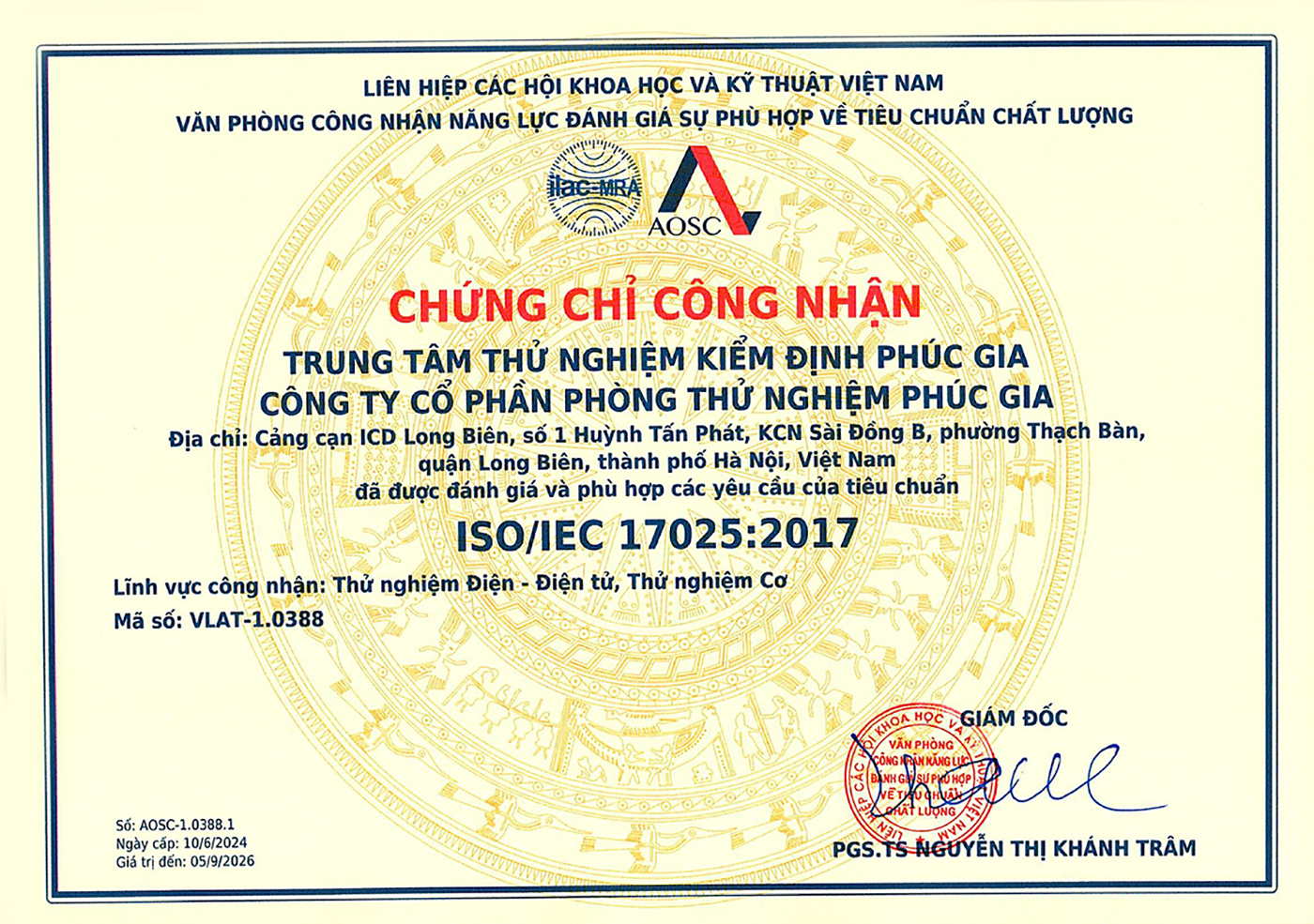
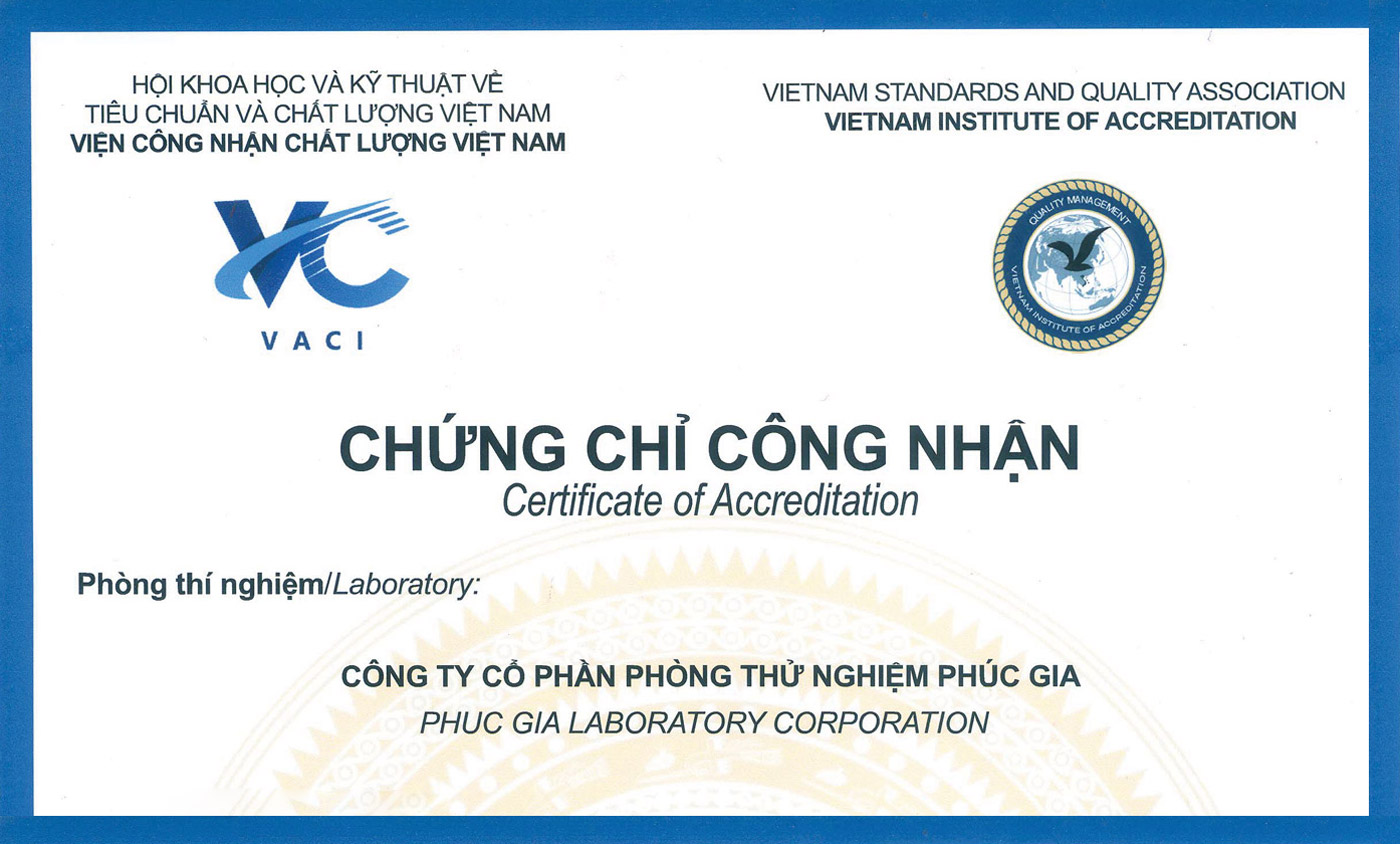
See more: Capacity Profile Of Phuc Gia Laboratory Corporation
In the rapidly advancing digital landscape of 2026, the National Technical Regulation on IP Surveillance Camera Equipment has officially transitioned from a draft to a mandatory enforcement phase. This National Technical Regulation on IP Surveillance Camera Equipment, officially designated as QCVN 135:2024/BTTTT, was issued by the Ministry of Information and Communications (MIC) to address urgent cybersecurity vulnerabilities in networked security hardware. Under the National Technical Regulation on IP Surveillance Camera Equipment, all cameras imported or manufactured in Vietnam must meet 11 critical security groups, including unique password initialization and encrypted data transmission. Navigating the National Technical Regulation on IP Surveillance Camera Equipment is now essential for obtaining the mandatory ICT Type Approval required for legal market entry.
I. Overview of the Draft National Technical Regulation on IP Surveillance Camera Equipment
1. Scope and Subjects of Application
The Draft Regulation specifies basic technical cybersecurity requirements for Internet Protocol surveillance camera equipment (IP cameras). These are digital devices capable of connecting to the Internet, performing partial or full surveillance, recording, and transmitting images over a network.
This regulation applies to Vietnamese and foreign organizations and individuals engaged in production, business (including import), and operation of Internet Protocol camera equipment within the territory of Vietnam. Relevant organizations and individuals are responsible for performing certification and conformity announcement for equipment within the scope of regulation, while complying with inspection and supervision by state management agencies according to current regulations.
2. Technical Regulations
The technical requirements presented in Section 2 of the Draft National Technical Regulation on IP Surveillance Camera Equipment – Basic Cybersecurity Requirements, focus on the following 11 groups:
- Unique Password Initialization: Each device must have its own password or allow the user to set one, with a secure authentication mechanism to prevent brute-force attacks.
- Vulnerability Management: Manufacturers need to publish a vulnerability handling policy, providing contact information and response times.
- Update Management: Devices must have a secure update mechanism that authenticates and ensures the integrity of the update, while also announcing the warranty support period.
- Secure Storage of Sensitive Security Parameters: Ensure the storage and protection of identifiers and security information, avoiding hard-coding in the source code.
- Secure Communication Channels: Use secure cryptography to establish connection channels, authenticate entities, and protect security parameters when transmitted over the network.
- Prevention of Attacks via Device Interfaces: Disable unused interfaces and restrict information disclosure before authentication.
- Protection of User Data: Personal data must be encrypted, and users must be fully informed about sensor functions and data control rights.
- Ability to Self-Recover to Normal Operation after Incidents: Devices need the ability to operate normally after network or power outages.
- Deletion of Data on Camera Devices: Provide a function that allows users to delete personal data.
- Validation of Input Data: Ensure the software checks data from users and network interfaces.
- Data Protection on Camera Devices: Clearly specify the manufacturer’s responsibility in collecting, processing, and storing data, and allow users to set up data storage within Vietnam.
3. Methods for Conformity Assessment
According to Section 4 of the Draft National Technical Regulation on IP Surveillance Camera Equipment – Basic Cybersecurity Requirements, surveillance camera equipment using Internet Protocol within the scope of the regulation must be certified and undergo conformity announcement before being circulated on the market. Conformity assessment is performed according to three methods:
- Method 1: Type testing of typical samples (for products with an ISO 9001 quality management system or equivalent).
- Method 5: Type testing of typical samples and assessment of the production process; supervision through testing of samples taken at the production site or on the market combined with an assessment of the production process (applicable to products without an ISO 9001 certificate or equivalent but having a production and quality monitoring process).
- Method 7: Testing and assessment of batches of products and goods (applicable to products where Method 1 or 5 cannot be applied).
Measuring equipment and testing facilities are required to comply with legal regulations on measurement. Relevant organizations and individuals are responsible for performing certification and conformity announcement, and for complying with the inspection and supervision according to the regulations of the Ministry of Public Security.
4. Responsibilities of Organizations and Individuals
According to the Draft National Technical Regulation on IP Surveillance Camera Equipment – Basic Cybersecurity Requirements, the Department of Cybersecurity and High-Tech Crime Prevention and Control, along with the Police Departments of provinces and centrally-run cities, will be responsible for guiding, implementing, and managing the application of the regulation for Internet-connected surveillance camera equipment.
In case the relevant regulations are amended or replaced, implementation will be based on the new documents. During the application process, if organizations or individuals encounter difficulties, they may submit written comments to the Ministry of Public Security (Department of Legal Affairs and Administrative, Judicial Reform) for guidance and resolution.
II. Full Text of the Draft National Technical Regulation on IP Surveillance Camera Equipment
The market for Internet-connected camera equipment is growing strongly both domestically and internationally. It is predicted that by 2030, there will be more than 75 billion IoT devices connected, of which approximately 1 billion will be surveillance cameras. In Vietnam, the demand for camera installations in households, businesses, and smart cities is increasing. However, cybersecurity risks remain present as many devices are not properly secured.
Recently, several incidents of image leaks from home cameras have sounded the alarm on the necessity of establishing technical requirements for information safety. The Ministry of Public Security’s development and issuance of the Draft National Technical Regulation on IP Surveillance Camera Equipment aimed at protecting consumers and personal data, while creating a transparent legal corridor for manufacturers, importers, and distributors of camera equipment, contributing to a safe and sustainable market.
The new draft is also expected to encourage domestic technology enterprises to develop products that meet cybersecurity standards, enhancing competitiveness against imported goods while contributing to the protection of national cyberspace sovereignty. According to the Ministry of Public Security, the full text of the draft has been posted publicly on the Ministry’s portal; agencies, organizations, and individuals can view details and submit comments directly before November 22, 2025.
With the goal of widely sharing and updating the latest policies of the Government and Ministries related to the import-export of Electrical – Electronic products, Phuc Gia® respectfully sends this to relevant agencies, organizations, and individuals—especially Partners/Clients of Phuc Gia who are complying with Government and Ministry of Public Security regulations—to inform and contribute ideas so that these draft documents can be finalized with the highest feasibility.
Phuc Gia® respectfully sends the information on the Draft National Technical Regulation on IP Surveillance Camera Equipment, currently under public consultation by the Ministry of Public Security, as follows:
Please wait a moment to load the Draft National Technical Regulation on IP Surveillance Camera Equipment – Basic Cybersecurity Requirements
In conclusion, the enforcement of the National Technical Regulation on IP Surveillance Camera Equipment is a landmark development in Vietnam’s digital safety landscape. By establishing mandatory benchmarks through QCVN 135:2024/BTTTT, the National Technical Regulation on IP Surveillance Camera Equipment ensures that every device, whether imported or locally made, is hardened against cyber threats. Adhering to the National Technical Regulation on IP Surveillance Camera Equipment is no longer optional; as of January 1, 2026, compliance is a strict prerequisite for market entry.
Ultimately, the National Technical Regulation on IP Surveillance Camera Equipment protects national security and user privacy by eliminating default passwords and requiring encrypted data channels. Successfully navigating the National Technical Regulation on IP Surveillance Camera Equipment allows manufacturers to obtain the necessary ICT Type Approval, facilitating smooth Customs Clearance. By prioritizing the National Technical Regulation on IP Surveillance Camera Equipment, businesses not only fulfill their legal obligations under the Ministry of Information and Communications (MIC) but also demonstrate a commitment to providing secure, high-quality surveillance solutions in the Vietnamese market.
RELATED POSTS
- Decision No. 724/QĐ-BTTTT Issuing the Set of Criteria on Basic Network Information Security Requirements for Surveillance Cameras
- QCVN 135:2024/BTTTT on Basic Information Security Requirements for Internet Protocol Surveillance Cameras
- The Impact of QCVN 135:2024/BTTTT on the IP Camera Market
- Ensuring Network Information Security for Surveillance Camera Systems
For more details, please contact us at:
PHUC GIA LABORATORY CORPORATION
PHUC GIA CERTIFICATION CENTER
PHUC GIA INSPECTION TESTING CENTER
Address:
- Hanoi: ICD Long Bien, No. 01 Huynh Tan Phat, Sai Dong B Industrial Park, Long Bien Ward
- Ho Chi Minh City: No. 180, D2 Street, Long Truong Ward
Hotline: 0965996696 / 0982996696 / 02477796696
E-mail: lab@phucgia.com.vn/cert@phucgia.com.vn/info@phucgia.com.vn
Website: phucgia.com.vn
Working time: Monday to Friday 8:00 – 18:30; Saturday 8:00 – 12:00

![QUOTATION – Testing and Other Certification Services [2026]](https://phucgia.com.vn/wp-content/uploads/2017/03/bao-gia-thu-nghiem-chung-nhan.png)