


Electric vehicles are here, an undeniable reality for protecting our green living environment. Before we can dive a bit deeper into electric vehicles and the Lithium Battery Technology that powers them, we must first understand some key terms and the fundamental concepts behind them. Have you ever read or heard about electric cars and asked yourself, “What does all of this truly mean?” Join Phuc Gia Laboratory Corporation as we explore them in the article below.
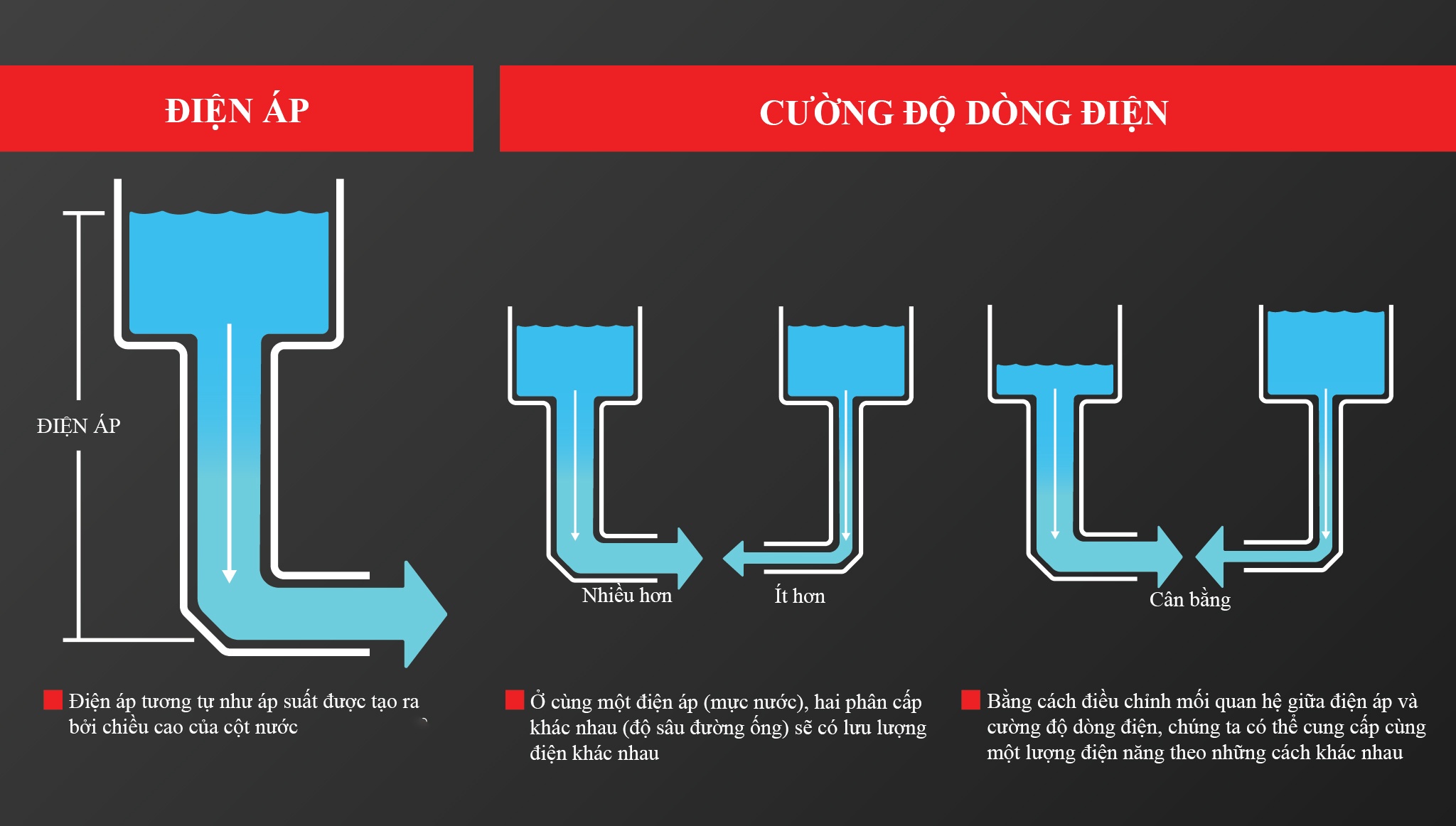
Volt: Think of a volt as a measurement of electrical “pressure,” much like the pressure you find in a typical garden hose. For a specific hose diameter, increasing the pressure moves more water. (In this analogy, water represents power.)
Ampere: Continuing the garden hose analogy, think of an ampere (or amp) as a measurement of electrical “flow.” A larger diameter hose—representing higher amperage—allows more water (electrical power) to flow at any given pressure (voltage).
Watt: Named after James Watt, who also defined the term “horsepower,” a watt is a measure of energy consumption over time. The specific details aren’t critical here; what matters is that a watt measures the exact same thing as horsepower—it is simply a different unit. Much like liters and gallons, one horsepower is equivalent to 745.7 watts.
Kilowatt: A kilowatt is simply 1,000 watts. Watts are small units, so they need to be grouped to be meaningful in the world of automotive-level power: One kilowatt equals 1.34 horsepower.
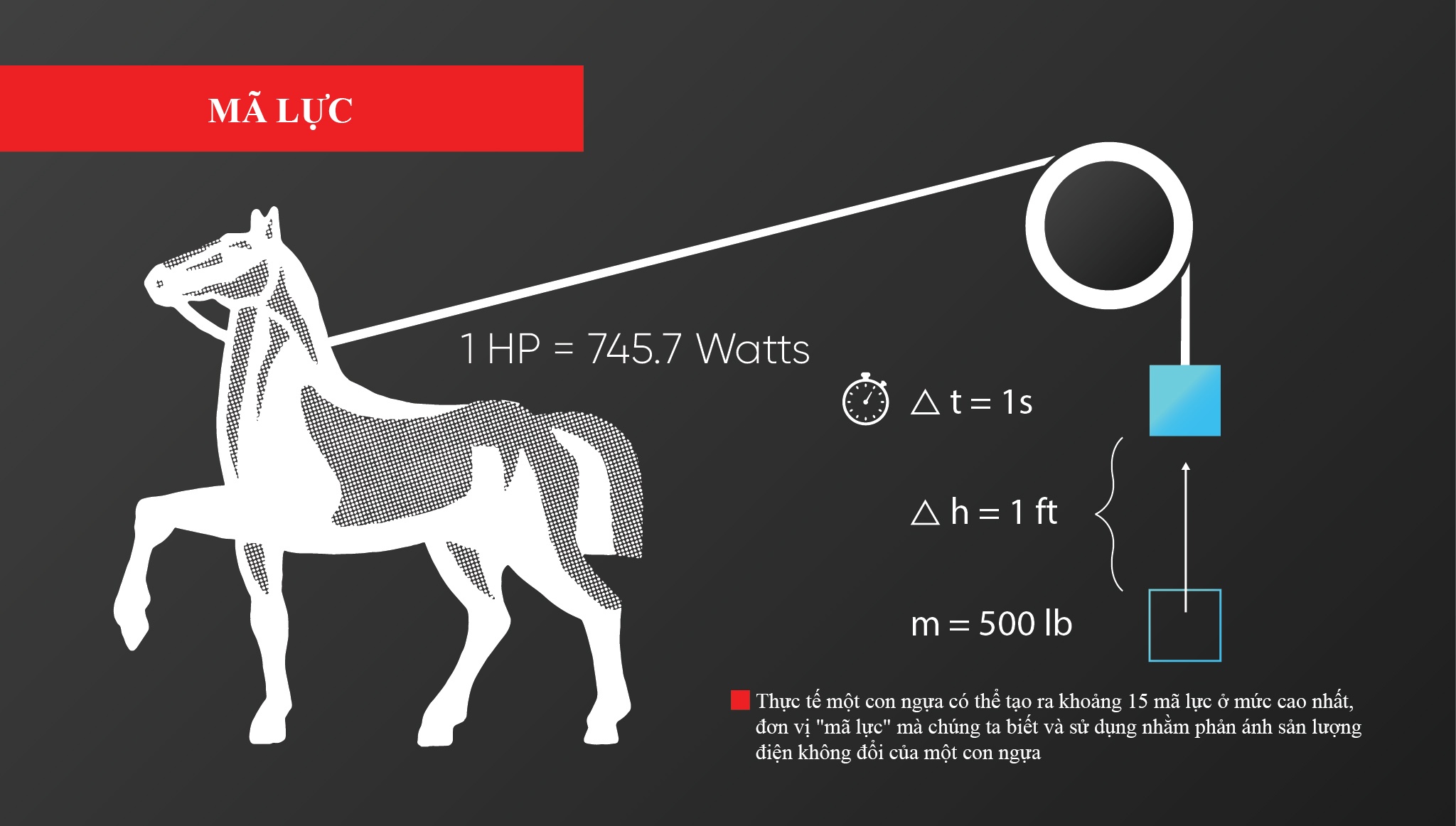
Horsepower: A unit initially devised to aid in the sales and marketing of steam engines, by quantifying the power of those new machines in familiar, readily understandable terms. Similar to watts, horsepower is a measurement of energy distribution over time.
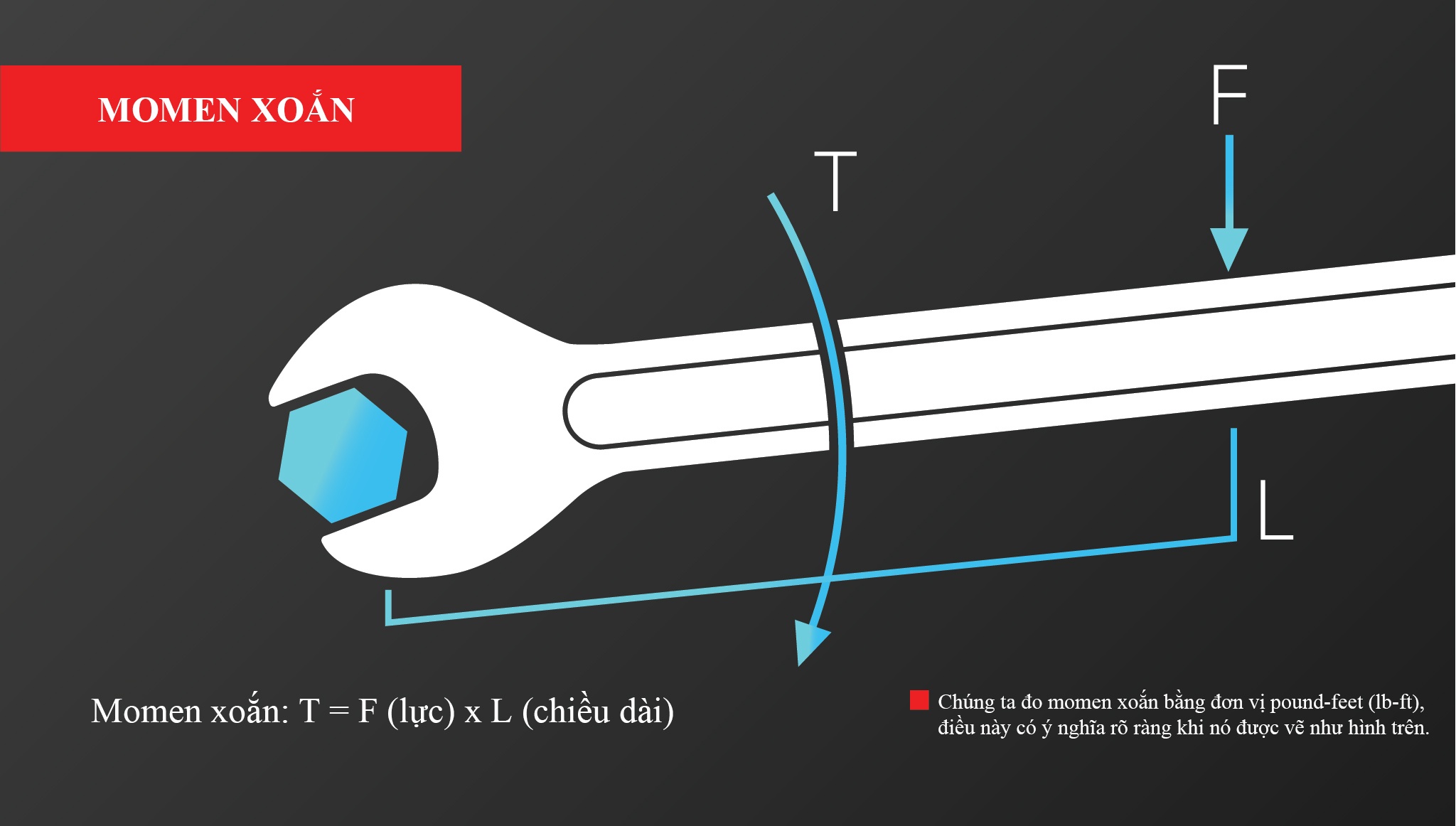
Torque: This is the unit of measurement for rotational force applied around an axis. Put simply, it describes how difficult it is for something to twist that axis. It is important to note that torque is independent of motion or time; torque can be applied at zero RPM. To understand this, imagine turning a doorknob to its limit and then holding it in that position. The force you apply to turn it is torque, and the force you are using to hold it steady is also torque, even though the doorknob is no longer rotating.
Lithium-ion: This is a broad term that encompasses many different battery formulations. In the most fundamental terms, a key component of Lithium Battery Technology, the lithium-ion battery, is any battery that utilizes a lithium-based cathode (positive electrode). During the charging cycle, negatively charged electrons are supplied to the anode (negative electrode). This process draws charged lithium particles (ions) through the electrolyte, moving them from the cathode to the anode, where they are stored. When the battery discharges, these ions travel back to the lithium cathode, which releases the stored electrons to move, thereby generating electricity. A separator is used to prevent the electrical current from moving internally within the battery.
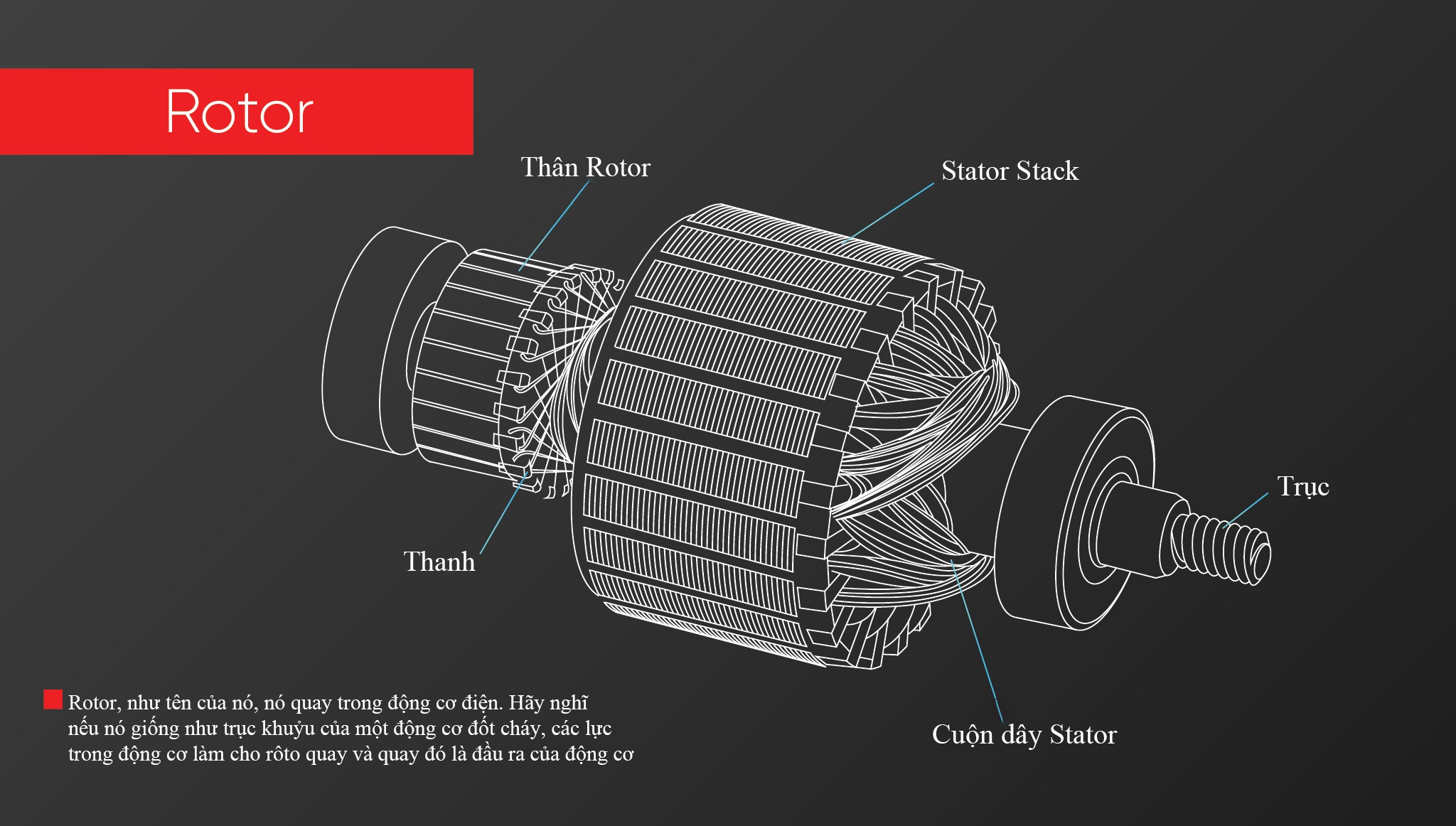
Rotor: As its name implies, this is the rotating part within an electric motor. Think of it as analogous to the crankshaft in an internal combustion engine; force within the motor causes the rotor to spin, and that spin constitutes the motor’s output.
Stator: These are the stationary components that surround the rotating part of the electric motor—a key component in modern applications often powered by advanced Lithium Battery Technology. The stator causes the rotor to spin by generating a continuous rotating magnetic field around its circumference. This rotating magnetic field interacts with the rotor’s own magnetic field, compelling it to turn.
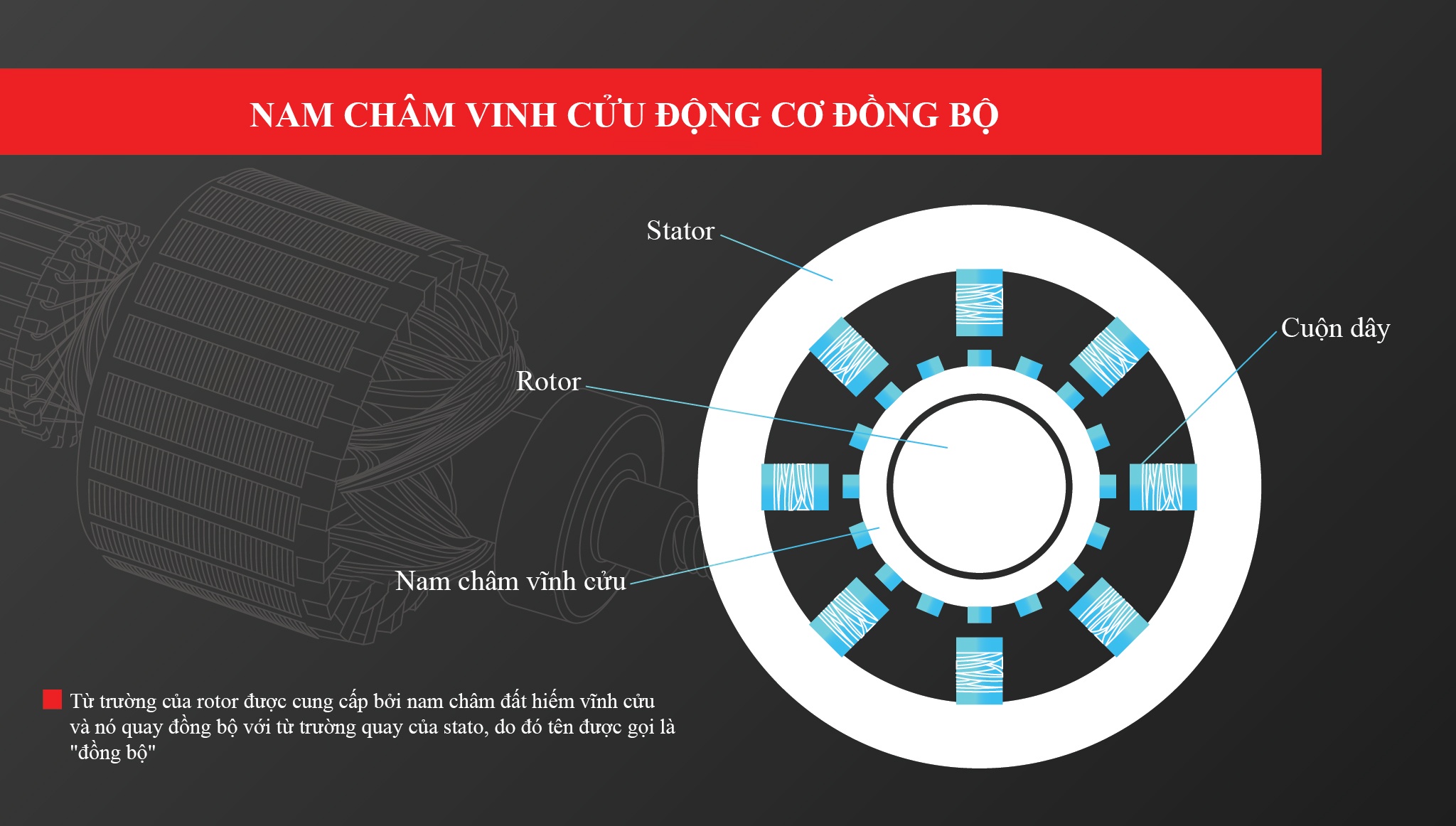
Permanent magnet synchronous motor: The rotor’s magnetic field is provided by permanent rare-earth magnets, and it rotates synchronously with the stator’s rotating magnetic field, which gives it the “synchronous” name.
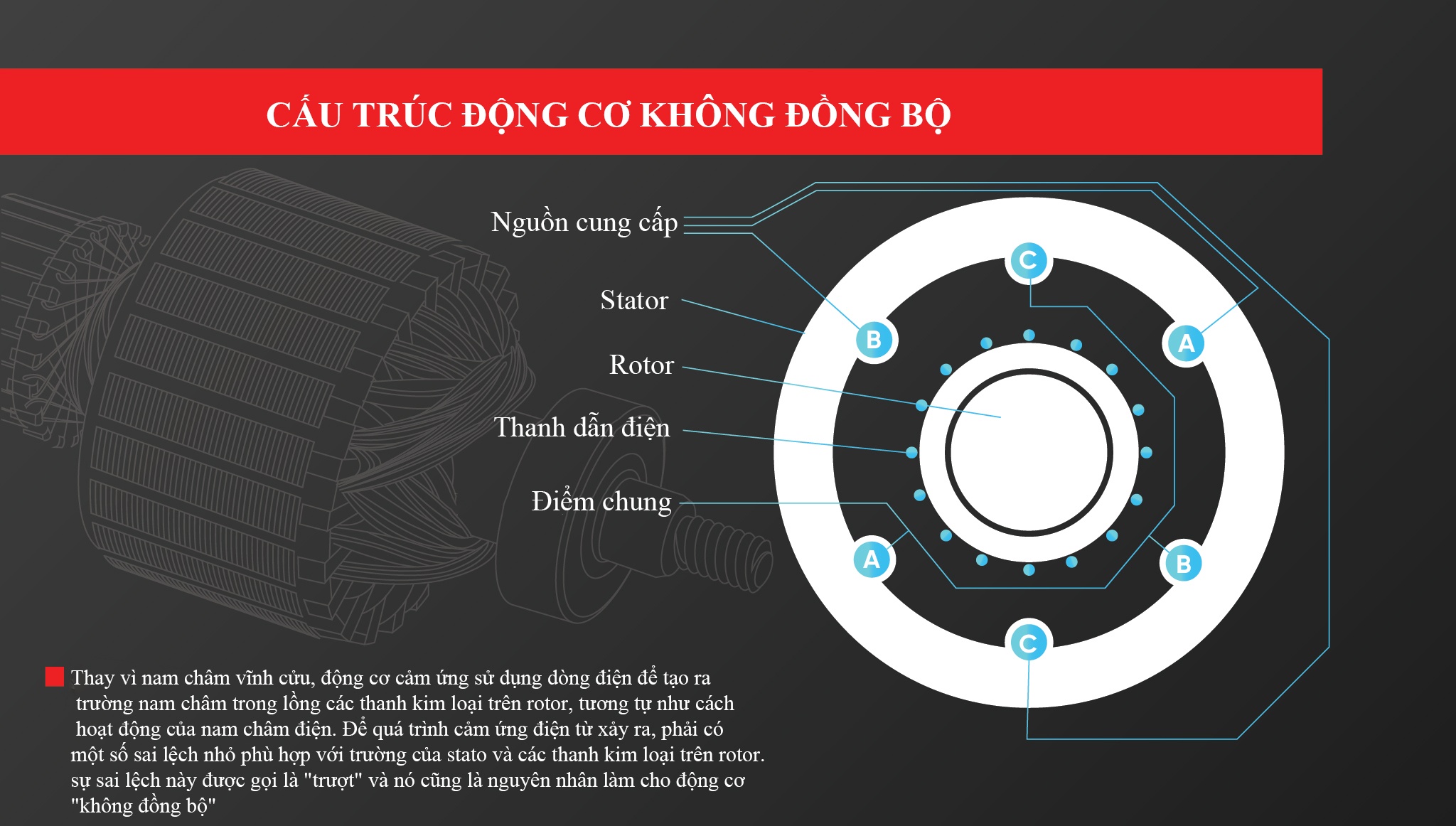
Induction asynchronous motor: Instead of permanent magnets, an induction motor utilizes an electric current to generate a magnetic field within the cage of metal bars on the rotor, operating similarly to an electromagnet. For this electromagnetic induction to occur, a slight discrepancy must exist between the stator’s fields and the rotor’s metal bars. This discrepancy is known as “slip,” and it is what makes the motor “asynchronous.”
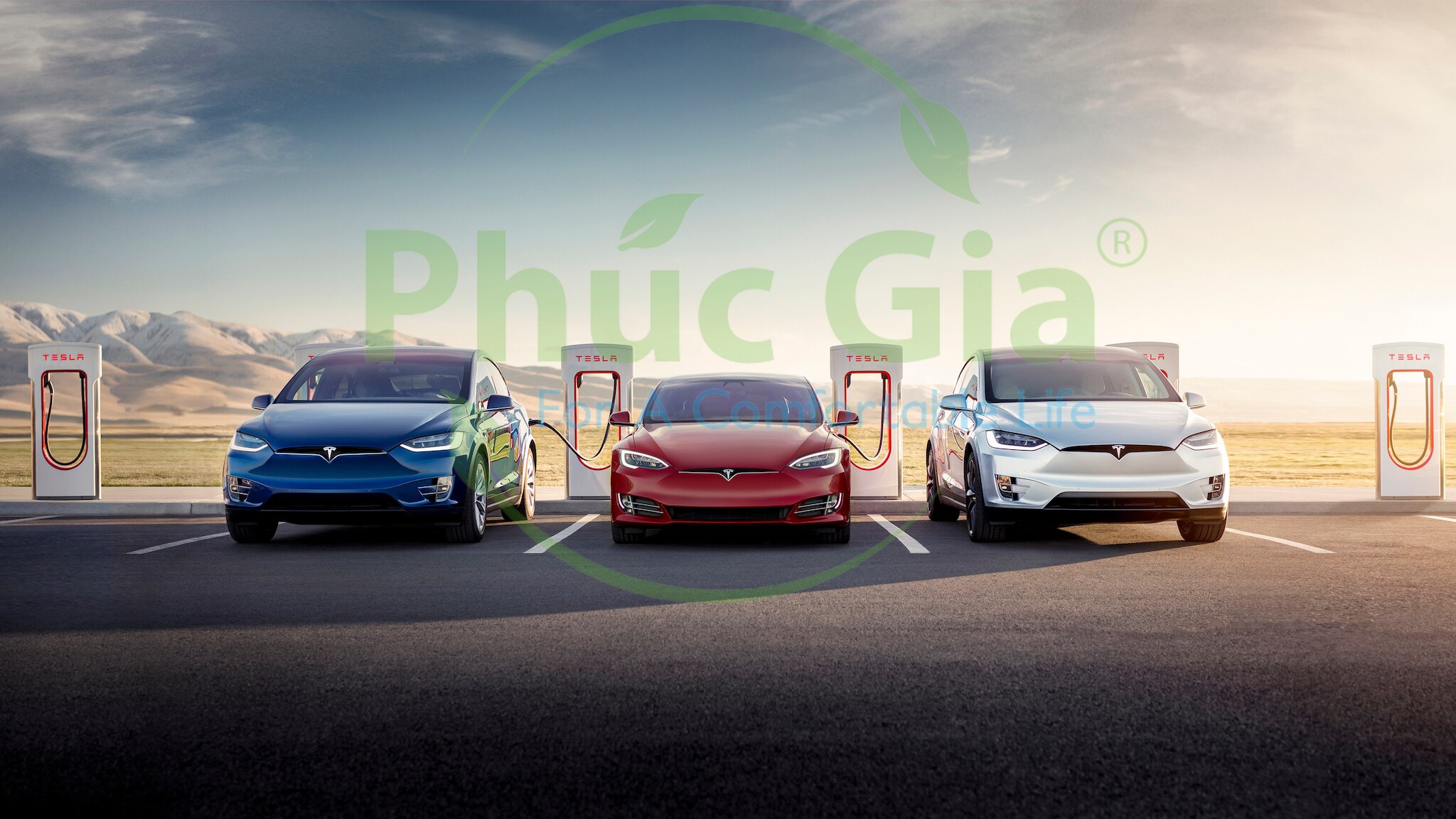
Electric vehicles can seem highly complex and foreign, with their wires and batteries, silent motors, and integrated computers controlling the entire program. Compounding this, they are often measured in unfamiliar units and labeled with less-than-intuitive names. Most automotive enthusiasts cannot simply look at a spec sheet detailing battery capacity, motor output in kilowatts, and charging voltage and intuitively grasp what those specifications truly mean in practical terms.
But it does not have to remain that way. It is possible to understand and develop an intuitive feel for EVs based on the numbers, or at least gain a clearer understanding. Just as most traditional gearheads, perhaps especially old-school types, know that 1 liter is approximately 61 cubic inches, handy references also exist for other conversions.
Take horsepower and kilowatts, for example. As noted at the beginning, 1 horsepower equals 745.7 watts. That is useful, but what does it mean? Suppose you want to know how many kilowatts your turbocharged V-8 produces. It’s easy: to convert from horsepower to kilowatts, just subtract one-quarter of the horsepower figure (e.g., if your V-8 has 800 hp, subtracting one-quarter yields 600 kW, a result within 1 percent of the exact conversion). Want to know how much horsepower a new EV makes? Simply increase the kilowatt figure by one-third; reversing the previous example clarifies this. Now you will never be without an easy method to conceptualize the power level you can expect from 236 kW.
Then, there are the batteries and charging systems—core components of modern Lithium Battery Technology. Significant news is generated in the EV world when an automaker or charging provider opens a new set of charging stations, often featuring higher capacities and offering shorter recharge times than before. For instance, Tesla recently launched new 250 kW supercharging stalls, and Porsche’s fast-charging network, being deployed for the Taycan’s debut, includes 270 kW chargers. Although they share similar maximum power output figures, they achieve this output in different ways. This is where volts and amps come into play.
The Tesla Model S and Model 3 battery packs run at nominal voltages of approximately 375 volts and 350 volts, respectively. (Published figures vary slightly.) The Porsche Taycan’s battery pack operates at a nominal 800 volts. Therefore, for a 350-volt Tesla Model 3 to charge at 250 kW, it must send about 715 amps through the cabling to the battery. This implies it requires some fairly large-diameter “pipes”—or in the real world, heavy-gauge, large-diameter cables. The Taycan, conversely, needs only 312 amps to achieve a 250 kW charging rate at 800 volts. (With a compatible fast charger, the Taycan can charge at up to 270 kW, necessitating about 337 amps.) Higher voltage permits lower amperage, which in turn allows for smaller power delivery cables, translating to less overall weight. More amperage can also generate more heat, though many variables are involved.
However, the point is not strictly the advantages of higher-voltage charging and power delivery, but rather how volts and amps interrelate. With the “lower pressure, bigger pipe” Tesla charger, the same amount of electricity is moved in the same period as the Porsche with its “smaller pipe, higher pressure” system. Porsche and Tesla have taken two different paths to a similar endpoint, but it is those differences that define the brand—much like how Ford and Chevy both produce excellent small-block V-8s, yet they are as different as they are similar, and those differences matter; the same holds true for batteries.
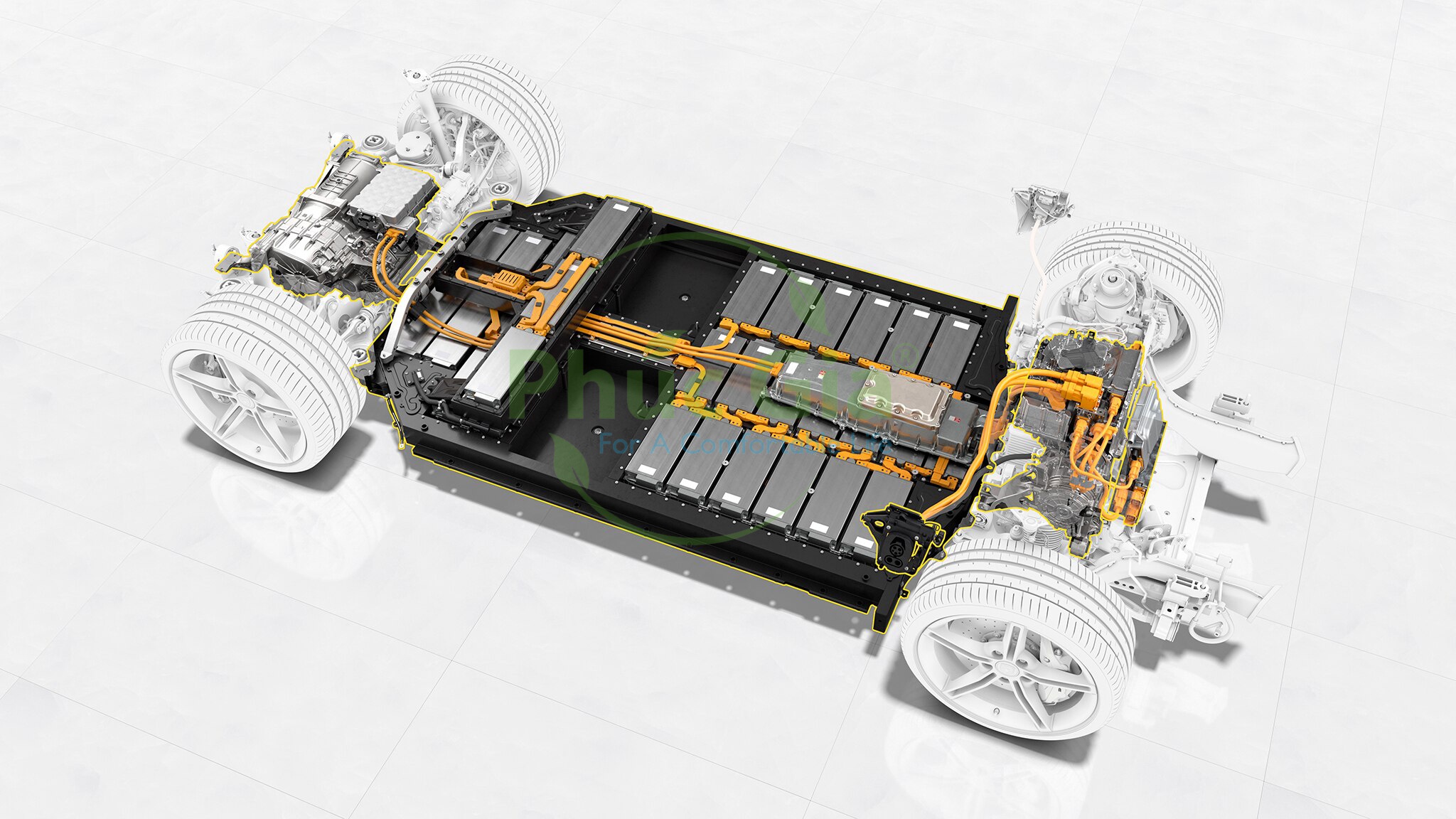
Batteries, unlike most of an EV’s systems, seem quite familiar. We use lithium batteries all the time, right? That is true, we do, and although lithium-polymer batteries (like those in most smartphones and laptops today) are not exactly the same as the lithium-ion batteries used in electric vehicles, they are close enough. But kilowatt-hours? It sounds like your electric bill and not kilowatts like horsepower? That would not make kW-hr like horsepower-hr then. Actually, it is—that is the point; a battery’s kW-hr rating is often analogized to the size of a gas tank, and just like in an internal combustion engine vehicle, the more horsepower you use—the more “horsepower-hours” you use—the shorter the range you will get.
Except, like many things with EVs, it is not that simple in the real world. There are many factors that affect range, including battery pack size, the specific Lithium Battery Technology and its chemistry, and of course all the performance- or efficiency-based characteristics of the vehicle, like aerodynamics, rolling resistance, and more.
Take Tesla for example: the longest-range production EVs on the road today. With up to 370 miles of range per the EPA’s rated EV range system, the Model S Performance rates 345 miles of range. On the other hand, Porsche’s new Taycan has not yet received an EPA rating but will likely land around 250 miles. The difference is larger than you might expect based on the relative sizes of the battery packs: Tesla’s Model S Performance stores 100 kW-hours of energy, compared to the Porsche’s 93.4 kW-hours.
The easiest way to think about it is like the horsepower-per-liter wars of old: The battery’s kW-hr rating is the “liters,” and the distance it can travel (and/or the performance it can deliver) is the “horsepower.” This is where brands differentiate themselves, not just in technical capability but in where each company places the balance of range, performance, and efficiency for each car—the elements that create an electric car’s character.
Part of this is that Tesla has had years to refine its motor control algorithms, enabling Tesla to deliver higher efficiency in converting electrical energy into motion. Also playing a role are gearing, motor choice, and, of course, all the standard factors for range, such as aerodynamics and rolling resistance.
It is likely this latter factor that creates one of the more significant differences between the Tesla and the Porsche. While the Tesla Model S wears 245-section tires designed to balance performance and efficiency, the Taycan Turbo S’s 305-section width tires are nearly 3 inches wider and made of a stickier rubber compound. Similarly, the Tesla weighs about 300 pounds less than the Taycan Turbo S, which helps reduce the mass requiring acceleration and, consequently, yields greater range.
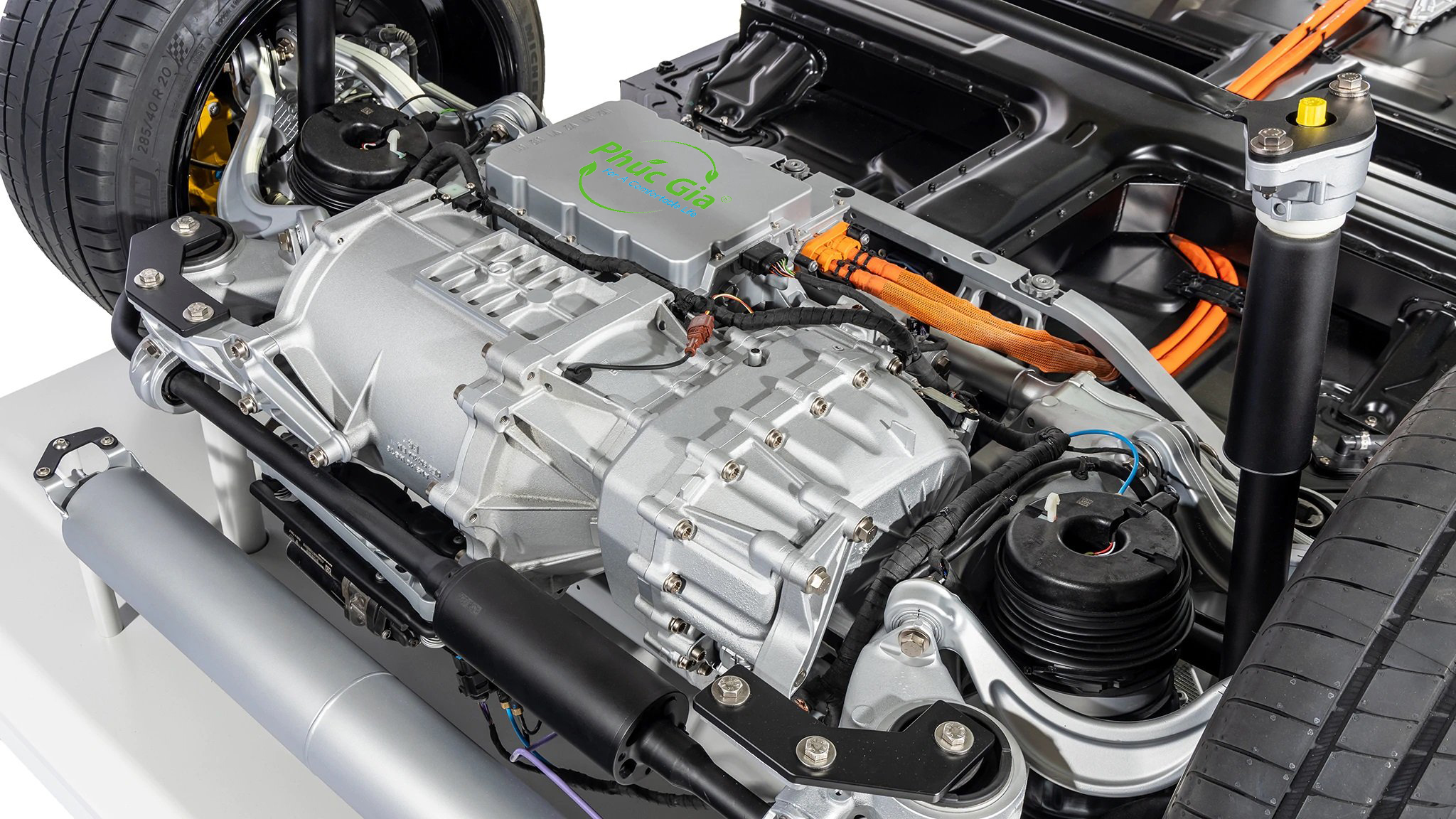
The Model S’s longer range in its performance configuration is particularly impressive given the Tesla’s similarity—and in some respects, superiority—on the performance spec sheet. Maximum horsepower is a close race, with the Porsche’s 760 hp (in overboost mode) edging out the Tesla Model S Performance’s 691 hp maximum. Acceleration from 0-to-60 mph is extremely fast in either vehicle, with the Taycan Turbo S taking 2.6 seconds (per Porsche) compared to the Tesla Model S Performance’s 2.4 seconds. Likewise, the Tesla just tops the Porsche’s maximum speed, at 163 mph versus the Taycan’s 161 mph.
However, one significant difference between the Model S and the Taycan Turbo S is repeatability. Just one or two launches can drain the Tesla’s battery—a core component of its Lithium Battery Technology—to the point of significant power reduction, prohibiting further performance runs. The Porsche, conversely, is capable of operating at its rated performance essentially until the battery is depleted. This is partly about the character of each car and the decisions their respective brands made to serve that character. For instance, the Tesla is meant to be a great all-arounder, whereas the Taycan, especially in Turbo S form, is intended to be a serious sports sedan first and a smart, comfortable commuter second. Both vehicles achieve their goals, as similar as they are—and despite how alike they may appear on paper.
All this battery energy has to go somewhere, right? That is where the motors come in. There are two primary types of electric motors used in electric cars, though many variations on those themes exist. Tesla, for example, uses alternating current (AC) induction motors in the Model S but utilizes permanent magnet direct current (DC) motors in the Model 3. Both motor types offer advantages, but generally, induction motors are somewhat less efficient than permanent magnet motors under full load. Permanent magnet motors are also typically smaller and lighter than their induction counterparts. Although induction motors can achieve terrific efficiency (as seen in the top-tier Performance Model S variants), permanent magnet motors are often regarded as an upgrade.
Of course, this is just the tip of the iceberg. But hopefully, you are now slightly better equipped to process all the new electric vehicles hitting the market, both now and in the near future, translating them into terms that are easier to understand, contemplate, and debate.

![QUOTATION – Testing and Other Certification Services [2026]](https://phucgia.com.vn/wp-content/uploads/2017/03/bao-gia-thu-nghiem-chung-nhan.png)