

See more: Capacity Profile Of Phuc Gia Laboratory Corporation
LED luminaires, including general-purpose fixed and portable LED lights, are lighting products that fall within the scope of QCVN 19. However, not everyone clearly understands the definitions, the scope of application, or the standard labeling requirements for LED luminaires to meet the mandates of QCVN 19. Let Phuc Gia® clarify these issues in the detailed article below.
I. Definitions
Based on Section 2 – Technical Requirements of QCVN 19:2019/BKHCN, fixed and portable general-purpose LED luminaires (also known as LED luminaires) must comply with the LED lighting conformity requirements of QCVN 19.
So, what are General-Purpose LED Luminaires and Fixed General-Purpose LED Luminaires?
According to Clause 1.3.6, Section 1 of the National Technical Regulation QCVN 19:2019/BKHCN:
-
What is a General-Purpose LED Luminaire? It is an LED luminaire not designed for special purposes. Examples of excluded special-purpose lights: those used for filmmaking, photography, swimming pools, agriculture, fishing, or vehicle lights.
-
What is a Fixed General-Purpose LED Luminaire? It is an LED luminaire used for lighting purposes and designed to be removed only with the aid of a tool or used out of reach.
-
What is a Portable General-Purpose LED Luminaire? It is an LED luminaire used for lighting purposes that can be moved from one location to another while still connected to the power supply.
Classification of Fixed and Portable General-Purpose LED Luminaires
According to TCVN 7722-1:2017, the following types of lights are classified as fixed and portable general-purpose LED luminaires:
-
Fixed general-purpose luminaires
-
Portable general-purpose luminaires
-
Floodlights
-
Recessed luminaires
-
Portable garden luminaires
-
Handlamps
-
Nightlights for mains socket-outlets
-
Ground recessed luminaires
-
Lighting chains (string lights)
-
Luminaires for emergency lighting
-
Luminaires with limited surface temperatures
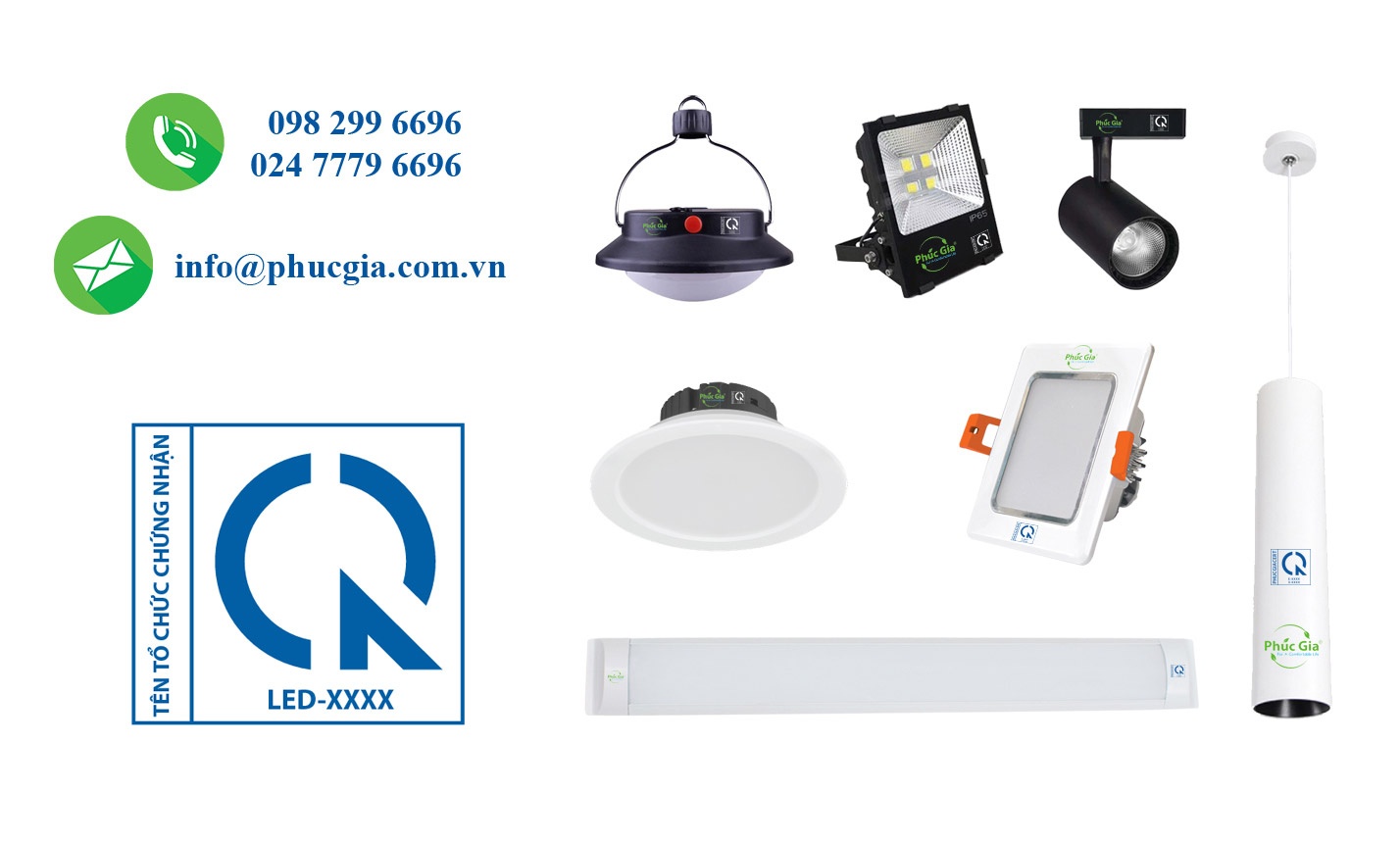
II. Labeling for Fixed and Portable General-Purpose LED Luminaires
Fixed and portable general-purpose LED luminaires are hereafter referred to as LED Luminaires.
Standard-compliant labeling for LED luminaires (mandatory labeling content under QCVN 19) is a compulsory requirement of the National Technical Regulation QCVN 19.
However, many manufacturers, traders, and importers of LED lights are not fully aware of the mandatory information that must be displayed on the labels to ensure compliance. Therefore, Phuc Gia Laboratory will clarify the required content for LED Luminaire labels.
Pursuant to Section 2.1.1 of QCVN 19:2019/BKHCN, LED luminaires (fixed and portable general-purpose) must comply with the regulations specified in TCVN 7722-1:2017.
According to Section 3 – Labeling of TCVN 7722-1:2017, LED luminaires must display the detailed labeling content as specified in the following table:
| ORD | Requirements | Detailed Content of the Requirements | Examples | |||||||||
| According to Section 3 – Labeling of TCVN 7722-1:2017TCVN 7722-1:2017 | ||||||||||||
| 3.2 | Labeling on the luminaire | |||||||||||
| Labeling information | Information clearly and durably marked on the luminaire. | |||||||||||
|
Labeling under point a (rated power…) must be complied with when replacing bulbs or other replaceable components
|
Must be visible from the outside of the luminaire (except the mounting side) or from the back of the cover. | |||||||||||
|
Labeling under point b (origin, voltage, model, terminals…) must be complied with during installation
|
Requirement: Visible from the outside of the luminaire or the back of the cover or a part removed during installation. | |||||||||||
| 3.2.1 | Mark of origin | This label can be a trademark, manufacturer’s identification mark, or the name of the authorized agent. | Example: Philips, Osram, Nanoco… | |||||||||
| 3.2.2 | Rated voltage | Mark “V” or “volt” | Example: 220 V; 220 – 240 V | |||||||||
| 3.2.3 |
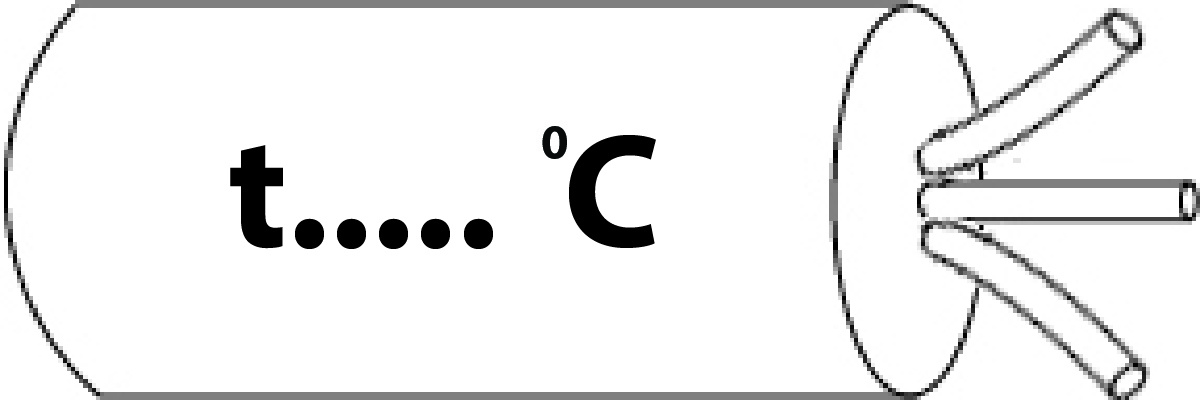
Rated maximum ambient temperature ta
|
Symbol: ta … ºC | Example: ta: 45 oC | |||||||||
| 3.2.4 |
Symbol for Class II luminaires (if applicable)
|
|
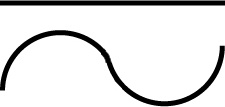
||||||||||
| 3.2.5 |
Symbol for Class III luminaires (if applicable)
|
 |
||||||||||
| 3.2.6 | IP code labeling for protection against ingress of dust, solid objects, and moisture (if applicable) | Ordinary: IP20
No requirement to mark IP20 on ordinary luminaires. |
||||||||||
| Drip-proof: IPX1 | ||||||||||||
| Rain-proof: IPX3 | ||||||||||||
| Splash-proof: IPX4 | ||||||||||||
| Jet-proof: IPX5 | ||||||||||||
| Powerful jet-proof: IPX6 | ||||||||||||
| Watertight (immersible): IPX7 | ||||||||||||
| Pressure-watertight (submersible): IPX8 m (followed by the number indicating the maximum immersion depth in meters) | IPX8 2 m | |||||||||||
| Protection against ingress of solid objects larger than 2.5mm: IP3X | ||||||||||||
| Protection against ingress of solid objects larger than 1mm: IP4X | ||||||||||||
| Dust-protected: IP5X | ||||||||||||
| Dust-tight: IP6X | ||||||||||||
| 3.2.7 | Manufacturer’s model number or type reference | Example: JBS513-30W | ||||||||||
| 3.2.8 | Rated power or symbol | Example: 20 W | ||||||||||
| 3.2.9 | Related symbol for luminaires not suitable for direct mounting on normally flammable surfaces | 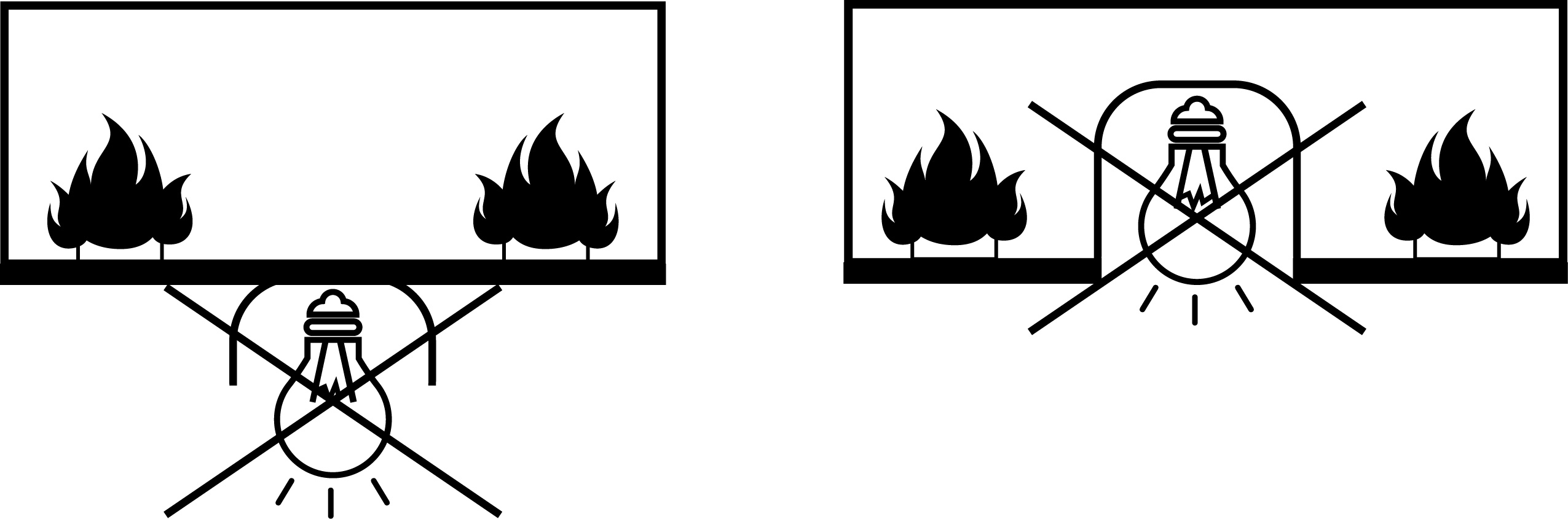
Apply symbols and explanations on the luminaire or in the manufacturer’s instructions provided with the luminaire (if applicable). The minimum size of the symbol must be 25 mm on each side. |
||||||||||
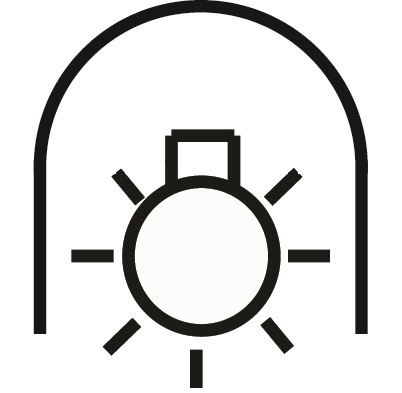
| 3.2.10 | Information related to special bulbs (if any) |
Apply symbol labeling on the bulb for luminaires used with high-pressure sodium lamps that either have an internal starting device or require an external ignitor. |
||||||||||
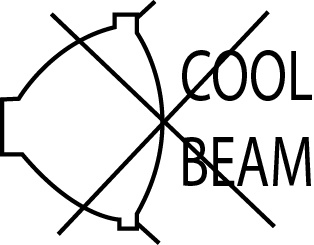
| 3.2.11 | Symbol for luminaires using bulbs with a shape similar to “cool beam lamps” (if applicable) |
Applies when the use of “cool beam” dichroic reflector lamps could adversely affect safety. |
||||||||||
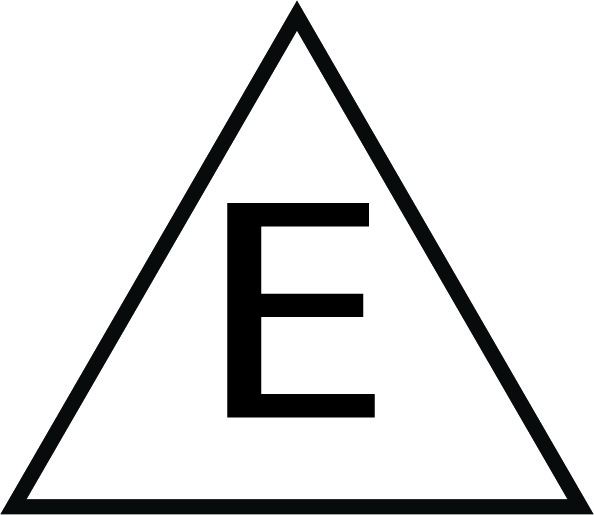
| 3.2.12 | Terminals must be labeled to identify live, neutral, and earth parts (Except for type Z attachment) | Symbols to indicate the mains terminals must comply with IEC 60417. | Example: L, N, E
L = Line N = Neutral E = Earth |
|||||||||
| 3.2.13 | Symbol for minimum distance and explanation of its meaning must be provided on the luminaire or in the instructions accompanying the luminaire (if applicable) |
Applies to luminaires that can cause overheating of the illuminated objects. |
||||||||||
| 3.2.14 | Symbol for rough service luminaires (if applicable) |
|
||||||||||
| 3.2.15 | Symbol for luminaires designed for use with bowl mirror lamps (if applicable) |
|
||||||||||
| 3.2.16 | Luminaires fitted with a protective shield must be labeled “Replace any cracked protective shield”, or have the corresponding symbol (as shown) |
Replace all cracked protective shields
|
||||||||||
| 3.2.17 | Maximum number of luminaires that can be interconnected or the maximum total current that can flow through the connector provided for parallel power wiring | Note: For fixed luminaires, this information may be provided in the installation instructions. | ||||||||||
| 3.2.18 | Warning symbol or notice for luminaires with ignitors | Applies to luminaires with ignitors designed for + double-ended high-pressure discharge lamps + luminaires using double-ended Fa8 tubular lamps (if the measured peak voltage exceeds 34 V). Note: This symbol must be explained on the luminaire or in the manufacturer’s instructions provided with the luminaire. | ||||||||||
| 3.2.19 | Symbol for luminaires designed for use only with self-shielded tungsten halogen lamps or metal-halide lamps |
|
||||||||||
| 3.2.20 | Adjustment means must be identified if not obvious | Appropriate labeling including symbols (e.g., arrows) to indicate the direction of movement, described by text or color. | ||||||||||
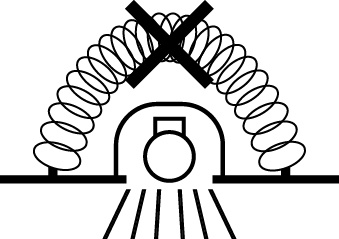
| 3.2.21 | Symbol for luminaires not suitable for covering with thermally insulating material |
Note: – This symbol must be explained on the luminaire or in the manufacturer’s instructions provided with the luminaire. – The minimum size of the symbol must be 25 mm on each side. |
||||||||||
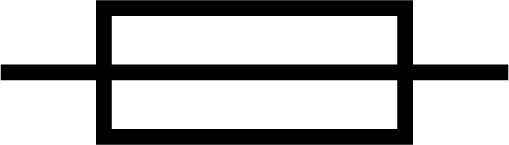
| 3.2.22 | Symbol for luminaires with internal replaceable fuses (if applicable) |
Notes: Additionally, this luminaire must be provided with information related to the rated current (in A or mA) of the fuse. |
||||||||||
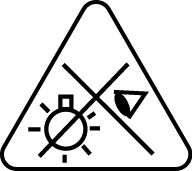
| 3.2.23 | Warning symbol “Do not stare at the light source” for portable and handheld luminaires classified with a luminance threshold Ethr |
|
||||||||||
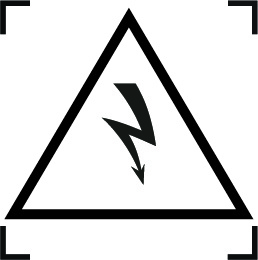
| 3.2.24 | Covers fixed over non-user replaceable light sources must be labeled with the symbol “caution, risk of electric shock” |
Requirement: Symbol height ≥ 15 mm |
||||||||||
| 3.2.25 | Constant rated input voltage | When the luminaire is intended to operate from a constant voltage control gear not supplied with the luminaire. | ||||||||||
| 3.2.26 | Constant rated input current | When the luminaire is intended to operate from a constant current control gear not supplied with the luminaire.
Note: Constant current luminaires must also be labeled with the maximum allowable voltage value Uout of the control gear. |
||||||||||
| 3.3 | Supplementary information | In addition to the labeling on the lamp, all detailed information necessary to ensure correct installation, use, and maintenance must be provided
|
||||||||||
| 3.3.1 | Information for combination luminaires | – Permissible ambient temperature;
– Protection class against electric shock or protection against ingress of dust, solid objects, and moisture of the replacement part if not at the minimum level (equal to the requirements of the basic luminaire). |
||||||||||
| 3.3.2 | Rated frequency | Expressed in hertz (Hz) | 50Hz | |||||||||
| 3.3.3 | Operating temperature | – Rated maximum operating temperature (of the winding) tw, expressed in °C.
– Rated maximum operating temperature (of the capacitor) tc, expressed in °C. – Maximum temperature that the insulation of the power supply cable and interconnecting cable must withstand inside the luminaire under the most unfavorable conditions of normal operation, if it exceeds 90 °C.
– Space requirements to be complied with during installation. |
||||||||||
| 3.3.4 | Not used | |||||||||||
| 3.3.5 | Wiring diagram | Wiring diagram (except in cases where the luminaire is suitable for direct connection to the mains). | ||||||||||
| 3.3.6 | Special conditions for which the luminaire, including ballast, is suitable | Example: Whether the luminaire is designed for parallel internal wiring. | ||||||||||
| 3.3.7 | Warning “This luminaire must only be used with a protective shield” | Applies to: Luminaires using metal halide lamps | ||||||||||
| 3.3.8 | Information on the limitations of use for semi-luminaires | Apply: In cases where overheating may occur due to the position or heat distribution of the replacement light source compared to the original light source | ||||||||||
| 3.3.9 | Information on power factor and supply current |
|
||||||||||
| 3.3.10 | Suitability | “Indoor” use including relevant ambient temperature | ||||||||||
| 3.3.11 | Luminaires using remote control gear | For luminaires using remote control gear, the range of lamps for which the luminaire is designed | ||||||||||
| 3.3.12 | Warning for luminaires fitted with a clamp | For luminaires fitted with a clamp, a warning when the luminaire is not suitable for mounting on tubular material | ||||||||||
| 3.3.13 | Technical requirements for protective shields | The manufacturer must provide the technical specifications for all protective shields. | ||||||||||
| 3.3.14 | Labeling of the Nature of Supply symbol | If necessary for correct operation, the luminaire must be labeled with the symbol for the nature of the supply.
|
||||||||||
| 3.3.15 | Rated current requirements | The rated current at the rated voltage must be declared by the manufacturer for any socket outlet incorporated into the luminaire, if it is less than the rated value. | ||||||||||
| 3.3.16 | Information for rough service luminaires | – Related to:
+ connection to a socket outlet with IPX4 rating; + correct installation taking into account temporary installation; + proper fixing to the stand and, in case the stand is not supplied with the luminaire, the maximum possible height of the stand and the required stability of the stand by specifying the number of legs and the minimum length of the legs. |
||||||||||
| 3.3.17 | Installation instructions containing information on cord replacement for X, Y, or Z attachments | The installation instructions must include the following information:
– For type X attachment with a specially prepared cord: If the external flexible cable or cord of this luminaire is damaged, it shall be replaced by a special cord or a cord exclusively available from the manufacturer or their service agent. – For type Y attachment: If the external flexible cable or cord of this luminaire is damaged, it shall be exclusively replaced by the manufacturer, their service agent, or a similarly qualified person in order to avoid a hazard. – For type Z attachment: The external flexible cable or cord of this luminaire cannot be replaced; if the cord is damaged, the luminaire shall be destroyed. |
||||||||||
| 3.3.18 | Non-ordinary luminaires using PVC power cords | Must include information on intended use, such as “For indoor use only”. | ||||||||||
| 3.3.19 | Luminaires with protective conductor current greater than 10 mA clearly specified in the instructions | |||||||||||
| 3.3.20 | Luminaires not intended for installation within arm’s reach must include information advising on correct installation | Must include the advisory information “shall only be installed outside of arm’s reach”. | ||||||||||
| 3.3.21 | Luminaires with non-replaceable light sources or light sources not replaceable by the user must have an instruction sheet containing detailed content as in the side column | – For non-replaceable light sources:
“The light source of this luminaire is not replaceable; when the light source reaches its end of life the whole luminaire shall be replaced.” – For non-user replaceable light sources: “The light source contained in this luminaire shall only be replaced by the manufacturer or his service agent or a similar qualified person.” |
||||||||||
| 3.3.22 | Controllable luminaires | – The classification of insulation maintained between the LV (Low Voltage) supply and the control conductors must be provided.
Examples: Basic insulation or reinforced insulation. |
||||||||||
| 3.3.23 | Luminaires not supplied with control gear | – Necessary information must be provided to select the appropriate components.
– For luminaires that do not require insulation between the LV supply and the output of the external control gear, no additional information is required. – For luminaires requiring basic insulation between the primary and secondary parts of the control gear, the following information is required: “The external control gear must provide at least basic insulation between the LV supply and the output.” – For luminaires not classified as Class III but requiring double insulation or reinforced insulation between the primary and secondary parts of the control gear, the following information is required: “The external control gear must provide at least double insulation or reinforced insulation between the LV supply and the output.” – Luminaires classified as Class III must have an indication that the control gear must be SELV. |
||||||||||
| 3.3.24 | Terminal block not supplied with the luminaire | Requirement: The packaging must contain the following information: “Terminal block not included. Installation must be performed by a trained person.” | ||||||||||
| 3.4 | Label test | Checking technical regulation compliance with the requirements of 3.2 and 3.3 using the following method:
– Step 1: Rub lightly for 15s with a cloth soaked with water, then dry. – Step 2: Rub for another 15s with a cloth soaked with petroleum spirit.
=> Requirement: After the test, the marking must remain legible, the marking plate must not be easily removed and must not be curled. Note: The petroleum spirit used is a hexane solvent with a maximum aromatics content of 0.1% by volume, a kauri-butanol value of 29, an initial boiling point of approximately 65 °C, a dry point of approximately 69 °C, and a specific gravity of approximately 0.68 g/cm³. |
||||||||||








For more details, please contact us at:
PHUC GIA LABORATORY CORPORATION
PHUC GIA CERTIFICATION CENTER
PHUC GIA INSPECTION TESTING CENTER
Address: ICD Long Bien, No. 01 Huynh Tan Phat, Sai Dong B Industrial Park, Long Bien Ward, Hanoi City, Vietnam.
Hotline: 0981 996 996/ 0982 996 696/ 024 7779 6696
E-mail: lab@phucgia.com.vn/cert@phucgia.com.vn/info@phucgia.com.vn
Website: phucgia.com.vn
Working time: Monday to Friday 8:00 – 18:30; Saturday 8:00 – 12:00

![QUOTATION – Testing and Other Certification Services [2026]](https://phucgia.com.vn/wp-content/uploads/2017/03/bao-gia-thu-nghiem-chung-nhan.png)