

See more: Capacity Profile Of Phuc Gia Laboratory Corporation
Lithium Battery is becoming more and more popular in our daily life as technology in particular and the society in general, is developing day by day. Currently, reusable batteries come in a wide variety of models and types, playing an indispensable role in electronic devices and daily life. A frequently asked question is, between the Lithium Ion Battery and the Lithium Polymer Battery, which one performs better and is safer? Let’s explore this with Phuc Gia Lab in the article below.

1. The Difference Between Lithium Ion and Lithium Polymer Batteries
1.1 Construction
Both Lithium Ion and Lithium Polymer batteries are types of batteries that can be reused multiple times through recharging. They are both composed of nearly identical chemical components. For the Lithium Ion Battery (Li-Ion), the positive electrode is made from substances like Lithium iron phosphate, cobalt oxide, or manganese oxide, and it typically uses lead in the negative electrode and an electrolyte. The battery’s shape is resistant to deformation as it is protected by a robust, hard metal casing and a microchip system.
In terms of chemical composition, the Lithium Polymer Battery (LiPo) is also very similar to the Li-Ion Lithium Battery. This model requires special care, as incorrect charging will impact the battery’s durability. The most significant difference is that the electrolyte in a LiPo Battery is not liquid; manufacturers formerly used a dry solid, but today it is a porous chemical substance or a gel-like electrolyte.
1.2 Operating Principle
The operating principle for both the Lithium Ion Battery and the Lithium Polymer Lithium Battery is the exchange of Lithium-Ions between the positive and negative electrodes, which are made of Lithium Carbon. When in use, users must pay attention to battery safety; any type of Lithium Battery can potentially cause a fire and explosion if used improperly.
According to practical research, Li-Ion batteries have a higher risk of fire and explosion due to their metal casing. If overloaded, a LiPo battery will explode, but because it contains a Polymer gel, catching fire is more difficult. However, because it is equipped with a protective microchip, the battery can swell, leading to a short circuit/fire and causing a dangerous accident.
Therefore, experts warn that it is necessary to strictly adhere to battery usage guidelines to extend the Lithium Battery lifespan and achieve maximum safety during use.
1.3 Advantages and Disadvantages of Lithium Ion and Lithium Polymer Batteries
1.3.1 Lithium Ion Battery
Advantages: The Li-Ion Lithium Battery can store a large amount of energy. It is not affected by the memory effect, which can make recharging difficult over time. Its charge-discharge cycle can reach 400 times or more, depending on the manufacturer. Today, thanks to advanced production technology, these batteries are protected by good microchip systems, allowing them to last longer. Constructed with a metal casing, the battery can withstand impacts.
The cost is much cheaper compared to LiPo batteries. Current leakage in Li-Ion batteries is low. The battery is lightweight, provides an efficient discharge current, and is used in a wide range of digital devices.
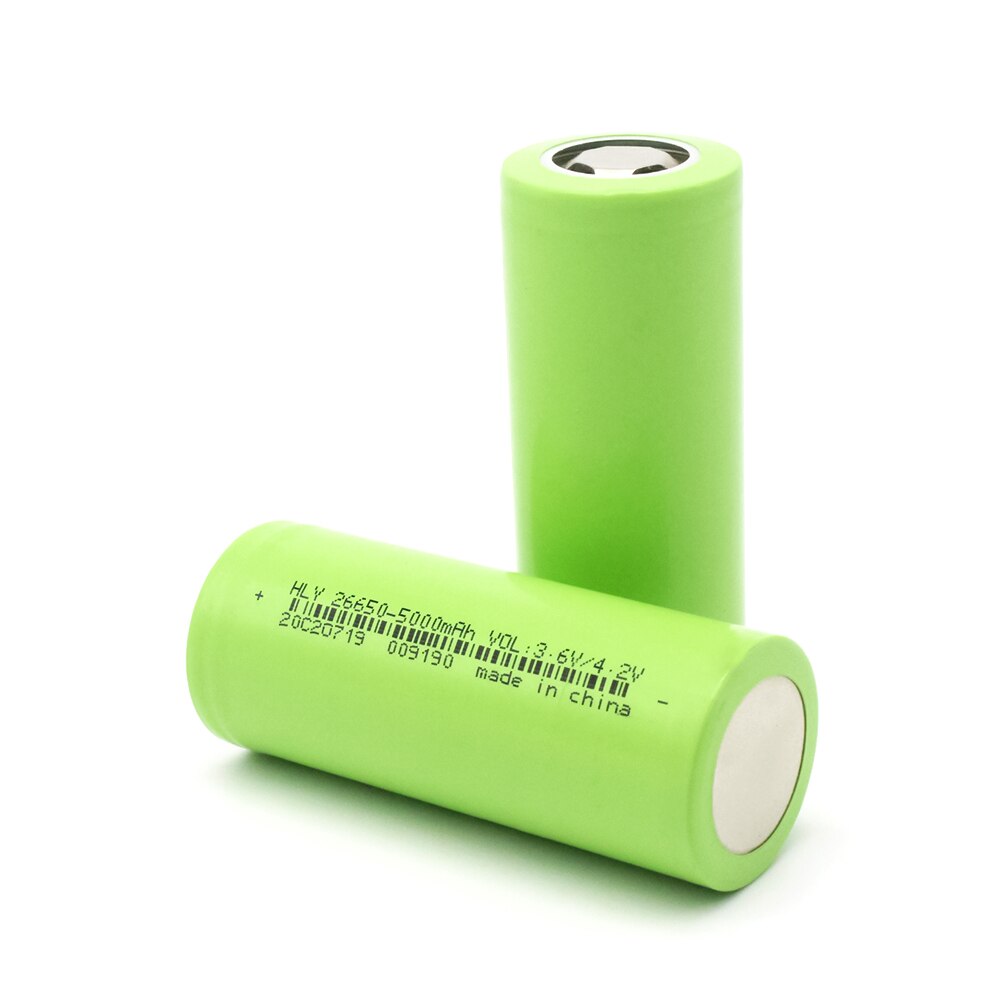
Disadvantages: The quality of a Li-Ion Lithium Battery will degrade, even becoming unusable, if stored for too long, regardless of whether it is used or not. Therefore, you should only purchase them when needed and should not stockpile them.
If you allow the voltage to become too depleted or exceed 4.2 V/Cell, the battery will also be damaged.
This Lithium Battery has a block-like form, which makes it difficult to integrate into devices requiring batteries with specific form factors. Its weight is heavier than a LiPo battery of the same capacity. Due to the use of a flammable solvent, the risk of fire and explosion is quite high if not used properly. To ensure safety, you should select a reputable Lithium Battery brand for use.
1.3.2 Lithium Polymer Battery
Advantages: The LiPo Lithium Battery offers high energy storage capacity, low leakage, robust and powerful operation, and does not suffer from the memory effect. It is lightweight, durable, and contains a good electrolyte that is less prone to corrosion. It is used in the majority of digital devices owing to its high discharge capabilities.
Due to its flexible size characteristics, it can be adapted to fit many products. The Lithium Battery can also withstand significant impact forces. Its positive and negative contact construction helps to limit short circuits and fires.
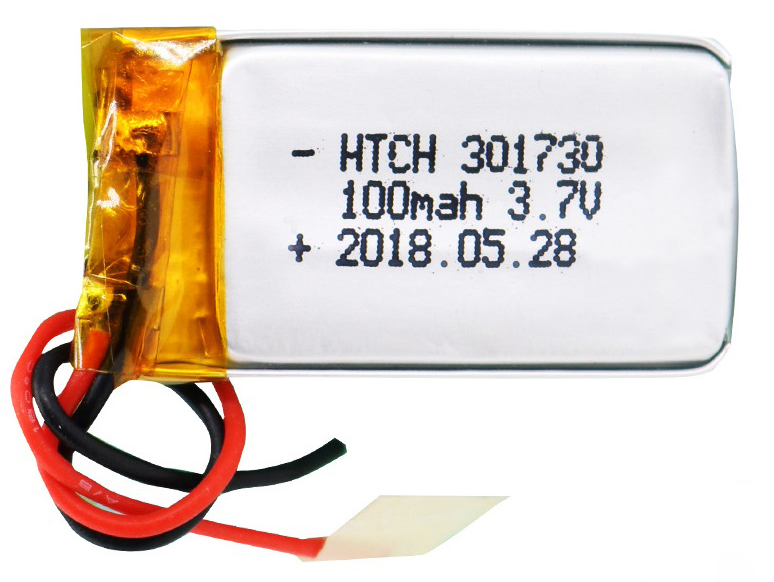
Disadvantages: LiPo batteries are less widely used due to their relatively high cost, being significantly more expensive than their Li-Ion counterparts. The LiPo Lithium Battery also experiences quality degradation similar to the Li-Ion Lithium Battery and requires a proper storage regimen. If the voltage exceeds the threshold, this Lithium Battery will also swell and short-circuit/catch fire.
They store less energy than Li-Ion batteries. The soft casing is easily deformed and prone to leakage, leading to short circuits, and the swelling phenomenon occurs more readily.
1.4 Price of Lithium Ion and Lithium Polymer Batteries
The cost of Lithium Ion and Lithium Polymer batteries varies significantly. The price of a Li-Ion Lithium Battery is much cheaper than a LiPo Lithium Battery, which is why Li-Ion batteries are generally used more commonly.
2. Lithium Ion vs. Lithium Polymer Battery: Which one should you buy?
Above, Phuc Gia Lab has provided a clear analysis of the characteristics of both the Lithium Ion and Lithium Polymer battery types; each possesses its own distinct advantages and disadvantages.
The LiPo Lithium Battery is less durable, yet its tolerance for heat and overloading is greater. It can withstand impacts, is less flammable, has a flexible and customizable form factor, is lightweight, and is widely used in small, thin digital devices like Bluetooth headsets and listening devices. However, its soft casing makes it easy to puncture and prone to swelling.
The Li-Ion Lithium Battery is highly favored by manufacturers because it can be charged over 1000 times, and deformation is less common. Consequently, high-end electronics brands, even those costing hundreds of thousands of dollars, still use this type of Lithium Battery. Due to its high energy storage, good durability, safety, and low cost, this Lithium Battery is also extensively used in the manufacturing of electric vehicles, the aerospace industry, and more.
Therefore, you should not be overly concerned with choosing a Li-Ion or LiPo Lithium Battery, as manufacturers have already thoroughly researched which type is most suitable for each specific product. Instead, you should make a selection based on your usage needs and financial condition.
In particular, with counterfeit batteries now prevalent and mixed with genuine ones, the hazards of using a fake Lithium Battery are significant and can easily lead to unsafe conditions. For this reason, you must choose a reputable vendor to purchase a genuine, high-quality Lithium Battery.
BÀI VIẾT LIÊN QUAN:
- Phuc Gia Laboratory (PGL) Achieves ISO/IEC 17025:2017 Accreditation
- Lithium Battery Test Report – QCVN 101:2016/BTTTT and QCVN 101:2020/BTTTT
For more details, please contact us at:
PHUC GIA LABORATORY CORPORATION
PHUC GIA CERTIFICATION CENTER
PHUC GIA INSPECTION & TESTING CENTER
Address: ICD Long Bien, No. 01 Huynh Tan Phat, Sai Dong B Industrial Park, Long Bien Ward, Hanoi City, Vietnam.
Hotline: 0981 996 996/ 0982 996 696/ 024 7779 6696
E-mail: lab@phucgia.com.vn/cert@phucgia.com.vn/info@phucgia.com.vn
Website: phucgia.com.vn
Working time: Monday to Friday 8:00 – 18:30; Saturday 8:00 – 12:00

![QUOTATION – Testing and Other Certification Services [2026]](https://phucgia.com.vn/wp-content/uploads/2017/03/bao-gia-thu-nghiem-chung-nhan.png)