

A circuit breaker is an automatic switching device designed to protect electrical systems and users from overloads, short circuits, and leakage currents. This device automatically disconnects the circuit when a fault is detected, thereby limiting equipment damage and fire hazards. Testing for Circuit Breakers in Vietnam according to QCVN 25:2025/BKHCN is a mandatory requirement to ensure that products comply with technical requirements before being circulated on the market.
See more: Capacity Profile Of Phuc Gia Laboratory Corporation
I. Usage Trends and the Critical Importance of Testing for Circuit Breakers in Vietnam
A circuit breaker operates similarly to an automatic electrical switch but has the ability to instantly disconnect a circuit when a fault occurs, helping to minimize equipment damage and the risk of electric shock for users. Currently, circuit breakers are widely used in electrical systems for households, offices, buildings, and industrial works, with different types depending on the function, current, and number of phases of the circuit.
Common types of circuit breakers include: Miniature Circuit Breakers (MCB) for protection against overloads and short circuits in residential electrical circuits; Residual Current Circuit Breakers (RCCB) for protection against leakage currents; and Residual Current Breakers with Overcurrent Protection (RCBO), which combine protection against overloads, short circuits, and leakage currents in a single device. Depending on the intended use, the device can have from one to multiple poles, specific short-circuit breaking capacities, and the ability to adjust the current to suit application requirements.
Circuit breakers that do not meet requirements for circuit interruption, current-carrying capacity, or sensitivity to leakage currents can lead to overloads, short circuits, or residual current leakage, posing a risk of equipment damage and danger to users. Therefore, performing Testing for Circuit Breakers in Vietnam according to QCVN 25:2025/BKHCN is a mandatory regulation to ensure that products operate safely and stably, and comply with technical standards before being placed on the market.

II. Guidance on Testing for Circuit Breakers according to QCVN 25:2025/BKHCN
1. Scope of Application
Based on QCVN 25:2025/BKHCN, circuit breakers for household and similar purposes, with a rated current not exceeding 63 A, are mandatory required to undergo testing according to this regulation. This includes the following types of circuit breakers:
| ORD | Product Type/Model | HS Code | Description |
| 1 | Circuit Breakers (MCB) | 85362011 85362012 85362013 85362091 85362099 |
Circuit breakers for overcurrent protection for alternating current, for household and similar purposes (MCB) with a rated current not exceeding 63 A |
| 2 | Circuit Breakers (RCBO) | 85365020 | Residual current operated circuit breakers with integral overcurrent protection for household and similar purposes (RCBO) with a rated current not exceeding 63 A |
| 3 | Circuit Breakers (RCCB) | 85365020 | Residual current operated circuit breakers without integral overcurrent protection for household and similar purposes (RCCB) with a rated current not exceeding 63 A |
2. Technical Requirements
| STT | Product Type/Model | Applicable Standards | Testing Criteria |
| 1 | Circuit Breakers (MCB) | TCVN 6434-1:2018 (IEC 60898-1:2015) |
– Dielectric properties and isolation capability – Tripping characteristics |
| 2 | Circuit Breakers (RCBO) | TCVN 6951-1:2007 (IEC 61009-1:2003) |
– Dielectric properties – Operating characteristics |
| 3 | Circuit Breakers (RCCB) | TCVN 6950-1:2007 (IEC 61008-1:2006) | – Dielectric properties – Operating characteristics |
Note:
– Short-circuit testing criteria for MCB, RCBO, and RCCB are excluded.
– Notes on typical sampling:
- Circuit Breakers (RCCB) – Certification under Scheme 1: Typical samples are taken by the Certification Body (CB) or by the customer according to the CB’s instructions and sent to the CB.
- Circuit Breakers (MCB) and Circuit Breakers (RCBO) – Certification under Scheme 5: The CB evaluates the production process and inspection, and takes samples for typical testing. Periodic surveillance is conducted at intervals not exceeding 12 months, including production process evaluation and sampling (on the market or at the production site) for typical testing.
- Circuit Breakers (MCB) and Circuit Breakers (RCBO) – Certification under Scheme 7: The CB inspects and evaluates the entire product lot on-site and takes typical samples for testing.

3. Cost and Time for Testing Circuit Breakers
The cost and time for electrical safety testing for circuit breakers according to QCVN 25:2025/BKHCN are publicly listed by Phuc Gia®. You can view the quotation for testing electrical equipment used for household electrical installations and similar systems at our Quotation for Testing and Certification Services or contact Phuc Gia for detailed consultation.
4. Qualified Facilities for Testing for Circuit Breakers in Vietnam per QCVN 25:2025/BKHCN
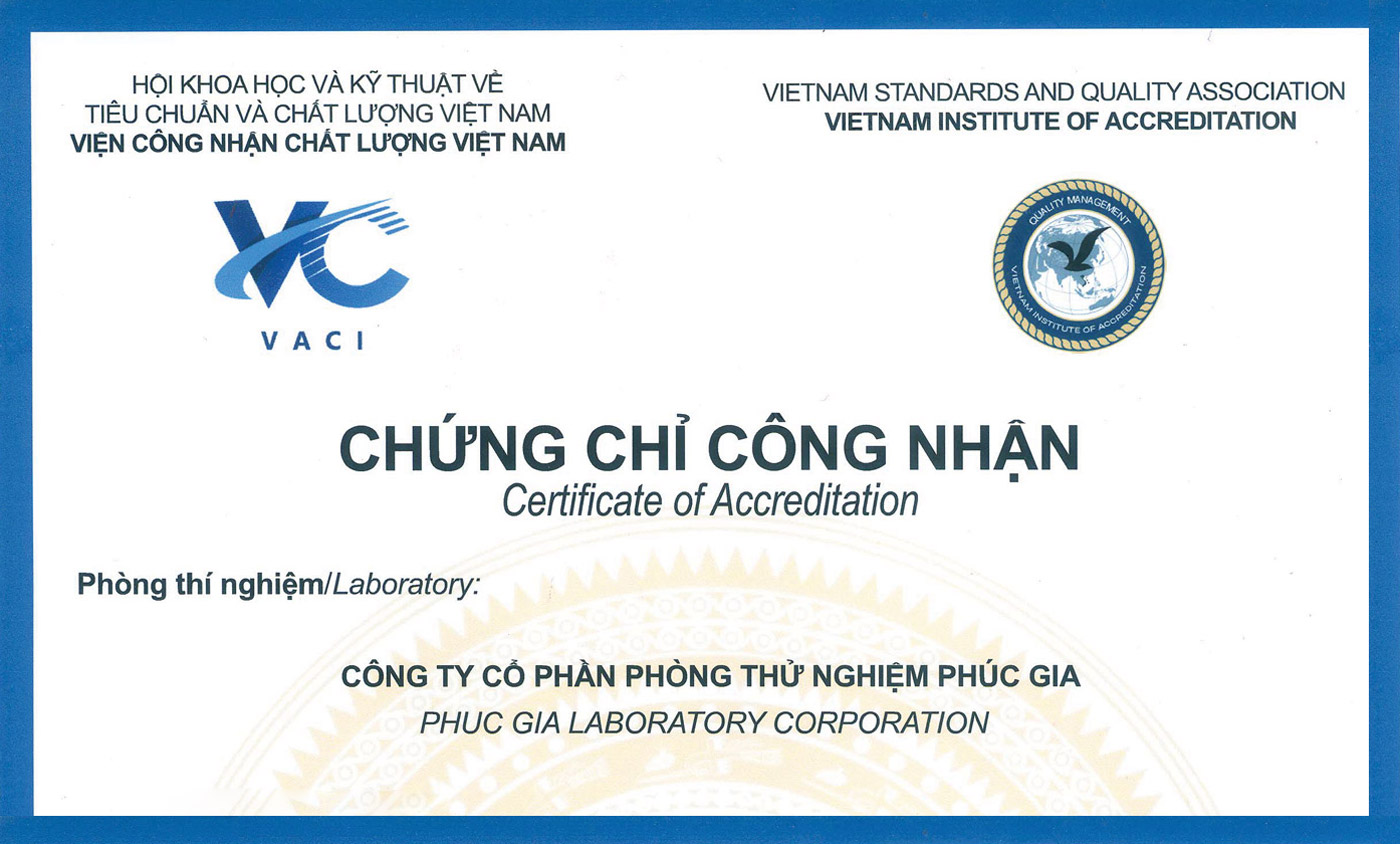
Under the QCVN 25:2025/BKHCN framework, official test reports for the conformity certification of circuit breakers are only valid if issued by a designated or recognized testing body as per Article 3.8. For domestic operations, the standards are defined as follows:
Designated Testing Organizations: These are entities officially appointed under Decree No. 132/2008/ND-CP and its subsequent amendments (Decree No. 74/2018/ND-CP and Decree No. 154/2018/ND-CP).
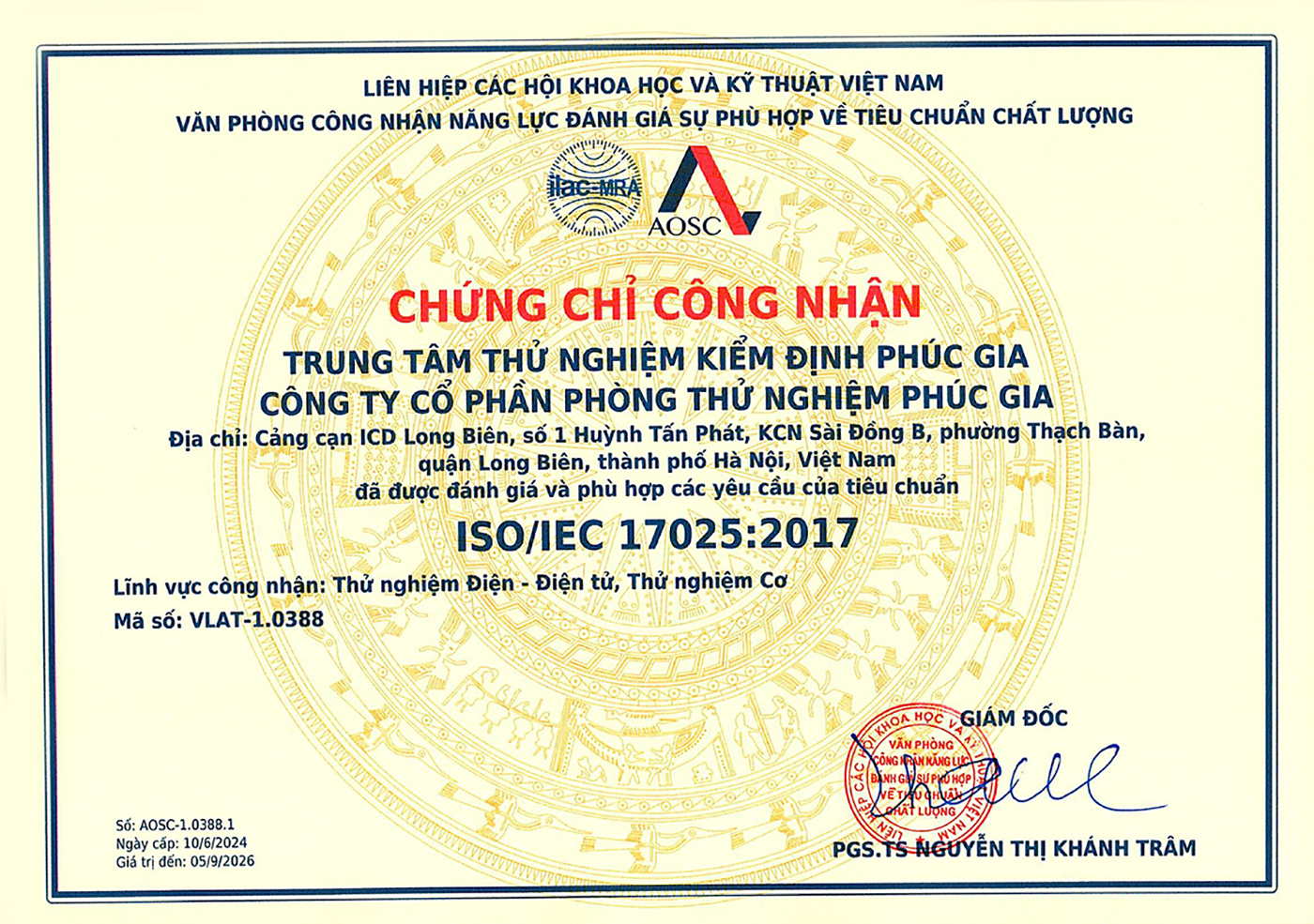
Beyond the domestic system, QCVN 25:2025/BKHCN permits the use of international test results within a recognized scope. This is applicable only if the laboratory complies with ISO/IEC 17025 and is accredited by an APAC or ILAC member body. Certification organizations may enter into mutual recognition agreements or utilize data from these units as regulated.
With the exception of internal manufacturer testing, all critical assessments for Testing for Circuit Breakers in Vietnam must be conducted by these authorized organizations. This ensures the legal integrity and technical reliability required for successful conformity certification and the legal distribution of products within the Vietnamese market.
RELATED POSTS
- Guidance on Testing for Extension Cord Sets according to QCVN 25:2025/BKHCN
- Guidance on Testing for Socket-outlets according to QCVN 25:2025/BKHCN
- Guidance on Testing for Plugs according to QCVN 25:2025/BKHCN
- Guidance on Testing for Electrical Switches according to QCVN 25:2025/BKHCN
- Guidance on Testing for Circuit Breakers according to QCVN 25:2025/BKHCN
For more details, please contact us at:
PHUC GIA LABORATORY CORPORATION
PHUC GIA CERTIFICATION CENTER
PHUC GIA INSPECTION TESTING CENTER
Hotline: 0965996696 / 0982996696 / 02477796696
E-mail: lab@phucgia.com.vn/cert@phucgia.com.vn/info@phucgia.com.vn
Website: phucgia.com.vn
Working time: Monday to Friday 8:00 – 18:30; Saturday 8:00 – 12:00

![QUOTATION – Testing and Other Certification Services [2026]](https://phucgia.com.vn/wp-content/uploads/2017/03/bao-gia-thu-nghiem-chung-nhan.png)