

A Draft on Energy Efficiency is a legal document created to propose regulations, standards, and guidelines concerning the efficient use and conservation of energy. This draft’s purpose is to enhance energy efficiency across diverse sectors, from residential to industrial, aiming to mitigate the negative impacts of climate change, protect the environment, and ensure consumer safety.
In a global context increasingly focused on optimizing energy utilization to safeguard the environment and reduce climate change impacts, energy efficiency has become an indispensable factor in developing and managing both industrial and consumer equipment. Within this framework, the Draft on Energy Efficiency was formulated to establish standards and procedures for testing and certifying energy-using equipment.
Phuc Gia’s article below will offer an overview of the energy efficiency concept, the purpose and necessity of promulgating a Draft on Energy Efficiency, and the relationship between domestic and foreign draft standards and existing regulations.
See more: Capacity Profile Of Phuc Gia Laboratory Corporation
1. Terms and Definitions
Draft: A preliminary version prepared by an individual or organization entitled to submit the draft they have compiled, prepared in stages for an organization with authority to approve and promulgate.
Draft law: A preliminary version of an act, prepared by an agency, organization, or individual with the right to submit a law project, compiled according to the stages of the strict legal document promulgation process stipulated by law, for submission to the National Assembly for consideration, decision on approval, and promulgation.
Energy: includes fuel, electrical energy, and thermal energy obtained directly or via processing from non-renewable and renewable energy resources (Clause 1, Article 3, Law on Economical and Efficient Use of Energy 2010).
Energy efficiency: is an indicator representing the capability of means and equipment to convert utilized energy into useful energy (Clause 1, Article 3, Law on Economical and Efficient Use of Energy 2010).
2. Purpose of Promulgating the Draft on Energy Efficiency
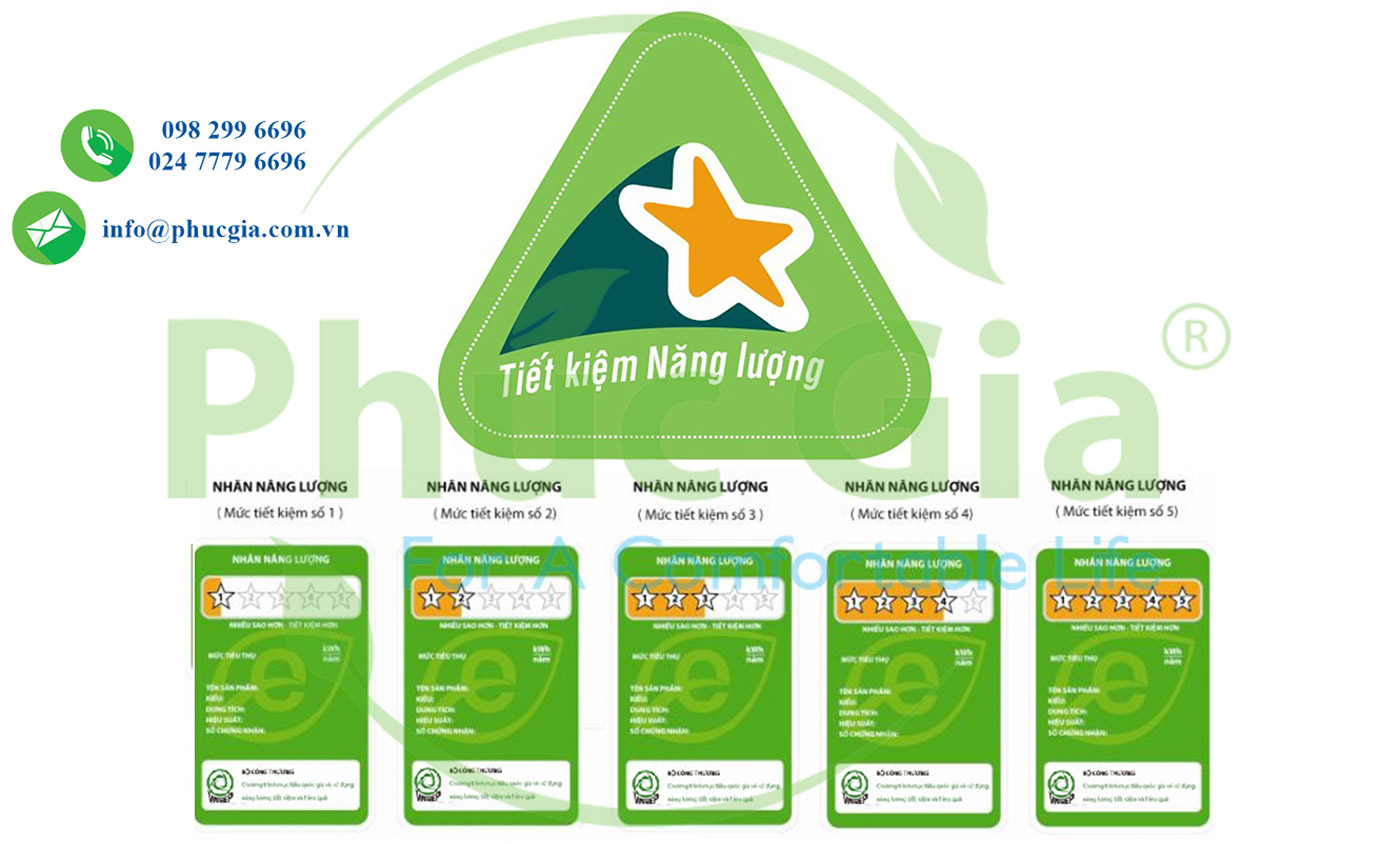
To resolve issues related to the power consumption of electrical equipment, the promulgation of a Draft on Energy Efficiency is an essential step. These drafts allow for assessing the feasibility and appropriateness of requirements prior to their official application, thereby minimizing risks and difficulties for businesses during implementation. Publicizing Drafts on Energy Efficiency helps organizations better prepare for compliance with new standards and promotes the voluntary adoption of energy-saving solutions before formal regulations come into force.
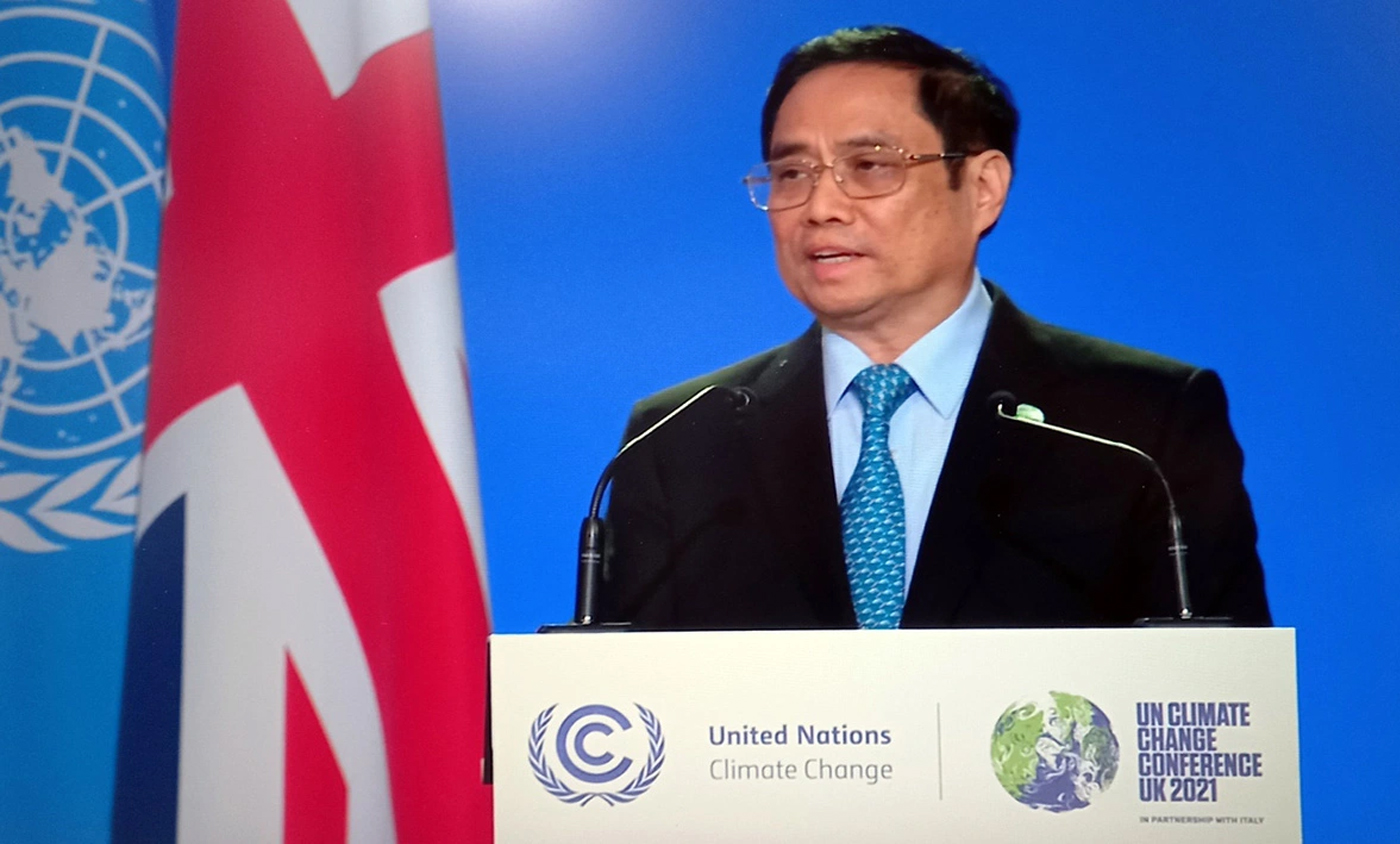
Vietnam has made strong commitments at COP 26 to achieve net-zero greenhouse gas emissions by 2050. The Prime Minister also issued Decision No. 888/QĐ-TTg on July 25, 2022, approving the plan to implement the outcomes of the 26th Conference of the Parties to the United Nations Framework Convention on Climate Change. Various Ministries and branches are currently implementing measures to achieve this common commitment.
The economical and efficient use of energy is a critical solution contributing to greenhouse gas mitigation while continuing to meet energy demands. Phase 2 of the National Program on economical and efficient use of energy for the 2019-2030 period (approved via Decision No. 280/QĐ-TTg on March 13, 2019) has helped enhance the efficiency of many electrical devices and saved approximately 100 million kWh.
To continue achieving the National Program’s objectives, expanding the portfolio of energy labeling standards is necessary. Products such as vacuum cleaners, ovens, range hoods, hot and cold water dispensers, and clothes dryers all require research and the development of energy efficiency standards. The process of issuing a Draft on Energy Efficiency not only provides stakeholders with an opportunity to offer opinions and feedback but also ensures that the final standards are both feasible and practical for each specific device.
At present, Drafts on Energy Efficiency are formulated by referencing Vietnam Standards (TCVN), IEC international standards, and European Commission Regulation (EU) documents. These standards form the basis for voluntary energy labeling activities, product conformity certification, inspection of imported and exported goods, and the designation/registration of testing laboratories.
3. List of Products and Goods Requiring Energy Efficiency Testing/Assessment
According to Decision No. 14/2023/QĐ-TTg, which stipulates the list of low-efficiency energy-using equipment to be eliminated and low-efficiency generator sets banned from new construction, the following are included:
− Household Appliance Group: Compact fluorescent lamps, electronic ballasts for fluorescent lamps, electromagnetic ballasts for fluorescent lamps, tubular fluorescent lamps, storage water heaters, infrared hobs, induction hobs, LED lamps, non-ducted air conditioners, household washing machines, televisions, rice cookers, electric fans, refrigerators, cool cabinets, and freezers.
− Office and Commercial Equipment Group: Computer monitors, photocopiers, printers, notebook computers, desktop computers, and commercial refrigerators.
− Industrial Equipment Group: Three-phase squirrel-cage induction motors, distribution transformers, LED street and road lighting, boilers in industrial enterprises.
In the latest Draft on Energy Efficiency, the portfolio of equipment requiring energy labeling has been expanded for the household appliance group to include “Vacuum cleaners, ovens, range hoods, hot and cold water dispensers, clothes dryers,” and “Distribution transformers” under the industrial equipment group.
On April 10, 2024, the Ministry of Science and Technology (MOST) issued Decision 614/QĐ-BKHCN, announcing national standards on Energy Efficiency for vacuum cleaners, ovens, range hoods, hot and cold water dispensers, and clothes dryers, based on feedback from previously published drafts.
As of November 2024, MOST continues to issue drafts regarding Air purifiers, household washing machines, electric fans and cooling fans, and regulators for household and similar purposes. Please send any feedback or comments to the Vietnam Standards and Quality Institute before November 18, 2024.
For more details, please contact us at:
PHUC GIA LABORATORY CORPORATION
PHUC GIA CERTIFICATION CENTER
PHUC GIA INSPECTION TESTING CENTER
Address: ICD Long Bien, No. 01 Huynh Tan Phat, Sai Dong B Industrial Park, Long Bien Ward, Hanoi City, Vietnam.
Hotline: 0981 996 996/ 0982 996 696/ 024 7779 6696
E-mail: lab@phucgia.com.vn
Website: phucgia.com.vn
Working time: Monday to Friday 8:00 – 18:30; Saturday 8:00 – 12:00

![QUOTATION – Testing and Other Certification Services [2026]](https://phucgia.com.vn/wp-content/uploads/2017/03/bao-gia-thu-nghiem-chung-nhan.png)