

Electric Oven Import Procedures are an important step helping enterprises bring products into the country legally and quickly. However, this process requires careful preparation of documents, quality inspection, and compliance with legal regulations. In the article below, Phuc Gia will provide detailed instructions from A to Z so that enterprises can clearly understand and implement them effectively.
See more: Capacity Profile Of Phuc Gia Laboratory Corporation
1. Legal documents regulating the import of ovens today
To import ovens in accordance with regulations, enterprises must comply with many legal documents issued by management agencies. Below is a list of important documents that you must clearly understand when performing Electric Oven Import Procedures:
-
Decision No. 2711/QĐ-BKHCN: Promulgating the list of group 2 products and goods under the management responsibility of the Ministry of Science and Technology; issued by the Ministry of Science and Technology, effective from December 30, 2022.
-
Decision No. 367/QĐ-BKHCN: Supplementing the list of group 2 products managed by the Ministry of Science and Technology; issued by the Ministry of Science and Technology, effective from March 03, 2022.
-
Decision No. 3115/QĐ-BKHCN (2020): Amending Decision No. 3810/QĐ-BKHCN on announcing group 2 products and goods; issued by the Ministry of Science and Technology, effective from November 13, 2020.
-
Circular No. 38/2015/TT-BTC (amended by Circular No. 39/2018/TT-BTC): Regulating customs procedures, import-export taxes; issued by the Ministry of Finance, effective from April 01, 2025.
-
Consolidated Document No. 25/VBHN-BTC: Comprehensive guidance on Administrative Procedures for customs, inspection, and import-export taxes; issued by the Ministry of Finance.
-
Circular No. 06/2020/TT-BKHCN: Guiding the implementation of decrees related to the quality management of group 2 products; issued by the Ministry of Science and Technology, effective from December 10, 2020.
-
Circular No. 21/2016/TT-BKHCN: Amending QCVN 4:2009/BKHCN – national technical regulation on the safety of electrical and electronic equipment; issued by the Ministry of Science and Technology, effective from December 15, 2016.
-
Circular No. 21/2009/TT-BKHCN: Promulgating QCVN on the safety of electrical and electronic equipment; issued by the Ministry of Science and Technology, effective from September 30, 2009.
-
VAT Law No. 13/2008/QH12: General regulations on value-added tax; issued by the National Assembly, effective from June 03, 2008.
-
Food Safety Law No. 55/2010/QH12: Regulating the assurance of food safety for food-contact equipment; issued by the National Assembly, effective from June 17, 2010.
-
Decree No. 15/2018/NĐ-CP: Detailed guidance on the Food Safety Law; issued by the Government, effective from February 02, 2018.
-
Circular No. 19/2012/TT-BYT: Guiding the declaration of conformity/compliance with food safety regulations; issued by the Ministry of Health, effective from July 11, 2012.
-
QCVN 12-1:2011/BYT – 12-4:2015/BYT: National technical regulations on food safety for packaging and food-contact tools made of plastic, rubber, metal, glass, and ceramics; issued by the Ministry of Health.
-
TCVN 5699-2-9:2010: Safety requirements for ovens, toasters, and portable cooking appliances; announced by the Ministry of Science and Technology.
-
TCVN 13971:2024: Regulation on electrical machines and electrical apparatus related to household appliances; issued by the Ministry of Science and Technology.
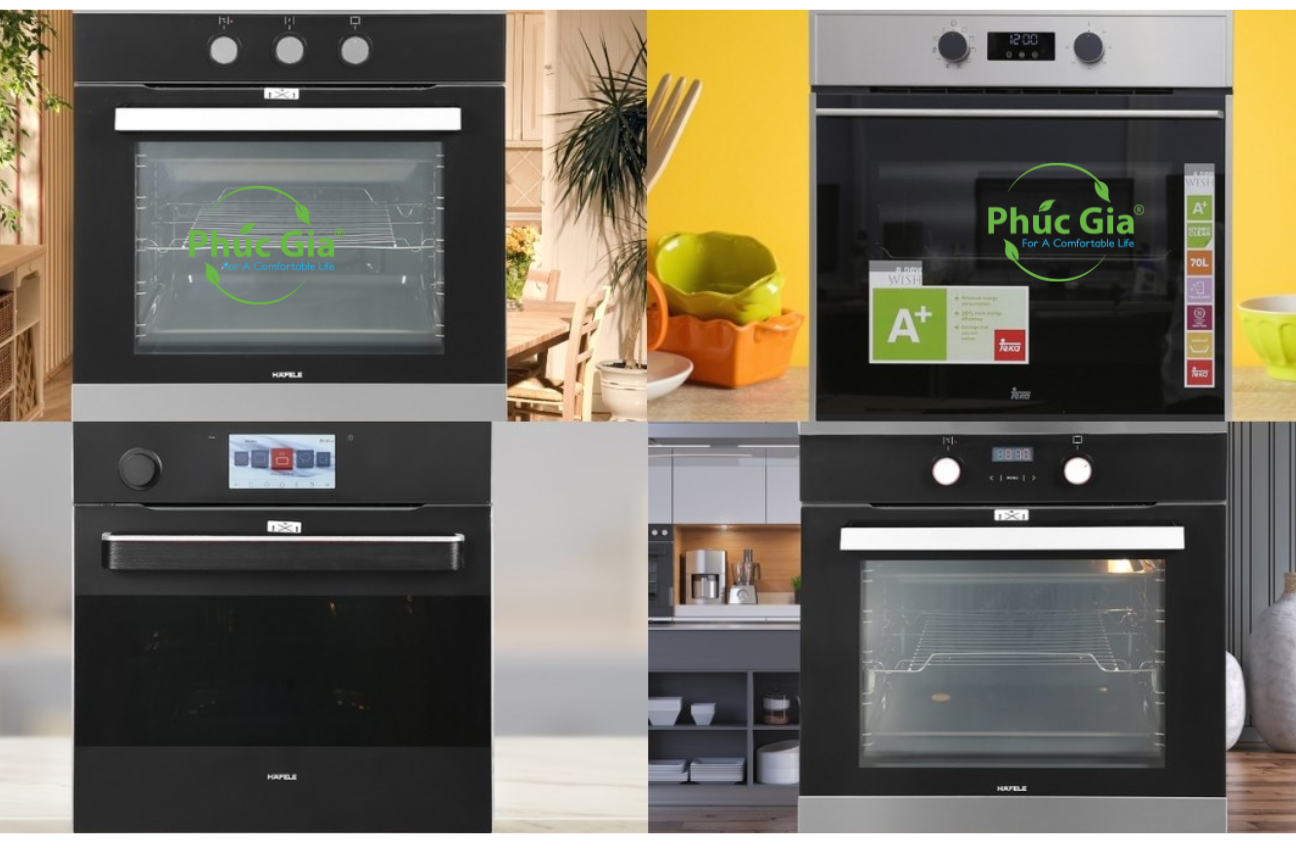
2. HS code and import tax for ovens
According to the General Department of Vietnam Customs, the HS code (Harmonized System code) is an important basis for determining tax rates and performing Electric Oven Import Procedures. Declaring the correct HS code not only helps enterprises calculate the correct tax but also avoids the risk of administrative penalties according to Decree No. 128/2020/NĐ-CP.
Below is a summary table of HS codes and import taxes for oven items based on data from the General Department of Vietnam Customs:
| Product | HS Code | Preferential tax rate | Special preferential tax | Ordinary tax |
| Toasters | 8516.72.00 | 25% | 25% | 37.5% |
Note:
- To enjoy special preferential import tax, enterprises must provide a certificate of origin (C/O) according to the appropriate FTA agreement.
- An incorrect HS code can lead to delayed customs clearance, being fined 2–3 times the tax amount, or slowing down the delivery schedule.
Accurately determining the HS code and tax rate is the first and most important step to import ovens legally, optimizing costs and time for the enterprise.
3. Required dossier set when importing ovens
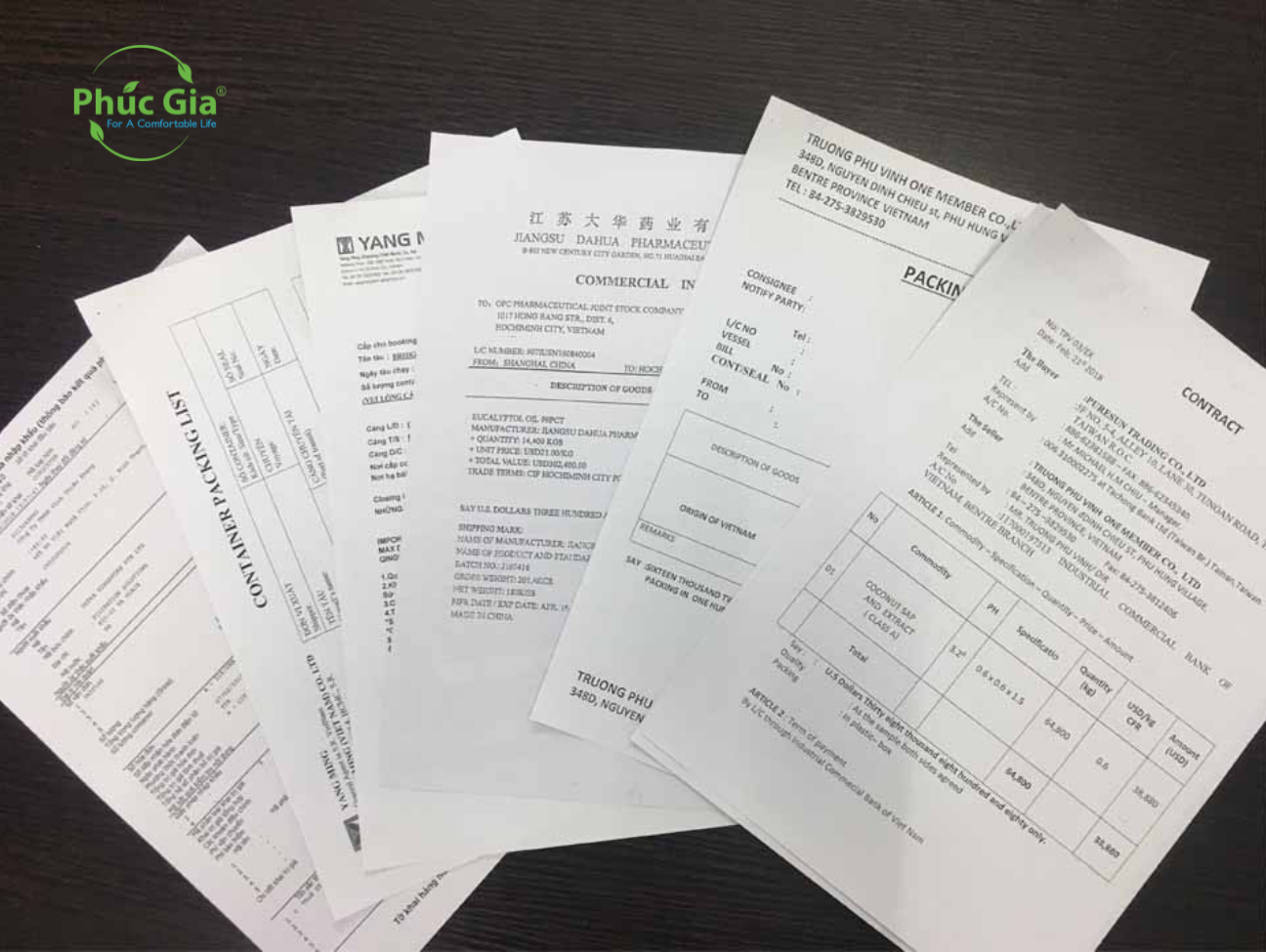
To import ovens, enterprises must prepare a dossier set in accordance with regulations at Section 2, Article 16, Circular No. 38/2015/TT-BTC – Regulating customs Administrative Procedures; customs inspection and supervision; export tax, import tax, and tax management for exported and imported goods, issued on March 25, 2015, and amended and supplemented in Circular No. 39/2018/TT-BTC issued on April 20, 2018, by the Ministry of Finance. The import-export document set for ovens includes the following basic customs documents:
- Customs declaration
- Bill of Lading
- Commercial Invoice
- Packing List
- Sales Contract
- Registration dossier for quality inspection
- Certificate of Origin (if any)
- Product Catalog (if any)
Note: Enterprises must make the customs declaration within 30 days from the date the goods arrive at the port. Overdue declarations will be penalized according to regulations.
4. Oven import process
When importing ovens into Vietnam, enterprises must comply with a strict process to ensure goods are cleared quickly and legally. Below is a detailed guide to the steps in the process of performing Electric Oven Import Procedures, helping enterprises perform procedures correctly, avoid risks, and save costs.
4.1. Step 1: Registration for quality inspection
This is a mandatory step in the process of performing Electric Oven Import Procedures, aiming to ensure that goods fully meet technical and safety standards before customs clearance. Enterprises need to proceed with quality inspection registration at a testing laboratory (TL) designated by competent authorities, so that goods are tested accurately and objectively according to current regulations.
4.2. Step 2: Opening the declaration
After customs declaration, the system will categorize the declaration into green, yellow, or red channels, thereby determining the appropriate processing workflow. The importer needs to quickly open the declaration at the Customs Branch within 15 days from the date of declaration. If overdue, the declaration will be canceled and the enterprise will be penalized according to regulations.
4.3. Step 3: Testing & Conformity Certification
After completing the initial procedures at the port, the enterprise needs to proceed to take product samples for testing at a testing laboratory designated by the Ministry of Science and Technology. Testing and conformity certification for ovens is a mandatory step for electric ovens to be allowed for legal circulation on the Vietnamese market.
Specifically, the enterprise needs to perform:
- Electrical safety testing according to technical indicators regulated in QCVN 4:2009/BKHCN, aiming to evaluate the safety level of the product during operation.
- Energy efficiency testing to determine electricity use efficiency and energy-saving ratings, ensuring transparent information for consumers.
- Energy labeling and conformity certification based on test results. The conformity certificate is the legal basis for the product to be declared for conformity and circulated.
During this process, the enterprise will need to submit the test sample reception slip to customs to be allowed to take samples from the shipment. Test results and conformity certification will be a prerequisite before customs clearance or bringing goods to the market. If the enterprise wants to bring goods to the warehouse before testing, please contact Phuc Gia immediately for detailed advice on accompanying conditions and procedures.
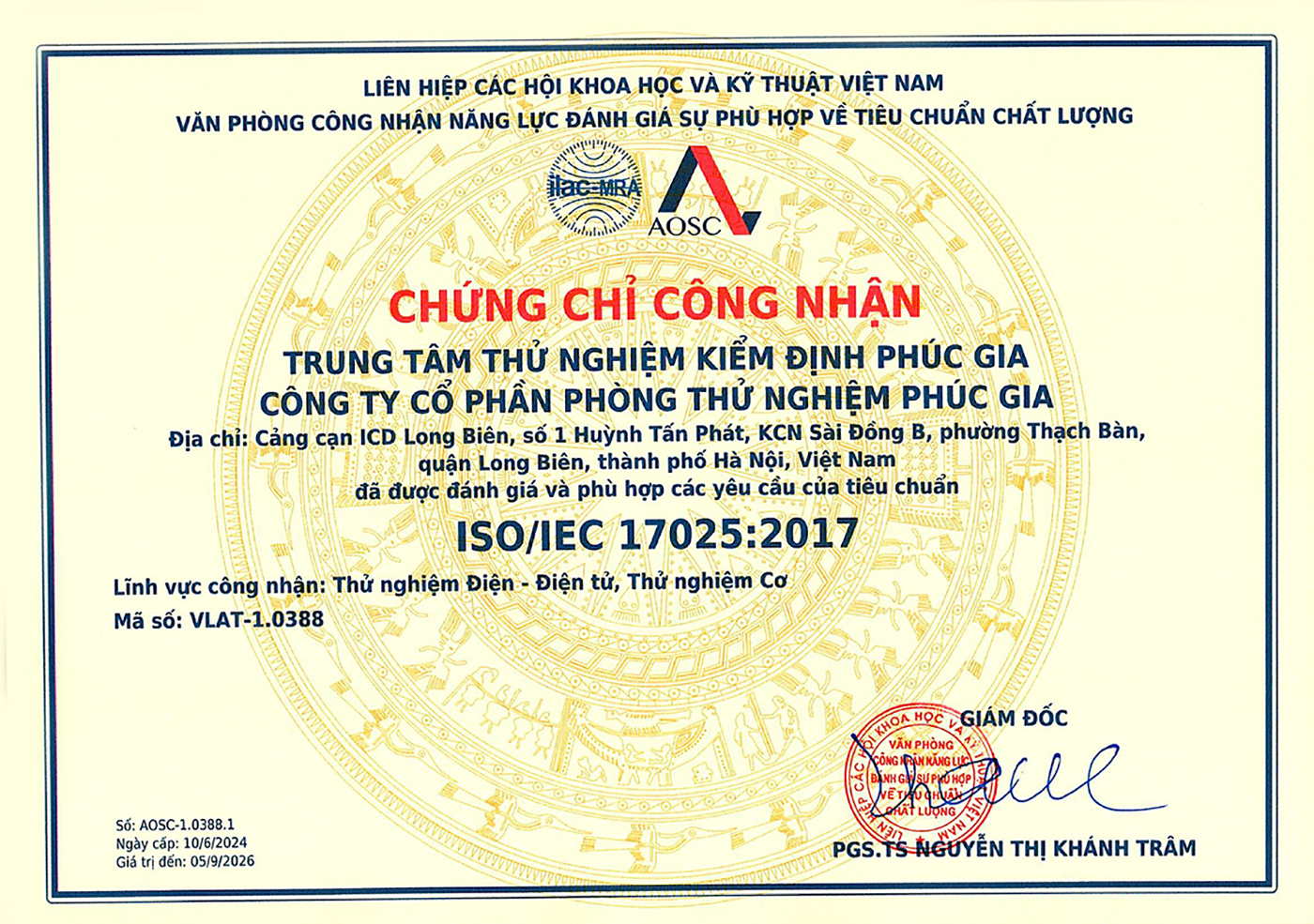
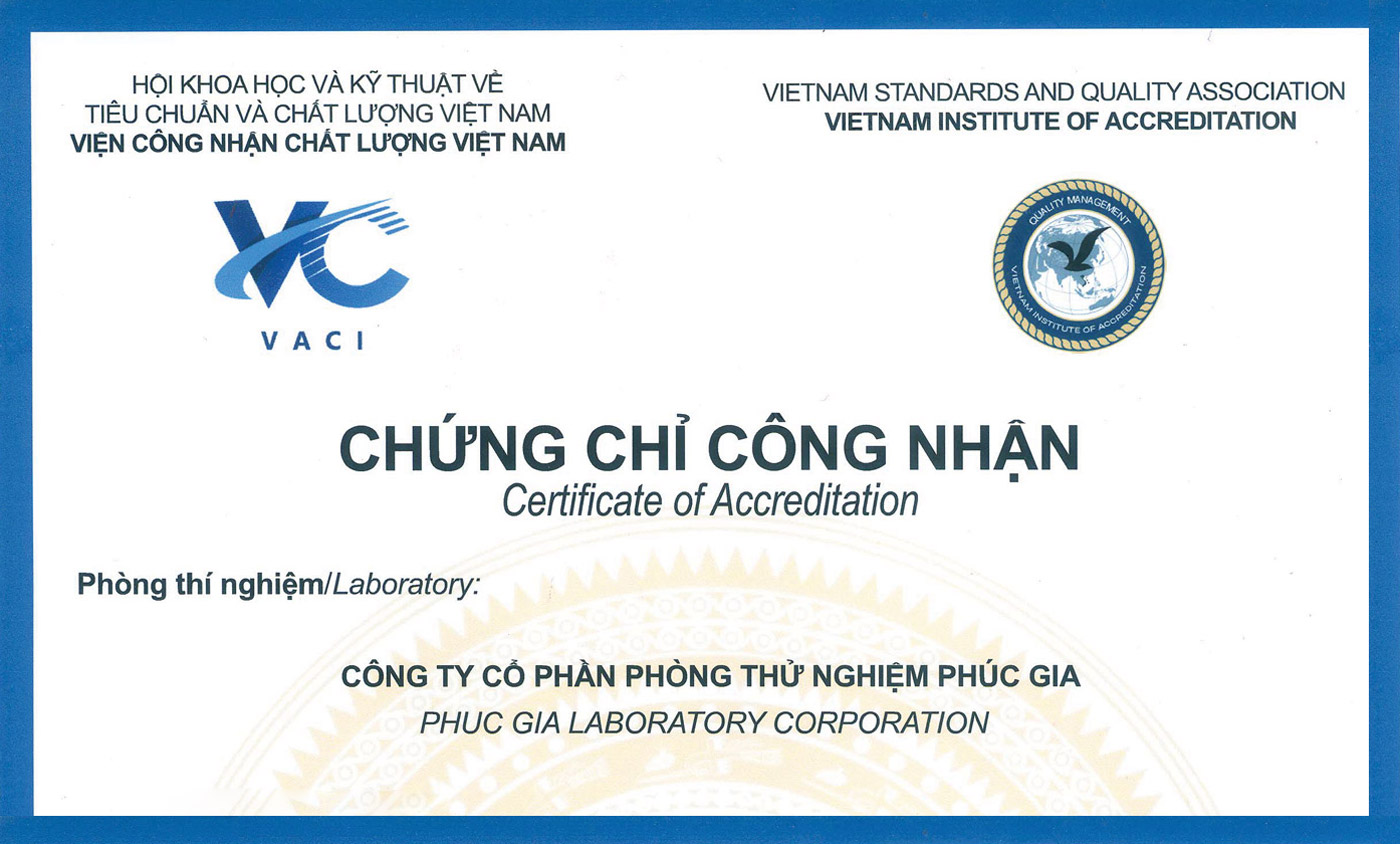
Currently, Phuc Gia has been designated by the Ministry of Science and Technology and the Ministry of Industry and Trade to test according to QCVN 4:2009/BKHCN and energy efficiency, and at the same time has been granted a License for conformity certification activities according to QCVN 4. Therefore, with more than 10 years of experience in the field of testing, conformity certification – standard certification, Phuc Gia will directly accompany the enterprise in each step: from preparing the dossier, performing testing, and certification, until the product is validly circulated on the market.
Phuc Gia commits to bringing fast, accurate solutions that comply with legal regulations and optimize costs, helping enterprises feel secure when bringing goods to the warehouse for storage, while ensuring the entire process of importing and circulating products on the market takes place smoothly without arising obstacles.

4.4. Step 4: Customs declaration clearance
The customs authority will inspect the customs documents. If complete and accurate, the enterprise will pay taxes and the declaration will be cleared. In special cases, the declaration can be opened in advance to bring goods to the warehouse, then the dossier is supplemented later. If the clearance deadline passes without completion, the enterprise may face administrative penalties.
4.5. Step 5: Bringing goods to the warehouse
After the declaration is cleared, the enterprise proceeds with the procedures to receive the goods and transport the electric ovens to the storage or distribution warehouse.
5. Notes during the oven importation process
When performing Electric Oven Import Procedures, enterprises need to clearly understand certain regulations to avoid legal and cost risks. Below are important points to note when importing ovens:
- Only 100% new goods are allowed for import – used electric ovens and grills are on the prohibited list.
- Quality inspection is not required if the oven weighs over 18kg.
- Goods must be labeled according to customs regulations before being brought to the market.
- Fully completing tax obligations is a mandatory condition for customs clearance.
- Accurately determining the HS code to avoid tax arrears or administrative penalties.
Above is the detailed guide on Electric Oven Import Procedures from A to Z to help enterprises perform them quickly and accurately. We hope the information shared by Phuc Gia will support you in avoiding errors and optimizing the import process. For professional technical advice and support regarding inspection and certification of imported products, please contact Phuc Gia Laboratory Corporation immediately — a prestigious unit with a modern testing laboratory system and a team of experienced experts.
For more details, please contact us at:
PHUC GIA LABORATORY CORPORATION
PHUC GIA CERTIFICATION CENTER
PHUC GIA INSPECTION TESTING CENTER
Address:
- Hanoi: ICD Long Bien, No. 01 Huynh Tan Phat, Sai Dong B Industrial Park, Long Bien Ward
- Ho Chi Minh City: No. 180, D2 Street, Long Truong Ward
Hotline: 0965996696 / 0982996696 / 02477796696
E-mail: lab@phucgia.com.vn/cert@phucgia.com.vn/info@phucgia.com.vn
Website: phucgia.com.vn
Working time: Monday to Friday 8:00 – 18:30; Saturday 8:00 – 12:00

![QUOTATION – Testing and Other Certification Services [2026]](https://phucgia.com.vn/wp-content/uploads/2017/03/bao-gia-thu-nghiem-chung-nhan.png)