

Technological advancements have brought numerous improvements to electric hob products, from precise temperature control and automatic overheat shut-off functions to smart cooking modes that save time and energy. This has enabled electric hobs—especially induction and infrared hobs—to replace traditional gas stoves, while simultaneously driving increasingly higher requirements for quality management and compliance with the Legal Regulations for Electric Hobs in Vietnam before the products are circulated on the market.
See more: Capacity Profile Of Phuc Gia Laboratory Corporation
Table 1: Testing Requirements for Electric Hobs

Gaining a clear understanding of the requirements for testing, certification, Declaration of Conformity, and Energy Labeling allows businesses to take a proactive approach to their manufacturing, importing, and distribution strategies. In this comprehensive guide, Phuc Gia® provides a detailed overview of the Legal Regulations for Electric Hobs in Vietnam—with a specific focus on induction and infrared cooktops. Our aim is to help enterprises navigate and accurately execute the mandatory compliance workflows for legal market circulation under the latest 2026 statutory frameworks.
Table 2: Procedures for Implementing Licenses for Electric Hobs

I. WHAT ARE ELECTRIC HOBS, INDUCTION HOBS, AND INFRARED HOBS?
Based on TCVN 13372:2021 and TCVN 13373:2021, a Hob is a device or part of a device that includes one or more cooking zones and/or cooking areas, including the control unit. Accordingly, an Electric Hob can be understood as a smart cooking device that operates on the principle of converting electrical energy into thermal energy to heat the pot and cook food. There are currently three most popular types of electric hobs on the market: induction hobs, infrared hobs, and combined induction-infrared hobs.
Induction Hobs are a type of hob that uses direct magnetic induction for heating instead of relying on heat conduction, convection, or indirect radiation methods. When in use, heat is transferred by electromagnetic currents located beneath the glass surface to the induction-compatible cookware (pots or pans) placed on the cooking surface.
Infrared Hobs (radiant hobs) are a type of hob with at least one radiant cooking zone. This device operates on the principle of thermal radiation from infrared rays. Specifically, the electric current heats an internal resistance coil to generate heat, which is then transmitted as infrared radiation to the cooking surface, heating the pot and the food inside. Infrared hobs can use a wider variety of cookware (ceramic, ferromagnetic, aluminum, etc.) compared to induction hobs.
Pursuant to Decision No. 2711/QĐ-BKHCN announcing Group 2 products and goods under the management responsibility of the Ministry of Science and Technology (issued on December 30, 2022), the HS Code for electric hobs (including induction hobs) is specified as 8516.60.90.

II. LEGAL REGULATIONS FOR ELECTRIC HOBS IN VIETNAM
Detailed information regarding regulations, procedures, and dossiers related to testing, conformity certification, declaration of conformity, and energy labeling is summarized by Phuc Gia® below, specifically applied to the electric hob product group, including infrared hobs and induction hobs.
1. Procedures for Implementing Licenses for Electric Hobs
1.1. For Imported Electric Hobs
| MANAGING MINISTRY | FOR IMPORTED ELECTRIC HOBS | |
| Implementing Steps | Authorizing/Implementing Body | |
| MINISTRY OF INDUSTRY AND TRADE | – Step 1: Register for Energy Efficiency (EE) testing (To collect goods for testing) | Phuc Gia® |
| – Step 2: Energy Efficiency testing | Phuc Gia® | |
| – Step 3: Declaration (registration) of Energy Labeling | Ministry of Industry and Trade | |
| – Step 4: Affix Energy Label (before circulating on the market) | The enterprise self-implements after submitting the declaration dossier for Energy Labeling | |
| MINISTRY OF SCIENCE AND TECHNOLOGY | – Step 1: State control registration (*) | Local Department of Standards, Metrology and Quality / Department of Science and Technology where the declaration is opened |
| – Step 2: Regulation conformity testing | Phuc Gia® | |
| – Step 3: Regulation conformity certification (**) | Phuc Gia® | |
| – Step 4: Submit the certificate of conformity and related documents to the registration authority from Step 1 | Local Department of Standards, Metrology and Quality / Local Department of Science and Technology where the declaration is opened | |
| – Step 5: Affix the conformity stamp (before circulating on the market) | The enterprise self-implements after being licensed | |
Notes:
EE: Energy Efficiency; EL: Energy Labeling; Phuc Gia®: Phuc Gia Laboratory Corporation.
(*) Online Submission: Submission for State Inspection is conducted online via https://vnsw.gov.vn/.
(**) QCVN 9:2012/BKHCN – Certification according to Method 1: Typical sample testing, the Certificate (GCN) is valid for 3 years.
QCVN 4:2009/BKHCN – Certification: Certification is conducted according to Method 5 or Method 7.
– Method 5: Includes factory assessment, sample sealing, testing of a representative sample, Certificate (GCN) valid for 3 years, with periodic surveillance not exceeding once every 12 months.
– Method 7: Includes batch inspection, sample sealing, testing of a batch representative sample, Certificate (GCN) only valid for the specific batch.
1.2. For Domestically Manufactured Electric Hobs
| MANAGING MINISTRY | FOR DOMESTICALLY MANUFACTURED ELECTRIC HOBS | |
| Implementing Steps | Authorizing/Implementing Body | |
| MINISTRY OF INDUSTRY AND TRADE | – Step 1: Energy Efficiency (EE) testing | Phuc Gia® |
| – Step 2: Declaration (registration) of Energy Labeling | Ministry of Industry and Trade | |
| – Step 3: Affix Energy Label (before circulating on the market) | The enterprise self-implements after submitting the declaration dossier for Energy Labeling | |
| MINISTRY OF SCIENCE AND TECHNOLOGY | – Step 1: Regulation conformity testing | Phuc Gia® |
| – Step 2: Regulation conformity certification (**) | Phuc Gia® | |
| – Step 3: Declaration of conformity | Local Department of Standards, Metrology and Quality / Department of Science and Technology (where the business is registered) | |
| – Step 4: Affix the conformity stamp (before circulating on the market) | The enterprise self-implements after being licensed | |
Notes:
EE: Energy Efficiency; EL: Energy Labeling; Phuc Gia®: Phuc Gia Laboratory Corporation.
(*) Online Submission: Submission for State Inspection is conducted online via https://vnsw.gov.vn/.
(**) QCVN 9:2012/BKHCN – Certification according to Method 1: Typical sample testing, the Certificate (GCN) is valid for 3 years.
QCVN 4:2009/BKHCN – Certification: Certification is conducted according to Method 5 or Method 7.
– Method 5: Includes factory assessment, sample sealing, testing of a representative sample, Certificate (GCN) valid for 3 years, with periodic surveillance not exceeding once every 12 months.
– Method 7: Includes batch inspection, sample sealing, testing of a batch representative sample, Certificate (GCN) only valid for the specific batch.
2. Legal Regulatory Documents
| MINISTRY OF INDUSTRY AND TRADE | MINISTRY OF SCIENCE AND TECHNOLOGY |
| – Decision No. 14/2023/QĐ-TTg – “Decision on the promulgation of the List and roadmap for energy-using facilities and equipment to be eliminated and low-efficiency generating sets not allowed for new construction,” issued on May 24, 2023.
– Decision No. 04/2017/QĐ-TTg – “Decision providing the list of vehicles and equipment subject to mandatory energy labeling, applicable minimum energy performance standards, and the implementation roadmap.” – Circular No. 36/2016/TT-BCT – “Regulations on energy labeling for energy-using vehicles and equipment under the management of the Ministry of Industry and Trade,” issued on December 28, 2016 (along with Consolidated Document No. 23/VBHN-BCT dated March 24, 2020). – Decision No. 1725/QĐ-BCT of 2024 regarding the “List of items subject to energy efficiency inspection and energy labeling under the management responsibility of the Ministry of Industry and Trade,” issued on July 01, 2024. |
– Decision No. 2711/QĐ-BKHCN dated December 30, 2022, of the Ministry of Science and Technology on the announcement of Group 2 products and goods.
– Decision No. 1983/QĐ-TĐC dated October 15, 2014, of the Ministry of Science and Technology on the issuance of guidelines for certification of conformity with the national technical regulation QCVN 9:2012/BKHCN on Electromagnetic Compatibility (EMC) for household and similar electrical and electronic equipment. – Circular No. 11/2012/TT-BKHCN dated April 12, 2012, of the Ministry of Science and Technology on the issuance of QCVN 9:2012/BKHCN. List of items subject to testing according to QCVN 9:2012/BKHCN. – Circular No. 13/2013/TT-BKHCN dated April 12, 2013, of the Ministry of Science and Technology on amending and supplementing a number of articles of Circular 21/2011/TT-BKHCN, Circular 10/2012/TT-BKHCN, and Circular No. 11/2012/TT-BKHCN. – Circular No. 07/2018/TT-BKHCN dated June 06, 2018, of the Ministry of Science and Technology on Amendment 1:2018 QCVN 9:2012/BKHCN – National technical regulation on Electromagnetic Compatibility for household and similar electrical and electronic equipment. – Circular No. 01/2022/TT-BKHCN amending Circular No. 07/2018/TT-BKHCN and Circular No. 08/2019/TT-BKHCN issued by the Minister of Science and Technology on February 16, 2022. – Circular No. 21/2009/TT-BKHCN dated September 30, 2009, of the Ministry of Science and Technology issuing and implementing the “National technical regulation on safety for electrical and electronic equipment”. – Circular No. 28/2012/TT-BKHCN dated September 30, 2009, of the Ministry of Science and Technology regarding regulations for declaration of conformity to standards and technical regulations and methods for conformity assessment (QCVN 4:2009/BKHCN). – Circular No. 21/2016/TT-BKHCN dated December 15, 2016, of the Ministry of Science and Technology issuing Amendment 1:2016 QCVN 4:2009/BKHCN – National technical regulation on Safety for electrical and electronic equipment. – Circular No. 02/2017/TT-BKHCN dated March 31, 2017, of the Ministry of Science and Technology promulgating regulations on declaration of conformity to standards and technical regulations and methods for conformity assessment. – Circular No. 06/2020/TT-BKHCN dated December 10, 2020, of the Ministry of Science and Technology providing instructions and measures for the implementation of Decrees 132/2008/NĐ-CP, 74/2018/NĐ-CP, 154/2018/NĐ-CP, and 119/2017/NĐ-CP. => Electric hobs – Induction hobs – Infrared hobs are in the list of items subject to quality inspection according to: |
3. Types of Licenses for Implementing
| MINISTRY OF INDUSTRY AND TRADE | MINISTRY OF SCIENCE AND TECHNOLOGY |
| – Registration for Energy Efficiency Testing (To release goods for testing);
– Energy Efficiency Testing; – Declaration of Energy Efficiency Labeling. => Affix the energy label before circulating products on the market. |
– Registration for State Quality Inspection of goods.
– Product testing according to QCVN 9:2012/BKHCN & Amendment 1:2018; and QCVN 4:2009/BKHCN & Amendment 1:2016. – Conformity Certification. – Declaration of Conformity. – Affixing the Conformity Mark (CR Mark). => State quality inspection registration, conformity certification, declaration of conformity, and affixing conformity marks are mandatory requirements for electric hobs, induction hobs, and infrared hobs before being circulated on the market. |
4. Types of Electric Hobs within the Scope of Application
| MINISTRY OF INDUSTRY AND TRADE | MINISTRY OF SCIENCE AND TECHNOLOGY |
| – Pursuant to TCVN 13372:2021: Applies to induction hobs – This standard also applies to induction hobs integrated with other types of cooking zones, such as radiant cooking zones.
– Pursuant to TCVN 13373:2021: Applies to infrared hobs – This standard also applies to infrared hobs integrated with other types of cooking zones, such as induction cooking zones. |
– CISPR 14-1:2016 applies to radio-frequency disturbance emissions in the frequency range of 9 kHz to 400 GHz emitted from electric hobs (infrared hobs, induction hobs). – Vietnam National Standard TCVN 5699-2-9:2004 (IEC 60335-2-9:2002, with Amendment 1:2004) regarding household and similar electrical appliances – safety – part 2-9: Safety regulations for portable electric appliances for cooking food in households, such as baking, roasting, and grilling, with a rated voltage not exceeding 250 V. |
5. Date of Mandatory Application
| MINISTRY OF INDUSTRY AND TRADE | MINISTRY OF SCIENCE AND TECHNOLOGY |
| According to Decision No. 14/2023/QĐ-TTg, electric hobs, induction hobs, and infrared hobs must undergo energy efficiency testing according to TCVN 13372:2021 (Induction hobs) and TCVN 13373:2021 (Infrared hobs), effective from April 1, 2025. | – Circular No. 11/2012/TT-BKHCN promulgating QCVN 9:2012/BKHCN, applicable from June 1, 2014.
– Circular No. 28/2012/TT-BKHCN promulgating QCVN 4:2009/BKHCN, applicable from November 14, 2009. |
6. Testing Regulations/Standards
| MINISTRY OF INDUSTRY AND TRADE | MINISTRY OF SCIENCE AND TECHNOLOGY |
| Application of TCVN 13372:2021 (Induction hobs) and TCVN 13373:2021 (Infrared hobs) is effective from April 1, 2025. | Testing for electric hobs – induction hobs – infrared hobs must comply with:
– QCVN 9:2012/BKHCN and Amendment 1:2018 QCVN 9:2012/BKHCN, ensuring technical requirements for testing electric hobs – induction hobs – infrared hobs according to TCVN 7492-1 (CISPR 14-1). – QCVN 4:2009/BKHCN and Amendment 1:2016 QCVN 4:2009/BKHCN, ensuring technical requirements for testing electric hobs – induction hobs – infrared hobs according to TCVN 5699-2-9:2004 (IEC 60335-2-9:2002, with Amendment 1:2004). |
7. Important Notes on Import, Production, and Business Policies
| MINISTRY OF INDUSTRY AND TRADE | MINISTRY OF SCIENCE AND TECHNOLOGY |
| – Enterprises manufacturing, importing, and trading electric hobs, induction hobs, and infrared hobs must submit energy labeling registration dossiers to the Ministry of Industry and Trade before bringing the products to the market.
– Test Report must, at a minimum, include the information specified in Annex E of TCVN 12218-2:2018 (IEC 60350-2:2017). |
Electric hobs with a mass exceeding 18 kg are exempt from quality inspection under the scope of Decision No. 2711/QĐ-BKHCN. |
Understanding and complying with the Legal Regulations for Electric Hobs in Vietnam is not only a mandatory requirement for products to be permitted for circulation in the Vietnamese market but also a key factor helping enterprises protect their reputation, minimize legal risks, and enhance competitiveness. Therefore, enterprises must fully comply with current regulations and regularly update changes in the legal system to ensure products operate safely and meet management requirements.
III. PHUC GIA®: COMPREHENSIVE SERVICES FOR ELECTRIC HOBS IN VIETNAM
| ORD | PHUC GIA® CAPACITY | MINISTRY OF INDUSTRY AND TRADE | MINISTRY OF SCIENCE AND TECHNOLOGY |
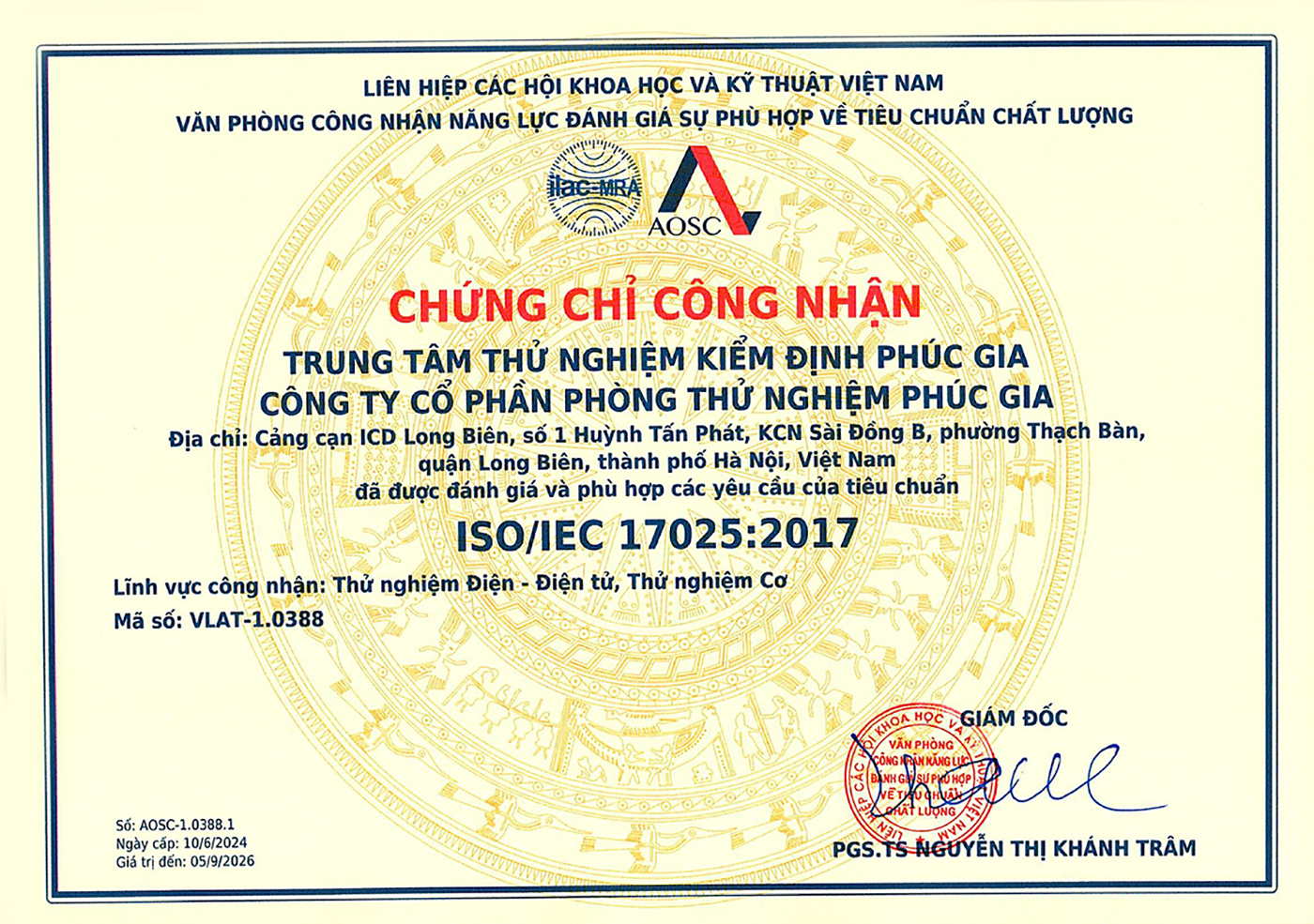
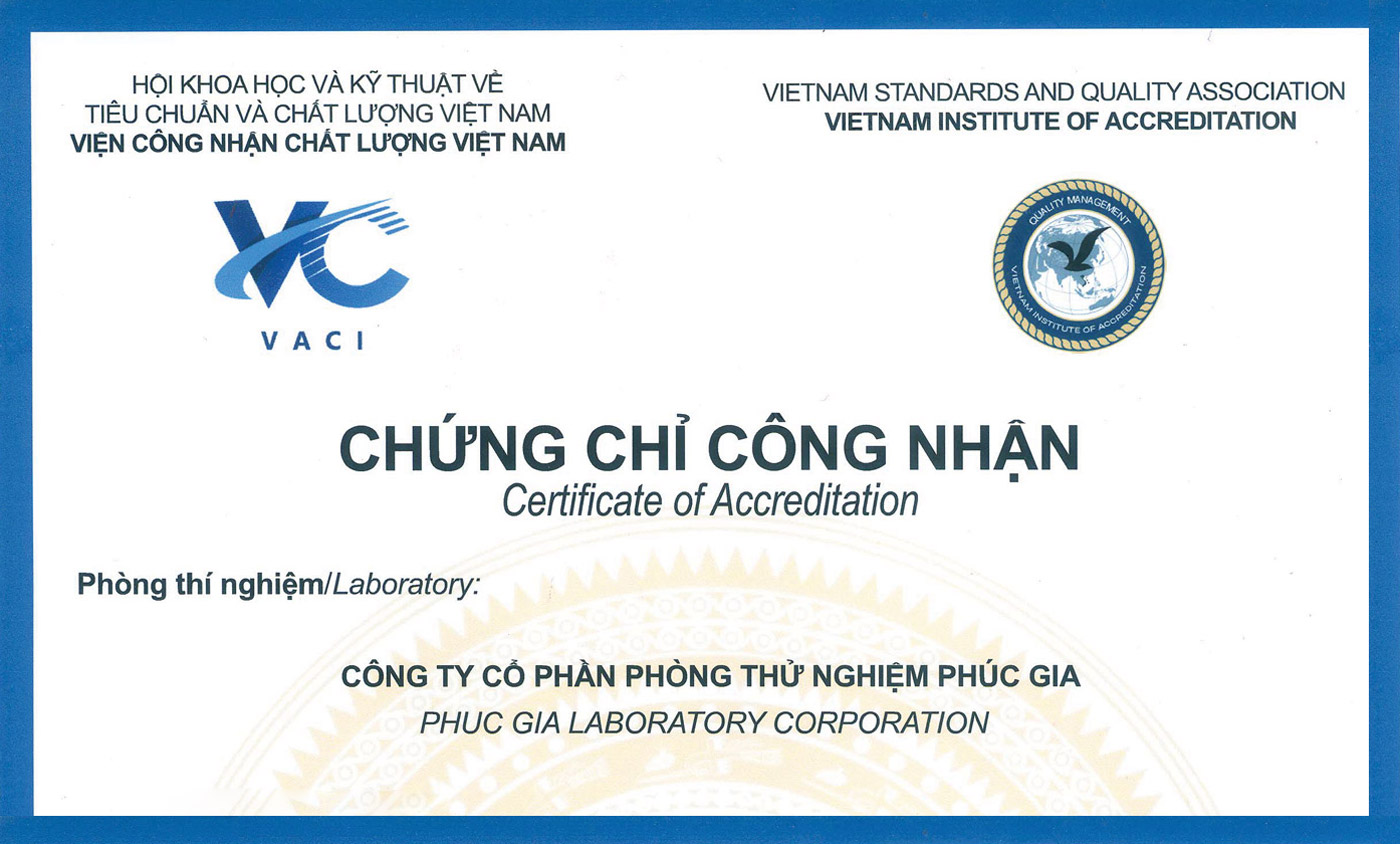
| 1 | Certification/ Designation | Phuc Gia®’s official designation is currently active and remains in full effect (Detail) | Phuc Gia®’s official designation for EMC Testing is currently active and remains in full effect (Detail) |
| 2 | Quotation and Duration for Tests | As listed here: QUOTATION – Testing and Other Certification Services [2026] | |
| 3 | Support | – Free 24/7 consultation service;
– Consultancy on product quality improvement. |
|
| 6 | Contact for Testing Services | For assistance with testing/certification services, please contact:
|
|
| Note: Phuc Gia Inspection & Testing Center directly performs conformity testing for electric hobs, induction hobs, and infrared hobs in accordance with the regulations of the Ministry of Industry and Trade and the Ministry of Science and Technology. Services such as Energy Labeling Declaration, etc., can be supported by Phuc Gia upon your request. | |||
RELATED POSTS
- Latest 2025-2026 Import Procedures for Induction Hobs
- Import Procedures for Infrared Hobs | Detailed A – Z
- Guidelines for Electromagnetic Compatibility (EMC) Testing for Electric and Induction Hobs according to QCVN 9:2012/BKHCN
- Electromagnetic Compatibility (EMC) Test Report for Electric Hobs – QCVN 9:2012/BKHCN
- Electromagnetic Compatibility (EMC) Test Results for Induction Hobs – QCVN 9:2012/BKHCN
- Product Certificate for Electric Hobs (Induction Hobs) according to QCVN 9:2012/BKHCN
- Guidelines for Energy Efficiency Testing and Inspection of Induction and Infrared Hobs according to Decision 14/2023/QĐ-TTg
- Energy Efficiency Test Report for Induction Hobs
For more details, please contact us at:
PHUC GIA LABORATORY CORPORATION
PHUC GIA CERTIFICATION CENTER
PHUC GIA INSPECTION TESTING CENTER
Hotline: 0965996696 / 0982996696 / 02477796696
E-mail: lab@phucgia.com.vn
Website: phucgia.com.vn
Working time: Monday to Friday 8:00 – 18:30; Saturday 8:00 – 12:00

![QUOTATION – Testing and Other Certification Services [2026]](https://phucgia.com.vn/wp-content/uploads/2017/03/bao-gia-thu-nghiem-chung-nhan.png)