

Electric Cable Import Procedures consist of 5 steps: Registering for quality inspection; Opening the declaration; Testing & Certification; Customs clearance of the declaration; and Bringing goods to the warehouse. To clear customs quickly and avoid warehousing costs, enterprises need to prepare an accurate set of dossiers including: Declaration, Contract, Invoice, Packing List, Bill of Lading, C/O, and Registration for quality inspection.
Electric cable items belong to HS code group 8544; depending on the specific product type, when imported into Vietnam, a common import tax rate of 5% to 25.5%, a preferential import tax rate of 0% to 30%, and 10% VAT will apply. Join Phuc Gia to learn in detail about regulations, HS codes, tax rates, dossiers, and import procedures for electric wires in the article below!
1. Electric cable import policy
100% brand new electric cables are not on the list of prohibited imports, but enterprises are mandatory to perform quality inspection according to QCVN 4:2009/BKHCN (Amendment 1:2016) on electrical safety.
Below are the legal documents regulating Electric Cable Import Procedures, along with information on the validity of relevant decisions:
- Circular No. 21/2009/TT-BKHCN dated September 20, 2009
- Circular No. 28/2012/TT-BKHCN dated December 20, 2012
- Circular No. 21/2016/TT-BKHCN dated December 15, 2016
- Decree No. 74/2018/NĐ-CP dated May 15, 2018
- Circular No. 06/2020/TT-BKHCN dated December 10, 2020
- Decision No. 1182/QĐ-BCT dated April 6, 2021
- Decision No. 2711/QĐ-BKHCN dated December 30, 2022

Based on current regulations, 100% brand new electric cables are not on the list of prohibited imports. However, to ensure a smooth customs clearance process, enterprises should pay special attention to:
-
Used electric cables are on the list of prohibited imports.
-
Perform State quality inspection on electrical safety according to the provisions of QCVN 4:2009/BKHCN and Amendment 1:2016 (applicable to low-voltage wires and electric cables).
-
Perform procedures for declaration of conformity and affixing conformity stamps (CR) for products before circulation on the market.
-
Label goods with full content and in the correct position according to the provisions of Decree 43/2017/ND-CP (including product name, origin, technical specifications).
-
Accurately identify the HS code belonging to group 8544 to apply the appropriate tax rate and avoid arising legal risks.
2. What is the HS code for electric cables?
The HS code of electric cables today is divided into main groups based on voltage and usage: Group 8544.11 (winding wire of copper), Group 8544.20 (coaxial cable and other coaxial electric conductors), Group 8544.42 (electric conductors for a voltage not exceeding 1000V fitted with connectors), Group 8544.49 (other electric conductors for a voltage not exceeding 1000V) and Group 8544.60 (electric conductors for a voltage exceeding 1000V).
Below is a summary table of all HS code groups for imported electric cables with detailed descriptions for your enterprise’s reference and convenient lookup:
| HS Code | Product Detail |
| Single winding wire, of copper | |
| 8544.11.20 |
Having an outer coating or wrapped with paper, textile material, or poly(vinyl chloride)
|
| 8544.11.30 | Having an outer coating of lacquer |
| 8544.11.40 | Having an outer coating of enamel |
| 8544.11.90 | Other types |
| 8544.19.00 | HS code for other single winding wire |
| Insulated cable fitted with connectors and used for voltage not exceeding 66 kV | |
| 8544.20.11 | Electric cable insulated with rubber or plastic |
| 8544.20.19 | Other types |
| Insulated cable not fitted with connectors and used for voltage not exceeding 66 kV | |
| 8544.20.21 | Electric cable insulated with rubber or plastic |
| 8544.20.29 | Other types |
| Insulated wire fitted with connectors, used for voltage exceeding 66 kV | |
| 8544.20.31 | Electric wire insulated with rubber or plastic |
| 8544.20.39 | Other types |
| Other electric conductors used for voltage not exceeding 1,000V | |
| 8544.42 | Fitted with connectors |
| 8544.42.29 | Other types |
| 8544.42.94 | Electric wire insulated with plastic, with a core diameter not exceeding 5 mm |
| 8544.42.95 |
Electric wire insulated with plastic, with a core diameter exceeding 5 mm but not exceeding 19.5 mm
|
| 8544.42.96 | Other electric wire insulated with plastic |
| 8544.42.97 | Electric cable insulated with rubber or paper |
| 8544.42.98 | Flat data cable with two or more strands |
| 8544.42.99 | Other types |
| 8544.49 | Other types |
| Other types of electric cables not used for telecommunications, voltage not exceeding 80V | |
| 8544.49.22 | Electric cable insulated with plastic with a core diameter not exceeding 19.5 mm |
| 8544.49.23 | Other electric cable insulated with plastic |
| 8544.49.24 | Other types of wire insulated with rubber, plastic, or paper |
| 8544.49.29 | Other types |
| Types not used for telecommunications, voltage exceeding 80V but not exceeding 1000V | |
| 8544.49.41 | Cable covered with plastic insulation |
| 8544.49.42 | Other types, insulated with rubber, plastic, or paper |
| 8544.49.49 | Other types |
| 8544.60 | Other electric conductors used for voltage exceeding 1000V |
| Used for voltage exceeding 1kV but not exceeding 36 kV | |
| 8544.60.11 |
Electric cable covered with plastic insulation with a core diameter less than 22.7mm
|
| 8544.60.12 | Other types of electric cable, covered with rubber, plastic, or paper insulation |
| 8544.60.19 | Other types |
| Electric cable used for voltage exceeding 36 kV but not exceeding 66 kV | |
| 8544.60.21 |
Electric cable covered with plastic insulation with a core diameter less than 22.7mm
|
| 8544.60.22 | Other types, covered with rubber, plastic, or paper insulation |
| 8544.60.29 | Other types |
Note: The accurate identification of the HS code should be based on the specific characteristics of the product.
3. Import tax of electric cables
When importing electric cables into Vietnam, enterprises need to pay mandatory taxes including: Ordinary import tax (3 – 25.5%), Preferential import tax (0 – 25.5%), and Value Added Tax (VAT) 8/10%. To optimize costs, enterprises should have a Certificate of Origin (C/O) to enjoy special preferential tax rates of the region.
The table below summarizes the import tax of electric cables, classified by item code and detailed description of each item code; along with the corresponding ordinary import tax, preferential import tax, and value-added tax extracted from the 2026 Import-Export Tariff.
| HS Code | Product Detail | Import Tax (%) | Preferential Import Tax (%) | VAT (%) |
| Single winding wire, of copper | ||||
| 8544.11.20 |
Having an outer coating or wrapped with paper, textile material, or poly(vinyl chloride)
|
|||
| 8544.11.30 | Having an outer coating of lacquer | |||
| 8544.11.40 | Having an outer coating of enamel | |||
| 8544.11.90 | Other types | |||
| 8544.19.00 | HS code for other single winding wire | |||
| Insulated cable fitted with connectors and used for voltage not exceeding 66 kV | ||||
| 8544.20.11 | Electric cable insulated with rubber or plastic | 15 | 10 | 8/10 |
| 8544.20.19 | Other types | 15 | 10 | 8/10 |
| Insulated cable not fitted with connectors and used for voltage not exceeding 66 kV | ||||
| 8544.20.21 | Insulated wire with rubber or plastic | 15 | 10 | 8/10 |
| 8544.20.29 | Other types | 15 | 10 | 8/10 |
| Insulated wire fitted with connectors, used for voltage exceeding 66 kV | ||||
| 8544.20.31 | Electric wire insulated with rubber or plastic | 5 | 0 | 8/10 |
| 8544.20.39 | Other types | 3 | 2 | 8/10 |
| Other electric conductors used for voltage not exceeding 1,000V | ||||
| 8544.42 | Fitted with electrical connectors | |||
| 8544.42.29 | Other types | |||
| 8544.42.94 | Electric wire insulated with plastic, with a core diameter not exceeding 5 mm | 25.5 | 17 | 8/10 |
| 8544.42.95 |
Electric wire insulated with plastic, with a core diameter exceeding 5 mm but not exceeding 19.5 mm
|
25.5 | 17 | 8/10 |
| 8544.42.96 | Other electric wire insulated with plastic | 25.5 | 17 | 8/10 |
| 8544.42.97 | Electric cable insulated with rubber or paper | 15 | 10 | 8/10 |
| 8544.42.98 | Flat data cable with two or more strands | 15 | 10 | 8/10 |
| 8544.42.99 | Other types | 15 | 10 | 8/10 |
| 8544.49 | Other types | |||
| Other types of electric cables not used for telecommunications, voltage not exceeding 80V | ||||
| 8544.49.22 | Electric cable insulated with plastic with a core diameter not exceeding 19.5 mm | 17 | 22,5 | 8/10 |
| 8544.49.23 | Other electric cable insulated with plastic | 15 | 22,5 | 8/10 |
| 8544.49.24 | Other types of wire insulated with rubber, plastic, or paper | 10 | 15 | 8/10 |
| 8544.49.29 | Other types | 10 | 15 | 8/10 |
| Types not used for telecommunications, voltage exceeding 80V but not exceeding 1000V | ||||
| 8544.49.41 | Cable covered with plastic insulation | 10 | 15 | 8/10 |
| 8544.49.42 | Other types, insulated with rubber, plastic, or paper | 10 | 15 | 8/10 |
| 8544.49.49 | Other types | 10 | 15 | 8/10 |
| 8544.60 | Other electric conductors used for voltage exceeding 1000 V | |||
| Used for voltage exceeding 1kV but not exceeding 36 kV | ||||
| 8544.60.11 |
Electric cable covered with plastic insulation with a core diameter less than 22.7mm
|
20 | 30 | 8/10 |
| 8544.60.12 | Other types of electric cable, covered with rubber, plastic, or paper insulation | 5 | 7,5 | 8/10 |
| 8544.60.19 | Other types | 5 | 7,5 | 8/10 |
| Electric cable used for voltage exceeding 36 kV but not exceeding 66 kV | ||||
| 8544.60.21 |
Electric cable covered with plastic insulation with a core diameter less than 22.7mm
|
5 | 7,5 | 8/10 |
| 8544.60.22 | Other types, covered with rubber, plastic, or paper insulation | 5 | 7,5 | 8/10 |
| 8544.60.29 | Other types | 5 | 7,5 | 8/10 |
Note:
-
For countries with Free Trade Agreements (FTAs), goods only enjoy special preferential import taxes as in the table above if they fully meet the conditions according to the regulations of each agreement.
-
The import tax rate for electric cables may change depending on the time and the latest trade agreements. Therefore, enterprises should regularly check the updated tariff or contact the customs authority to get the most accurate information for each specific shipment.
4. Dossiers for Electric Cable Import Procedures
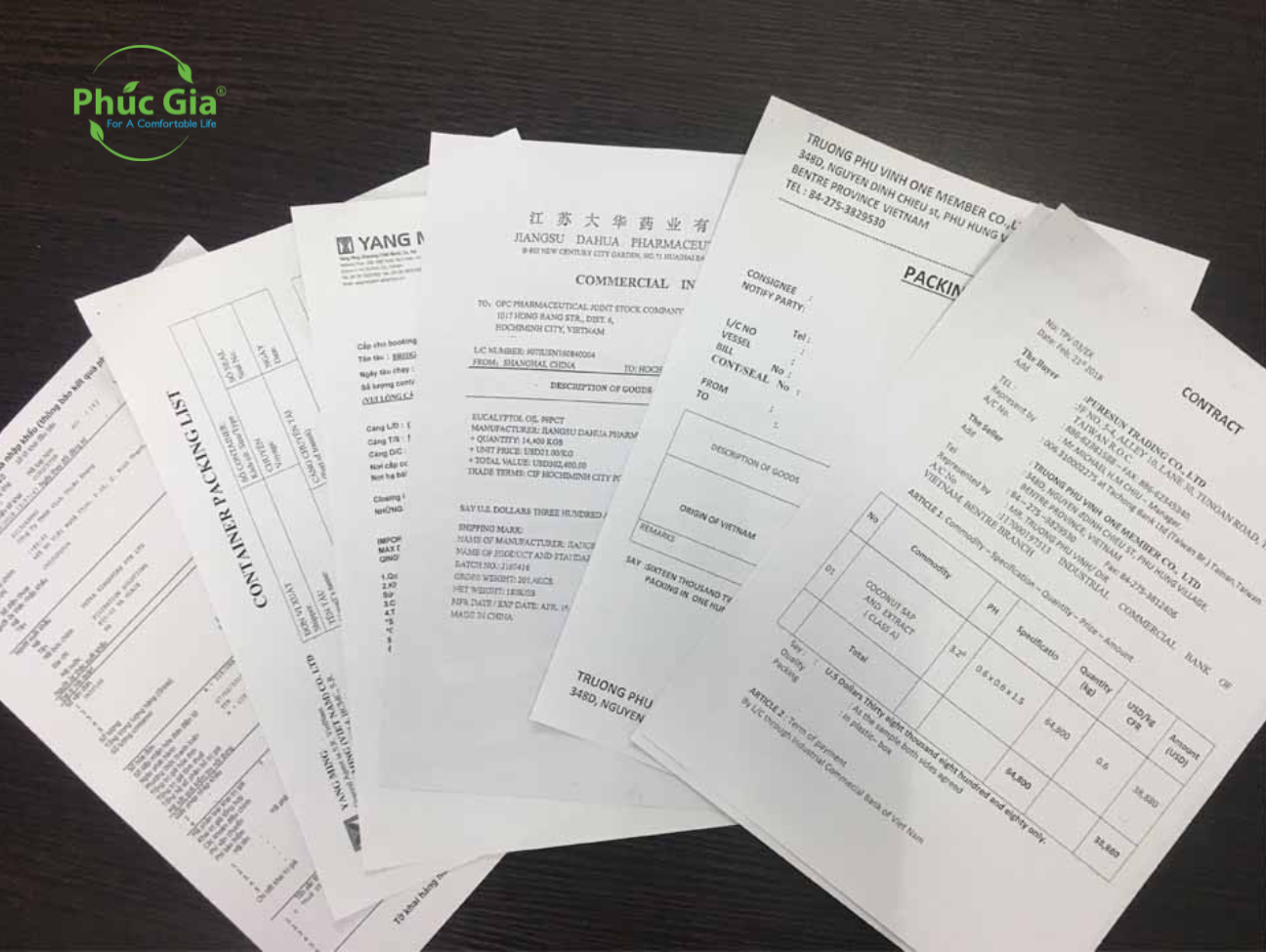
For Electric Cable Import Procedures to take place smoothly, enterprises need to prepare a full set of import dossiers including: commercial documents, transport documents, customs dossiers, and papers for specialized inspection according to the provisions of Circular No. 38/2015/TT-BTC dated March 25, 2015, and Circular No. 39/2018/TT-BTC dated April 20, 2018, of the Ministry of Finance.
For types of electric cables on the list of goods subject to quality inspection and CR conformity stamp affixing before circulation on the market, enterprises will need to prepare additional technical documents, registration for quality inspection, and certificate of conformity for electric cables according to QCVN 4:2009/BKHCN.
A full set of import-export documents and quality inspection dossiers includes the following papers:
| Import/Export Documents | Quality Inspection Dossier |
|
|
5. Electric Cable Import Procedures in Vietnam
Electric Cable Import Procedures consist of 5 steps: Quality inspection registration, Opening the declaration, Testing and certification, Customs clearance of the declaration, and Bringing goods to the warehouse.
Below is a detailed guide on the steps in the Electric Cable Import Procedures, helping enterprises avoid errors and save time during the clearance process:
Step 1: Quality inspection registration
For low-voltage wire and electric cable items (with a rated voltage from 50V to 1000V), enterprises are mandatory to register for State quality inspection on the National Single Window (NSW). This is a legal procedure to confirm that the product complies with technical regulation QCVN 4:2009/BKHCN and Amendment 1:2016 before the goods are cleared and circulated on the market.
Note: Specialized conductors not within the scope of QCVN 4:2009/BKHCN (such as cables for lifts, conductors in specific electronic devices) will not need to perform this quality inspection registration step.
After the system issues the registration number for quality inspection, the enterprise proceeds to transmit the customs declaration and attaches the reception number to the dossier. At the same time, the enterprise needs to contact inspection organizations/testing laboratories designated by the Ministry of Science and Technology to perform the next testing sampling steps.
Step 2: Opening the electric wire import declaration
After completing the preparation of the electric cable import-export dossier including: Commercial Contract, Invoice, Packing List, Bill of Lading along with the quality inspection reception number, the enterprise transmits the declaration on the electronic customs system VNACCS/VCIS.
Note: Accurately identifying the HS code belonging to group 8544 for the product is the key factor to correctly determine tax obligations and ensure the validity of the dossier. To avoid administrative fines due to delays, enterprises need to complete the transmission of the declaration within 30 days from the time the goods arrive at the port/warehouse.
Step 3: Conduct testing and Conformity Certification
To complete the conditions for putting wires and electric cables into legal circulation on the market, enterprises need to perform the following inspection process:
-
Electrical safety testing according to QCVN 4:2009/BKHCN (and Amendment 1:2016): Mandatorily applied to low-voltage wires and electric cables. Products must be sampled for testing at organizations designated by the Ministry of Science and Technology to evaluate technical standards on voltage, insulation strength, and conductive material characteristics.
-
Conformity certification: Based on qualified testing results, enterprises register for electric wire conformity certification at independent certification organizations. This is the legal basis to confirm that the imported shipment fully meets national technical requirements before being put into use.
-
Declaration of conformity according to Circular 28/2012/TT-BKHCN: Enterprises submit the declaration of conformity dossier at the Department of Standards, Metrology and Quality. After completing the procedure, the product must be affixed with a conformity stamp (CR) on the packaging or product label according to the provisions of Decree 74/2018/ND-CP before being distributed to the market.
Step 4: Customs clearance of the declaration
The Customs authority will conduct a detailed inspection of the electric cable import dossier along with the confirmation of state quality inspection registration (on electrical safety according to QCVN 4:2009/BKHCN). If the information on the documents matches the declaration on the system, the enterprise pays import tax and value-added tax (VAT) to complete the clearance procedures for the shipment.
In some cases, enterprises can perform procedures to request bringing goods to the warehouse for preservation to serve the testing sampling work. However, enterprises are mandatory to supplement the qualified conformity certification results to the Customs authority to complete the declaration clearance on time, in order to avoid risks of administrative penalties or procedure enforcement due to expiration.
Step 5: Bringing goods to the warehouse
After completing procedures and being cleared by the customs authority, enterprises can transport the electric cable shipment to the warehouse for storage. The transportation and preservation process needs to comply with technical conditions to ensure product safety and quality.
6. Notes when performing Electric Cable Import Procedures
When conducting the electric cable import dossier, enterprises need to pay attention to the following points to ensure compliance with legal regulations and avoid risks:
-
Labeling goods according to regulations: According to Decree 43/2017/ND-CP issued by the Government on April 14, 2017, imported wires and electric cables must be labeled with full information on origin, provenance, components, and usage instructions, helping to manage and determine the responsibility of the importing unit.
-
Quality inspection and conformity certification: Electric cables belong to the list of group 2 goods managed by the Ministry of Science and Technology, requiring quality inspection and declaration of conformity according to QCVN 4:2009/BKHCN. Non-compliance can lead to confiscation of goods and administrative penalties.
-
Prohibited imported goods: Used electric cables are in the list of prohibited imported goods. If there is a need to import in the form of scrap, enterprises need to apply for an import license according to regulations.
-
Accurately identify the HS code to correctly determine tax, avoid unnecessary fees, and avoid penalties.
-
Prepare full and valid dossiers: Missing or invalid customs dossiers can cause the clearance process to be delayed or goods to be held.
-
Random quality inspection: Customs has the right to inspect the quality of imported shipments at any time. If the product does not meet the standards, it will be returned or destroyed.
-
Not all types of electric wires must undergo imported goods quality inspection.
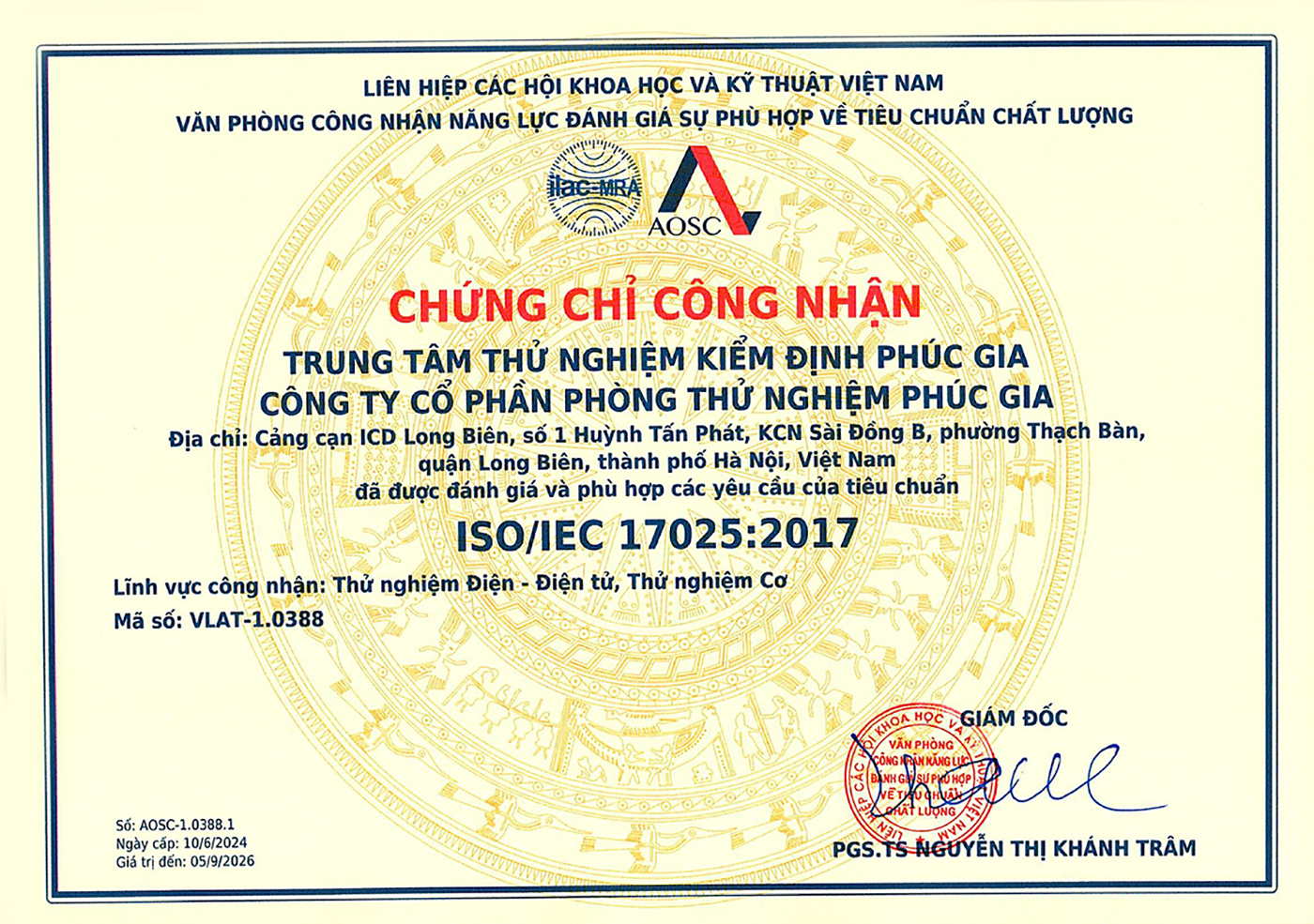
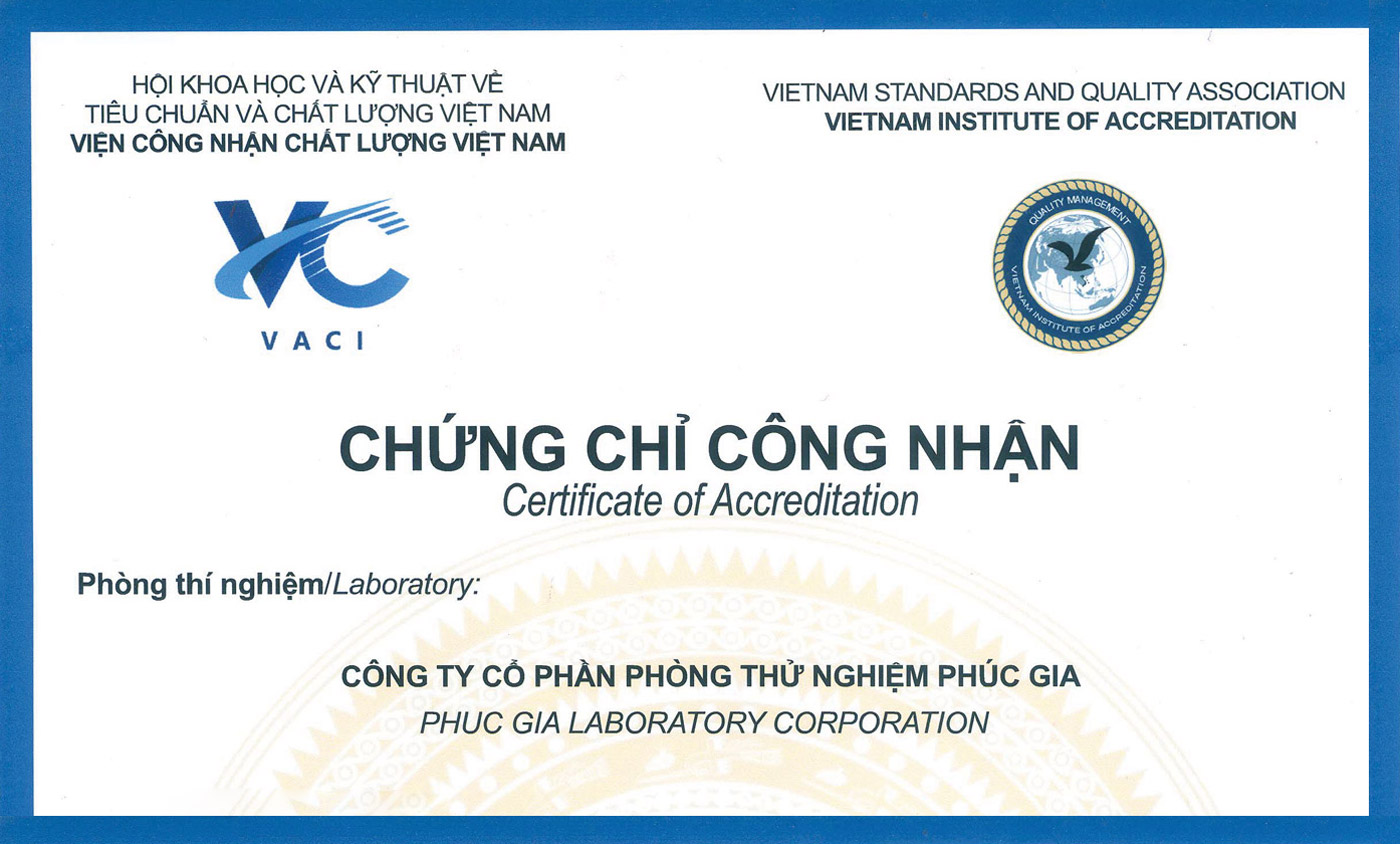
Currently, Phuc Gia Certification Center – Phuc Gia Laboratory Corporation has been designated by the Ministry of Science and Technology to perform testing activities and issue licenses for product and goods certification activities according to QCVN 4:2009/BKHCN (and Amendment 1:2016) applied to electrical conductors with a nominal voltage not exceeding 450/750V.
If you are facing difficulties in Electric Cable Import Procedures, let Phuc Gia accompany you throughout the entire process from consulting on choosing the appropriate certification method, supporting dossier preparation, sending test samples, to working directly with the certification organization to ensure all procedures are performed correctly, quickly, and most economically.
With many years of experience in the field of certification consulting for electric cable import procedures, Phuc Gia is proud to be a trusted partner of hundreds of domestic and foreign enterprises. A team of nearly 100 specialists with professional expertise, professional processes, and a commitment to accompany you until you complete all procedures and bring products to market on schedule. Contact Phuc Gia immediately for prompt support!
For more details, please contact us at:
PHUC GIA LABORATORY CORPORATION
PHUC GIA CERTIFICATION CENTER
PHUC GIA INSPECTION TESTING CENTER
Address:
- Hanoi: ICD Long Bien, No. 01 Huynh Tan Phat, Sai Dong B Industrial Park, Long Bien Ward
- Ho Chi Minh City: No. 180, D2 Street, Long Truong Ward
Hotline: 0965996696 / 0982996696 / 02477796696
E-mail: lab@phucgia.com.vn/cert@phucgia.com.vn/info@phucgia.com.vn
Website: phucgia.com.vn
Working time: Monday to Friday 8:00 – 18:30; Saturday 8:00 – 12:00

![QUOTATION – Testing and Other Certification Services [2026]](https://phucgia.com.vn/wp-content/uploads/2017/03/bao-gia-thu-nghiem-chung-nhan.png)