

Wireless audio devices such as wireless microphones, portable trolley speakers, home karaoke systems, or stage audio equipment have become very popular in Vietnam over many years. These devices operate by transmitting and receiving radio signals within managed frequency bands; therefore, they affect not only audio quality but also directly impact the surrounding frequency environment. Accordingly, testing for wireless audio devices in Vietnam according to QCVN 91:2015/BTTTT is a mandatory requirement to ensure the equipment operates at the correct frequency and power while avoiding harmful interference.
See more: Capacity Profile Of Phuc Gia Laboratory Corporation
I. The situation of using wireless audio devices in Vietnam
In Vietnam, wireless audio devices are widely used in settings ranging from homes, karaoke bars, and small halls to outdoor events. Currently, the market consists of two distinct groups: genuine devices with well-controlled quality and a large volume of low-cost devices circulating extensively in civil use.
During use, many low-quality wireless audio devices reveal issues related to frequency stability and occupied bandwidth. These devices often experience a loss of synchronization between the transmitter and receiver, causing mutual interference or reduced audio quality. Furthermore, signals occupying bandwidth beyond the permitted levels are also the reason why audio systems operating near each other are prone to cross-interference, even when different frequencies have been set.
Devices that are not well-controlled in terms of radio frequency can generate energy outside the operating band, affecting other radio systems in the area. Therefore, testing for wireless audio devices according to QCVN 91:2015/BTTTT is a necessary technical basis for evaluating the compliance of equipment before circulation, contributing to interference reduction, protection of the frequency environment, and enhancement of stability in practical use.

II. Guidance on Testing for Wireless Audio Devices in Vietnam according to QCVN 91:2015/BTTTT
1. Scope of Application
Wireless audio devices operating in the frequency range from 25 MHz to 2000 MHz must meet the technical requirements in QCVN 91:2015/BTTTT when falling under one of the following HS codes:
| Product Name | HS Code | Product Description |
| Wireless Audio Devices (According to Circular No. 29/2025/TT-BKHCN) |
8518.10.11 8518.10.19 8518.10.90 |
Wireless microphones with operating frequency range:
• 40,66 – 40,7 MHz; |
| 8518.21.10 8518.21.90 8518.22.10 8518.22.90 8518.29.20 8518.29.90 |
Wireless speakers with operating frequency range:
• 40,66 – 40,7 MHz; |
|
| 8518.30.10 8518.30.20 |
Wireless headphones with operating frequency range:
• 40,66 – 40,7 MHz; |
|
| 8518.30.51 8518.30.59 8518.30.90 |
Combined wireless microphone/speaker with operating frequency range:
• 40,66 – 40,7 MHz; |
Specifically, QCVN 91:2015/BTTTT applies to the following wireless audio devices with an operating frequency range of 25 MHz to 2,000 MHz:
- Wireless headphones;
- Wireless speakers;
- In-ear monitoring devices using analog modulation with a bandwidth of 300 kHz or FDMA digital modulation with a bandwidth of 300 kHz, 600 kHz, or 1,200 kHz;
- Wireless audio devices for automobiles;
- Personal wireless devices;
- Devices in wideband multi-channel audio systems;
- Band II low-power devices in the frequency range from 87.5 MHz to 108 MHz (Band II for broadcasting services) using analog modulation with a bandwidth not exceeding 200 kHz.
2. Technical Requirements
QCVN 91:2015/BTTTT stipulates the requirements for transmission parameters such as radio frequency, power, frequency, frequency band, spurious emissions, frequency deviation limits, etc., that wireless audio devices in the 25 MHz to 2000 MHz frequency range must satisfy.
(1) Technical requirements for transmitters
The transmitter is the component that radiates directly into the radio environment; therefore, technical requirements focus on controlling frequency, power, and the emission spectrum.
- Frequency error: The carrier frequency must be maintained within the permitted error limits compared to the nominal frequency to avoid frequency drift and interference with adjacent channels.
- Transmitting power: Radiated power must not exceed the levels specified for each frequency band to control coverage and limit interference outside the intended range of use.
- Occupied bandwidth: The transmitted signal must remain within the permitted bandwidth and comply with the spectrum mask, ensuring it does not overlap into adjacent frequency channels.
- Spurious emissions: Unwanted emissions (harmonics, parasitic components) emitted via the antenna or radiated from the enclosure must remain below strictly defined low limits to protect the radio environment.
- Automatic shut-off or emission reduction mechanism: For certain types of devices, when there is no audio signal, the transmitter must automatically stop transmitting or reduce power to a minimum level.
(2) Technical requirements for receivers
Although they do not actively transmit, receivers can still generate unwanted emissions from internal local oscillator circuits. Therefore, QCVN 91:2015/BTTTT stipulates that receivers must control spurious emission levels emitted via the antenna or radiated from the enclosure, ensuring these levels do not exceed the permitted limits for each frequency band.

3. Testing Costs and Duration
Testing costs and lead times for wireless audio devices according to QCVN 91:2015/BTTTT are publicly listed by Phuc Gia®. You can view the testing price list for electrical, electronic, telecommunications, and information technology equipment at Testing – Certification Quotation or contact Phuc Gia® for detailed consultation.
4. Where to conduct Testing for Wireless Audio Devices in Vietnam according to QCVN 91:2015/BTTTT?
4.1. Regulations on Qualified Testing and Certification Units
Based on Article 5 of Consolidated Document No. 02/2020/VBHN-BTTTT – Regulations on certification of conformity and declaration of conformity for specialized information technology and communications products and goods, testing units serving certification and declaration of conformity are regulated as follows:
Testing units serving certification of conformity activities are designated or recognized testing units.
Testing units serving declaration of conformity activities are designated or recognized testing units, or units that have registered testing activities under Decree No. 107/2016/NĐ-CP dated July 1, 2016, of the Government regulating business conditions for conformity assessment services.
Testing units must be responsible before the Competent Authority for the accuracy of testing results. Testing results have no value in replacing the Certificate of Conformity and the Declaration of Conformity.
4.2. Phuc Gia® – A Prestigious Testing Organization for Telecommunications and Information Technology Equipment in Vietnam
Phuc Gia Laboratory Corporation (Phuc Gia®) has been designated by the Ministry of Science and Technology to perform testing for telecommunications and information technology equipment according to 24 Vietnam Technical Regulations for many important groups of equipment in the field of telecommunications and information technology. This serves the quality management of products and goods potentially causing unsafety under the Ministry’s management responsibility according to Decision No. 2899/QĐ-BKHCN and Decision No. 228/QĐ-BTTTT. Accordingly, Phuc Gia® is designated to conduct Testing for Wireless Audio Devices in Vietnam according to QCVN 91:2015/BTTTT.
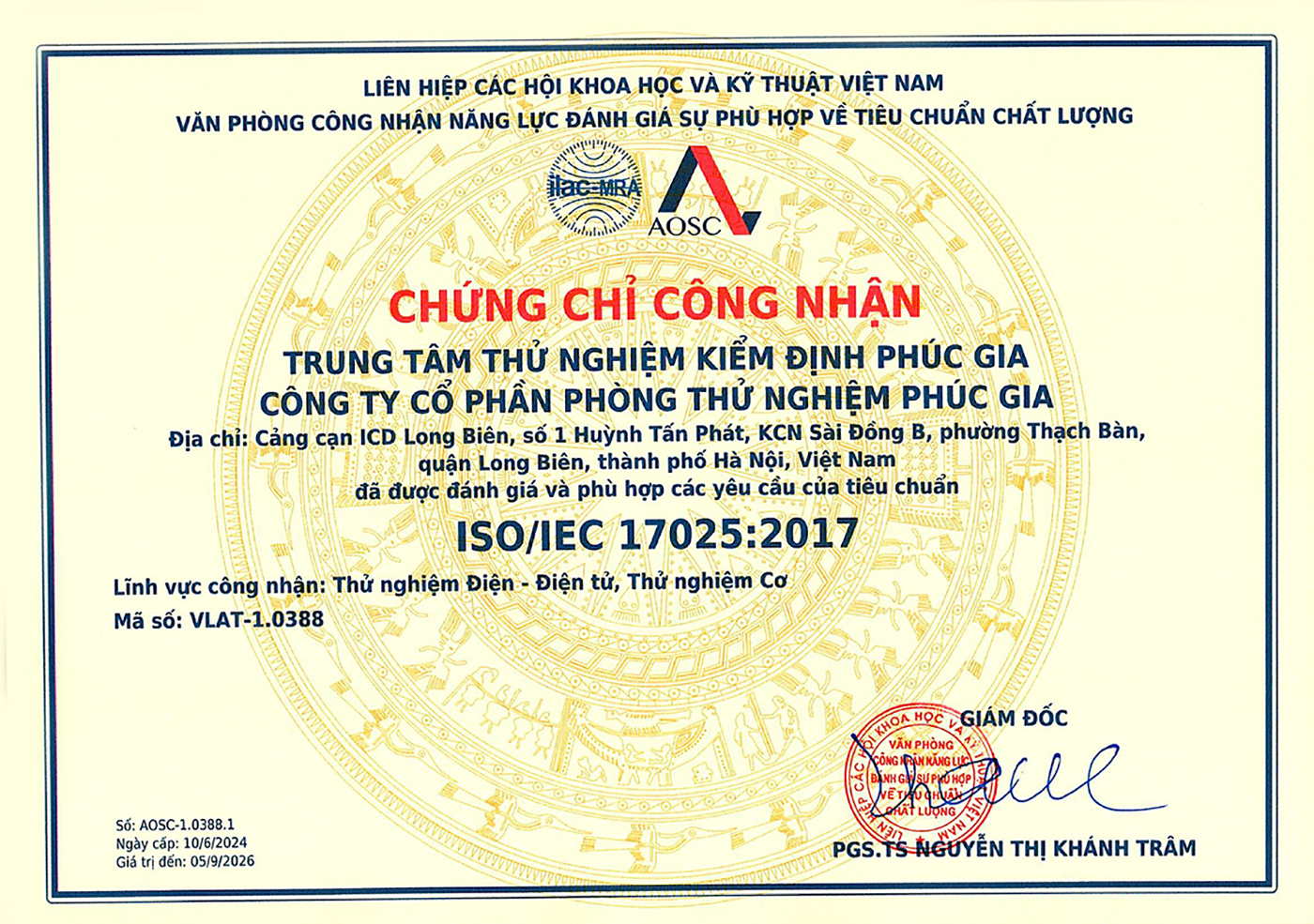
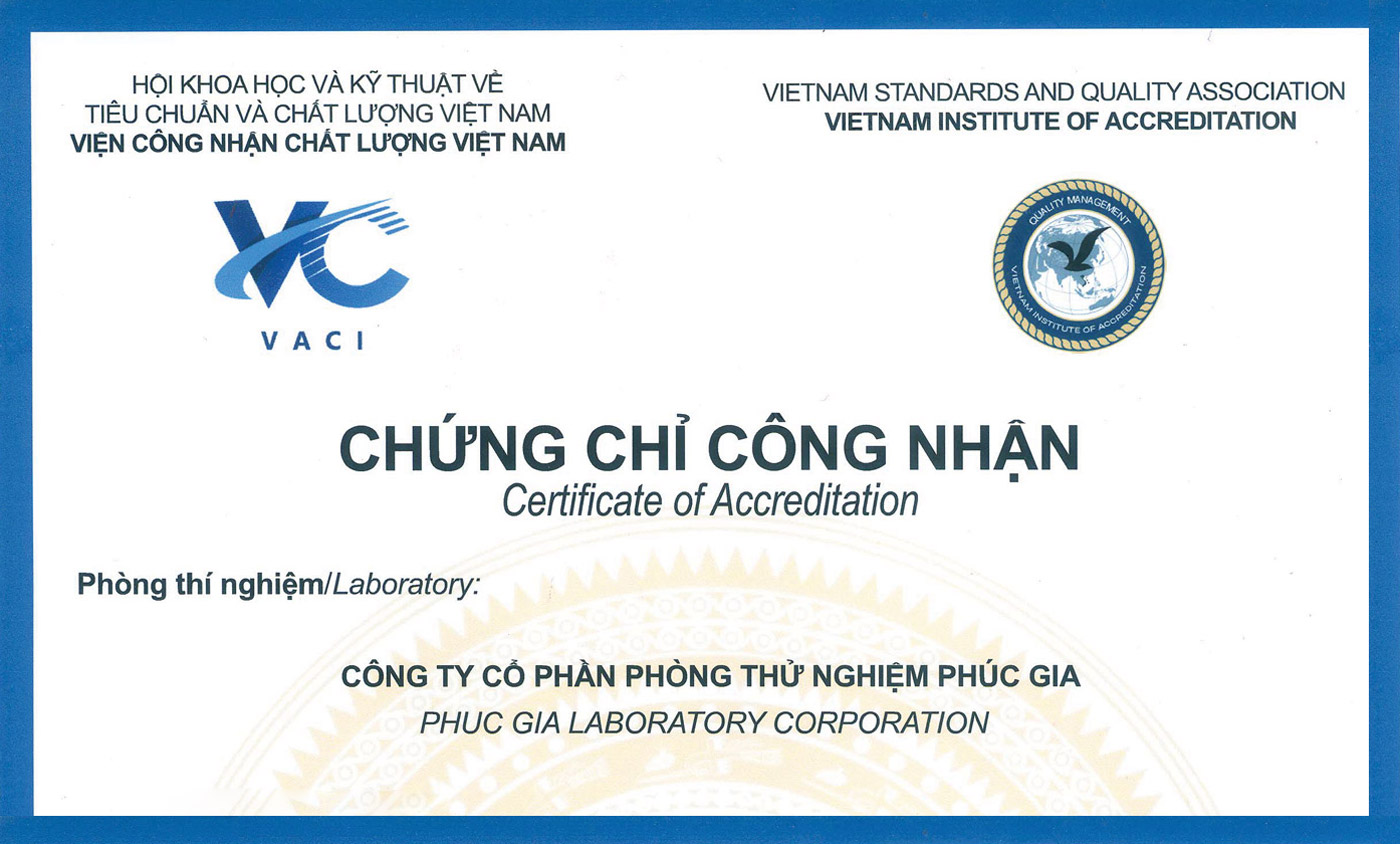
Phuc Gia® is also the first unit to be accredited by all three accreditation bodies (BoA, AOSC, VACI) as meeting the ISO/IEC 17025:2017 standard. The testing facility has a scale of up to 5,000 m², equipped with a synchronized system of modern measurement and inspection equipment, serving tests for electrical safety, EMC, energy efficiency, RF, SAR, and many other technical items.
In addition, there is a team of nearly 100 officers, engineers, and technical experts who are selected and intensively trained to meet the strict requirements of testing, certification, and conformity assessment activities across various technical fields.


RELATED POSTS
- Guidance on Testing for Radio Communication Equipment According to QCVN 18:2022/BTTTT
- Guidance on Testing for Broadband Data Transmission Equipment According to QCVN 54:2020/BTTTT
- Guidance on Testing for Mobile Communication Terminal Equipment According to QCVN 86:2019/BTTTT
For more details, please contact us at:
PHUC GIA LABORATORY CORPORATION
PHUC GIA CERTIFICATION CENTER
PHUC GIA INSPECTION TESTING CENTER
Address:
- Hanoi: ICD Long Bien, No. 01 Huynh Tan Phat, Sai Dong B Industrial Park, Long Bien Ward
- Ho Chi Minh City: No. 180, D2 Street, Long Truong Ward
Hotline: 0965996696 / 0982996696 / 02477796696
E-mail: lab@phucgia.com.vn/cert@phucgia.com.vn/info@phucgia.com.vn
Website: phucgia.com.vn
Working time: Monday to Friday 8:00 – 18:30; Saturday 8:00 – 12:00

![QUOTATION – Testing and Other Certification Services [2026]](https://phucgia.com.vn/wp-content/uploads/2017/03/bao-gia-thu-nghiem-chung-nhan.png)