

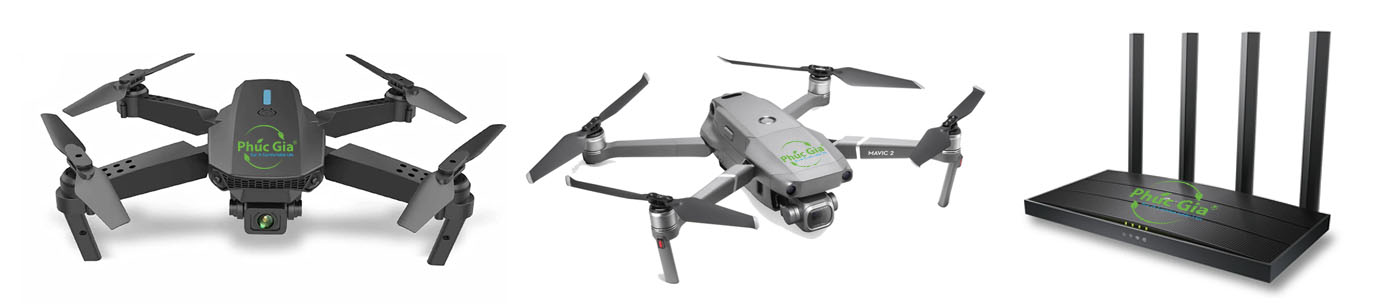
Broadband data transmission radio equipment is being used increasingly commonly in Vietnam. These devices operate on shared frequency bands with high deployment density, posing a potential risk of mutual interference if technical controls are not strictly maintained. EMC Testing for Broadband Data Transmission Radio Equipment in Vietnam according to QCVN 112:2017/BTTTT is an important requirement to ensure that equipment operates stably and is compatible with the radio environment in Vietnam.
See more: Capacity Profile Of Phuc Gia Laboratory Corporation
I. Status of broadband data transmission radio equipment usage in Vietnam
In Vietnam, broadband data transmission radio infrastructure is growing strongly in both the number of devices and the scale of deployment. From home access networks to systems serving urban areas and industrial parks, these devices have become the primary method of data connection, gradually replacing traditional wired connections at the final access layer. Along with that, bandwidth demand is constantly increasing to meet big data applications such as high-resolution video, remote learning, and remote working.
However, operating mainly on shared frequency bands such as 2.4 GHz, 5 GHz, and extending to 60 GHz is creating great pressure on the electromagnetic environment. The high density of devices, especially in urban areas, leads to mutual interference and degradation of service quality. Given the increasing complexity of the radio environment, state management is being tightened, requiring circulating devices to simultaneously meet regulations on radio emissions and electromagnetic compatibility.
Accordingly, EMC Testing for Broadband Data Transmission Radio Equipment in Vietnam according to QCVN 112:2017/BTTTT is not only a requirement for businesses to responsibly comply with regulations but has become a condition to ensure that devices can stably coexist in the radio space.
II. Instructions for Electromagnetic Compatibility Testing according to QCVN 112:2017/BTTTT for Broadband Data Transmission Radio Equipment
1. Scope of Application
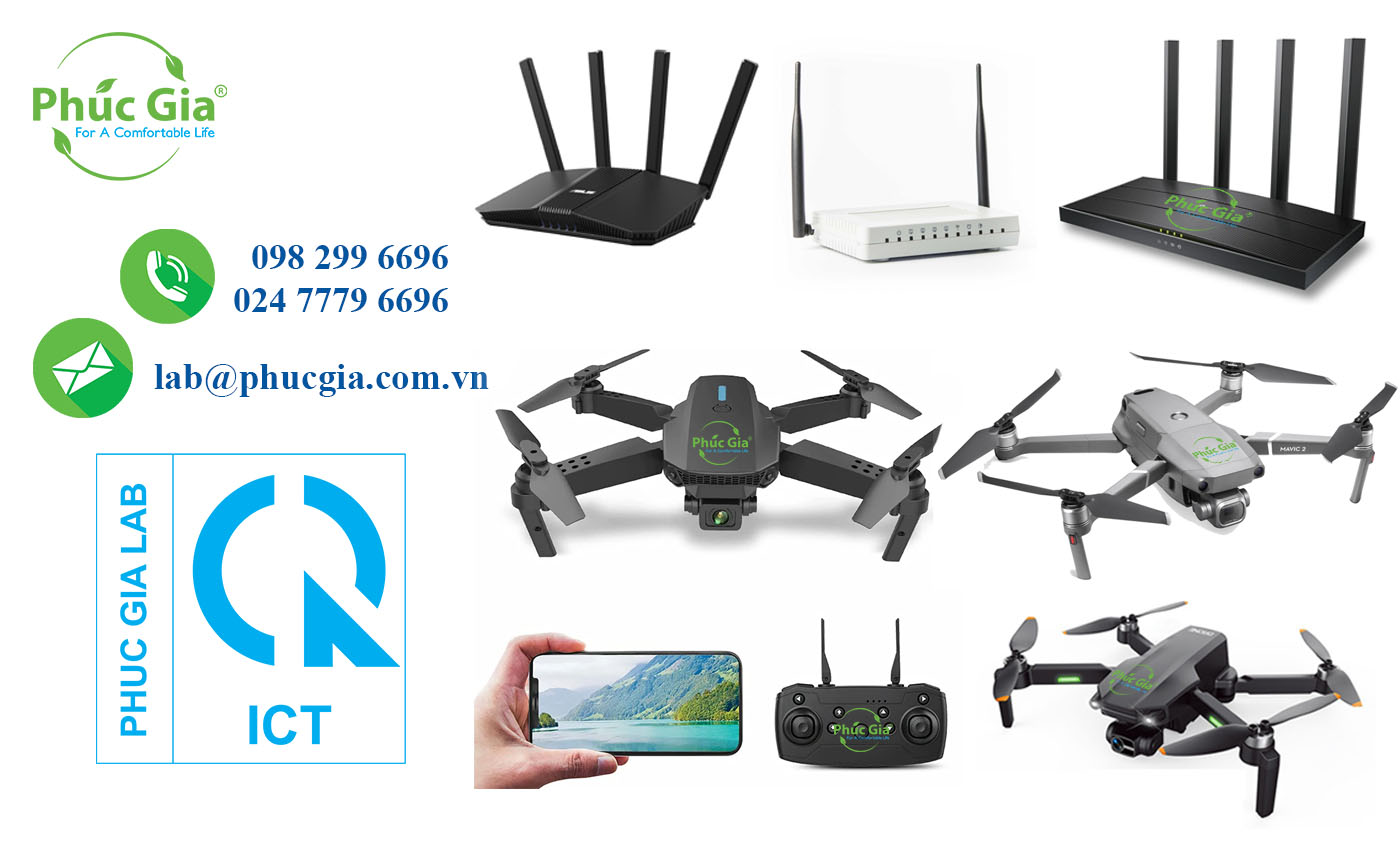
QCVN 112:2017/BTTTT applies to broadband data transmission radio equipment such as:
- Radio communication equipment using spread spectrum modulation techniques in the 2.4 GHz band;
- Radio access equipment operating in the frequency ranges of 5,150 MHz to 5,350 MHz, 5,470 MHz to 5,725 MHz, and 5,725 MHz to 5,850 MHz;
- High-speed radio access equipment in the 57 GHz to 66 GHz frequency band; and
- Broadband Wireless Access (BWA)/WiMAX system equipment in both TDD and FDD modes.
At the same time, Circular No. 29/2025/TT-BKHCN also stipulates that broadband data transmission radio equipment must meet the technical requirements in QCVN 112:2017/BTTTT when belonging to one of the following HS codes:
| ORD | Product Name | HS Code | Product Description |
| 1 |
Broadband data transmission equipment operating in the 2.4 GHz band with an equivalent isotropically radiated power (EIRP) from 60 mW to 200 mW |
8517.62.51 | Wi-Fi transceiver equipment (Wi-Fi Modem, Wi-Fi router) used in wireless local area networks in the 2.4 GHz band (frequency band from 2400 MHz to 2483.5 MHz), with an equivalent isotropically radiated power (EIRP) from 60 mW to 200 mW |
| 8806.21.00 8806.22.00 8806.23.00 8806.24.00 8806.29.00 |
Flycam (television camera, digital camera and video camera mounted on flying devices) using remote control technology, transmitting images by radio waves with spread spectrum modulation in the 2.4 GHz band (frequency band from 2400 MHz to 2483.5 MHz), with an equivalent isotropically radiated power (EIRP) from 60 mW to 200 mW.
UAV/Drone (remotely controlled flying vehicle, capable of integrating television camera, digital camera and video camera devices) using remote control technology, transmitting images by radio waves with spread spectrum modulation in the 2.4 GHz band (frequency band from 2400 MHz to 2483.5 MHz), with an equivalent isotropically radiated power (EIRP) from 60 mW to 200 mW. |
||
| 2 | 5 GHz band radio access equipment with an equivalent isotropically radiated power (EIRP) of 60 mW or more | 8517.62.51 | Wi-Fi transceiver equipment (Wi-Fi Modem, Wi-Fi router) used in wireless local area networks in the 5 GHz band (frequency band including 3 sub-bands: 5150 MHz to 5350 MHz, 5470 MHz to 5725 MHz and 5725 MHz to 5850 MHz), with an equivalent isotropically radiated power (EIRP) of 60 mW or more. |
| 8806.21.00 8806.22.00 8806.23.00 8806.24.00 8806.29.00 |
Flycam (television camera, digital camera and video camera mounted on flying devices) using remote control technology, transmitting images by radio waves with spread spectrum modulation in the 5 GHz band (frequency band including 3 sub-bands: 5150 MHz to 5350 MHz, 5470 MHz to 5725 MHz and 5725 MHz to 5850 MHz) and with an equivalent isotropically radiated power (EIRP) from 60 mW to 200 mW. | ||
| 8806.21.00 8806.22.00 8806.23.00 8806.24.00 8806.29.00 |
UAV/Drone (remotely controlled flying vehicle, capable of integrating television camera, digital camera and video camera devices) using remote control technology, transmitting images by radio waves with spread spectrum modulation in the 5 GHz band (frequency band including 3 sub-bands: 5150 MHz to 5350 MHz, 5470 MHz to 5725 MHz and 5725 MHz to 5850 MHz) and with an equivalent isotropically radiated power (EIRP) from 60 mW to 200 mW. | ||
| 3 | 60 GHz band high-speed radio access equipment | 8517.62.51 | High-speed radio access equipment, up to Gigabit speeds, used for applications in wireless local area networks WLAN or short-range wireless personal area networks WPAN operating in the 60 GHz band (not applicable to radio equipment used for outdoor fixed LAN extension applications or fixed point-to-point radio transmission applications operating in the 60 GHz band). |
Note: This Regulation does not specify technical criteria related to the antenna port and emission criteria related to the enclosure port of the equipment.
2. Technical Requirements
QCVN 112:2017/BTTTT specifies general requirements for electromagnetic compatibility (EMC) for broadband data transmission radio equipment within the scope of application mentioned above. Specifically, the above equipment must meet technical requirements for EMC emission and EMC immunity according to this regulation.
(1) EMC Emission:
Apply Table 1 of QCVN 18:2022/BTTTT for EMC emission testing on the ports of the equipment.
|
Phenomenon |
Port | Applicability | Reference in this Regulation | ||
| Fixed use | Use on transport vehicles | Handheld use | |||
| Radiated emission |
Enclosure port of ancillary equipment
|
Applicable | Applicable | Applicable |
2.1.3. Emission from enclosure port
|
| Conducted emission |
DC power input/output port
|
Applicable | Applicable | Not Applicable |
2.1.4. Emission from DC power input/output ports
|
| Conducted emission |
AC power input port
|
Applicable | Not Applicable | Not Applicable |
2.1.5. Emission from AC power input/output ports
|
| Harmonic current emission |
AC power input port
|
Applicable | Not Applicable | Not Applicable |
2.1.6. Harmonic current emission (AC mains power input port)
|
| Voltage fluctuations and flicker |
AC power input port
|
Applicable | Not Applicable | Not Applicable |
2.1.7. Voltage fluctuations and flicker (AC mains power input port)
|
| Conducted emission |
Wired network port
|
Applicable | Not Applicable | Not Applicable |
2.1.8. Emission from wired network port
|
(2) Immunity:
Apply Table 4 of QCVN 18:2022/BTTTT for immunity testing of the relevant ports of the equipment.
|
Phenomenon |
Port | Applicability | Reference in this Regulation | ||
| Fixed use | Use on transport vehicles | Handheld use | |||
|
RF electromagnetic field (from 80 MHz to 6,000 MHz)
|
Enclosure port | Applicable | Applicable | Applicable |
2.2.3. Immunity to radio frequency electromagnetic fields (80 MHz to 6,000 MHz)
|
|
Electrostatic discharge
|
Enclosure | Applicable | Not Applicable | Applicable |
2.2.4. Immunity to electrostatic discharge
|
|
Fast transients, common mode
|
Signal, wired network ports, control ports, DC and AC power ports
|
Applicable | Not Applicable | Not Applicable |
2.2.5. Immunity to fast transients, common mode
|
|
RF, Common mode from 0.15 MHz to 80 MHz
|
Signal, wired network ports, control ports, DC and AC power ports
|
Applicable | Not Applicable | Not Applicable |
2.2.6. Immunity to radio frequencies, common mode
|
|
Transients and surges on transport vehicles
|
DC power input port
|
Not Applicable | Applicable | Not Applicable |
2.2.7. Immunity to transients and surges in transport vehicle environments
|
|
Voltage dips and interruptions
|
AC power input port
|
Applicable | Not Applicable | Not Applicable |
2.2.8. Immunity to voltage dips and interruptions
|
|
Surge line-to-line, line-to-earth
|
AC mains power input port, wired network port
|
Applicable | Not Applicable | Not Applicable |
2.2.9. Immunity to surges
|
(3) Quality Criteria:
| Criteria | During the Test | After the Test |
|
Criterion A applies to immunity tests for continuous phenomena
|
|
|
|
Criterion B applies to immunity tests for transient phenomena
|
|
|
|
Criterion C applies to immunity tests for cases of sudden power loss exceeding the permitted time
|
|
|
| (1) Degradation of quality during the test is understood as a level of degradation not lower than the minimum quality level specified by the manufacturer to ensure the equipment operates as intended. In some cases, the minimum quality level can be replaced by an acceptable level of degradation.
If the manufacturer does not specify the minimum quality level or the acceptable level of degradation, then these quality levels can either be found from the product description documentation or documentation accompanying the equipment (including leaflets and advertisements) and the level that the user expects when using the equipment as prescribed. (2) No degradation of quality after the test is understood as a level of quality degradation not lower than the minimum level specified by the manufacturer to ensure the equipment operates as intended. In some cases, the known minimum quality level can be replaced by an acceptable level of degradation. After the test, there is no change in actual operating data. If the manufacturer does not specify the minimum quality level or the acceptable level of degradation, then these quality levels can either be found from the product description documentation or documentation accompanying the equipment (including leaflets and advertisements) and the level that the user expects when using the equipment as prescribed. |
||
Note: This Regulation specifies the applicability of EMC tests, testing methods, limits, performance criteria, and the method for evaluating testing results for broadband data transmission radio equipment.
3. Testing Costs and Time
Testing costs and time for electromagnetic compatibility according to QCVN 112:2017/BTTTT for broadband data transmission radio equipment are publicly listed by Phúc Gia®. You can view the testing quotation for electrical – electronic telecommunications and information technology equipment at the Testing – Certification Quotation or contact Phúc Gia® for detailed advice.
4. Where to conduct EMC testing for broadband data transmission radio equipment in Vietnam according to QCVN 112:2017/BTTTT?
4.1. Regulations on qualified testing and certification units
Based on Article 5 of Consolidated Document 02/2020/VBHN-BTTTT – Regulations on certification of conformity and declaration of conformity for specialized information technology and communications products and goods, the testing units serving certification and declaration of conformity are regulated as follows:
The testing unit serving conformity certification activities is a designated or recognized testing unit.
The testing unit serving conformity declaration activities is a designated or recognized testing unit or a unit that has registered testing activities according to Decree No. 107/2016/NĐ-CP dated July 1, 2016, of the Government regulating business conditions for conformity assessment services.
Testing units must be responsible before the Competent Authority for the accuracy of testing results. Testing results do not have the value of replacing the Certificate of Conformity and the Declaration of Conformity.
4.2. Phuc Gia® – A prestigious organization for testing telecommunications and information technology equipment in Vietnam
Phuc Gia Laboratory Corporation (Phuc Gia®) is designated by the Ministry of Science and Technology to test telecommunications and information technology equipment according to 24 Vietnam Technical Regulations for many important groups of equipment in the field of telecommunications and information technology. This serves the quality management of products and goods with the potential to cause unsafety under the Ministry’s management responsibility according to Decision No. 2899/QD-BKHCN and Decision No. 228/QD-BTTTT.
Accordingly, Phuc Gia® is designated to perform electromagnetic compatibility testing activities according to QCVN 112:2017/BTTTT for broadband data transmission radio equipment.
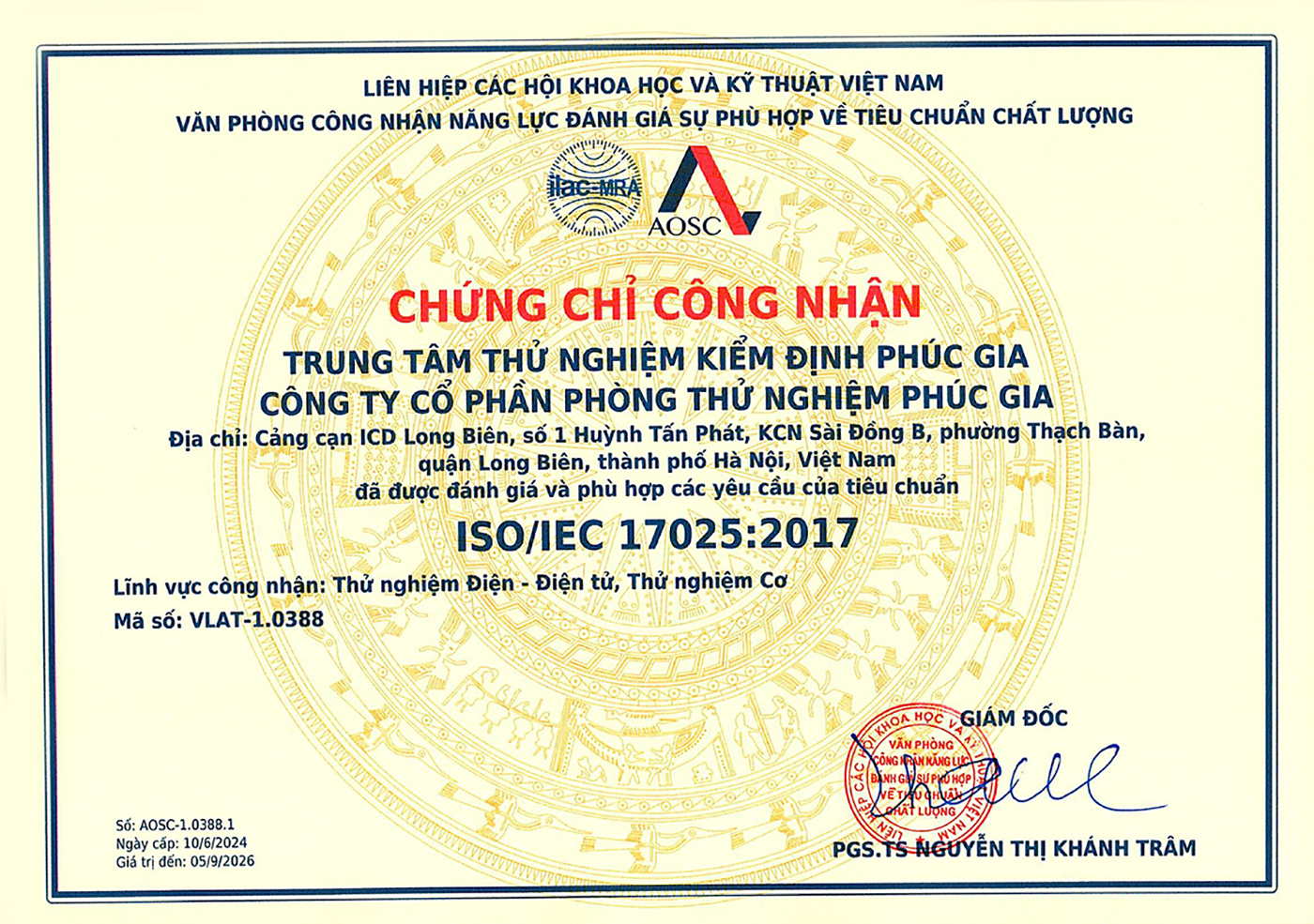
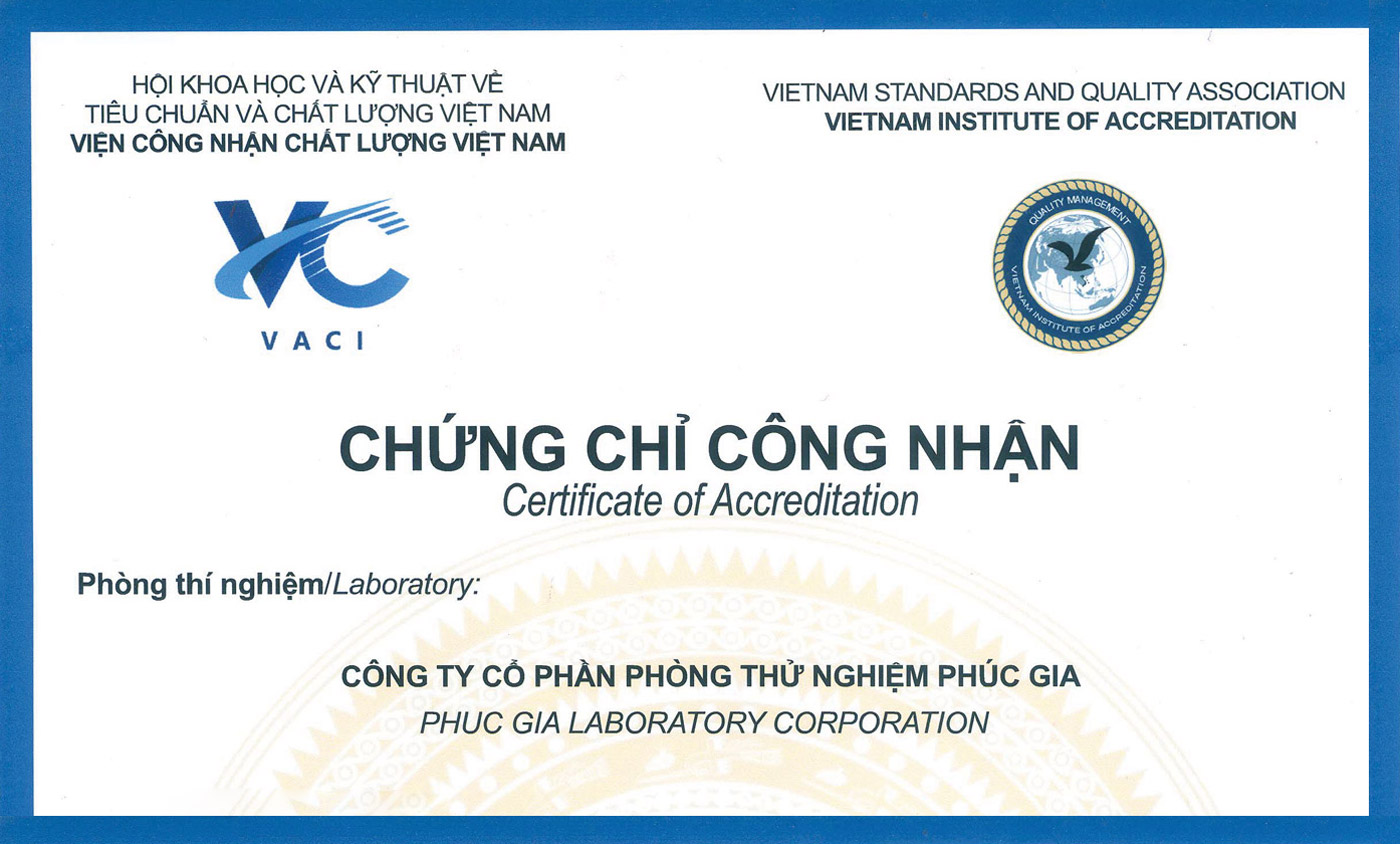
Phuc Gia® is also the first unit to be accredited by all three accreditation bodies (BoA, AOSC, VACI) as meeting the ISO/IEC 17025:2017 standard. The testing facility has a scale of up to 5,000 m², equipped with a synchronous system of modern measurement and verification equipment, serving testing for electrical safety, EMC, energy efficiency, RF, SAR, and many other technical items.
Along with that is a team of nearly 100 staff, engineers, and technical experts who are selected and intensively trained, meeting the strict requirements of testing, certification, and conformity assessment activities in many technical fields.


RELATED POSTS
- Guidance on Testing for Radio Communication Equipment according to QCVN 18:2022/BTTTT
- Guidance on Testing for Broadband Data Transmission Equipment according to QCVN 54:2020/BTTTT
- Guidance on Testing for Mobile Communication Terminal Equipment according to QCVN 86:2019/BTTTT
For more details, please contact us at:
PHUC GIA LABORATORY CORPORATION
PHUC GIA CERTIFICATION CENTER
PHUC GIA INSPECTION TESTING CENTER
Address:
- Hanoi: ICD Long Bien, No. 01 Huynh Tan Phat, Sai Dong B Industrial Park, Long Bien Ward
- Ho Chi Minh City: No. 180, D2 Street, Long Truong Ward
Hotline: 0965996696 / 0982996696 / 02477796696
E-mail: lab@phucgia.com.vn/cert@phucgia.com.vn/info@phucgia.com.vn
Website: phucgia.com.vn
Working time: Monday to Friday 8:00 – 18:30; Saturday 8:00 – 12:00

![QUOTATION – Testing and Other Certification Services [2026]](https://phucgia.com.vn/wp-content/uploads/2017/03/bao-gia-thu-nghiem-chung-nhan.png)